
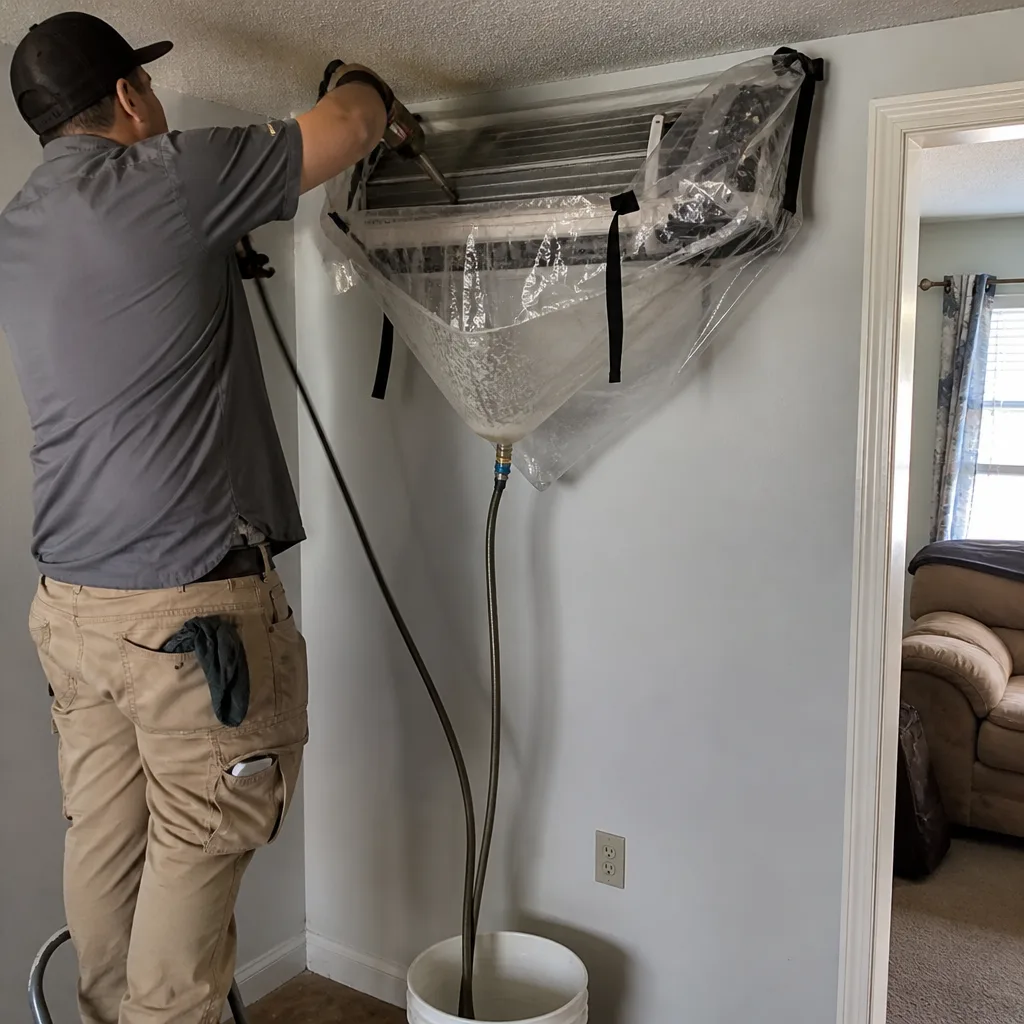
Last updated November 22, 2026
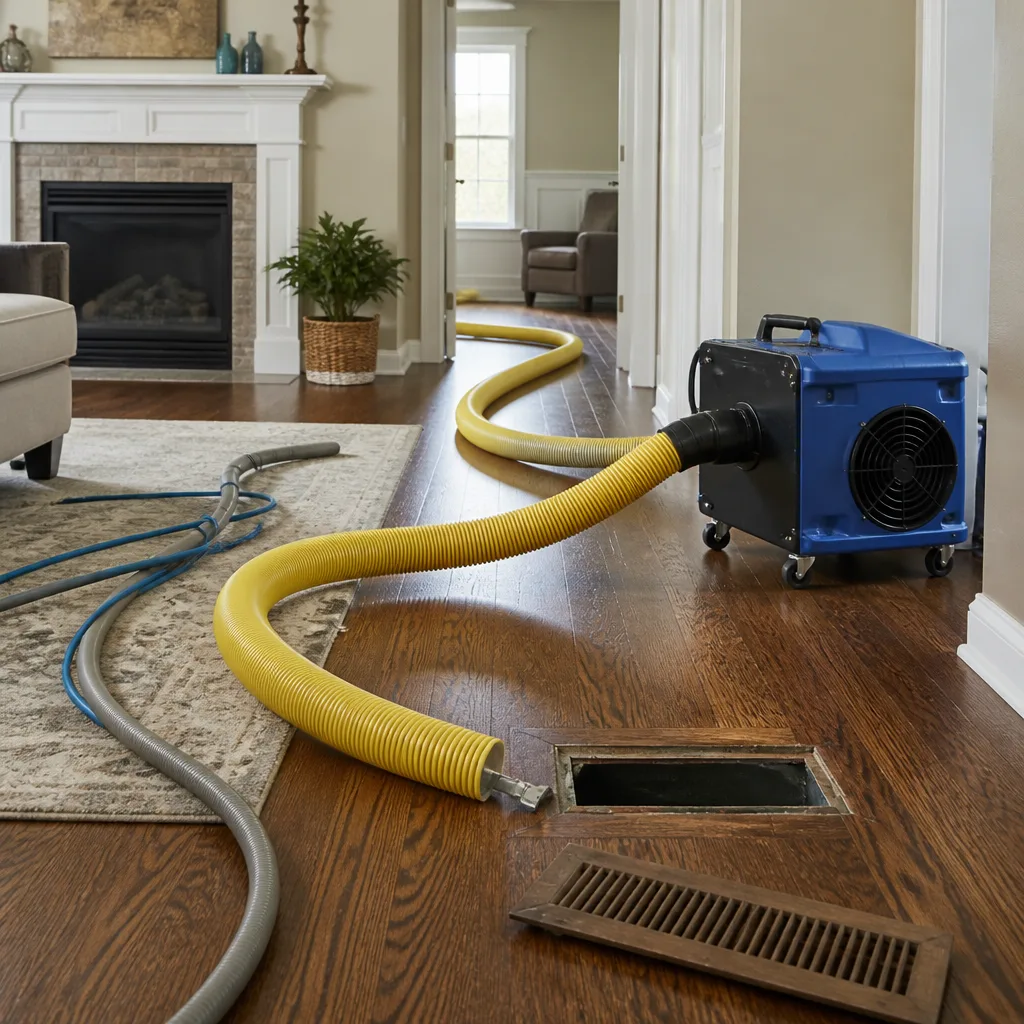 Whole-home duct cleaning
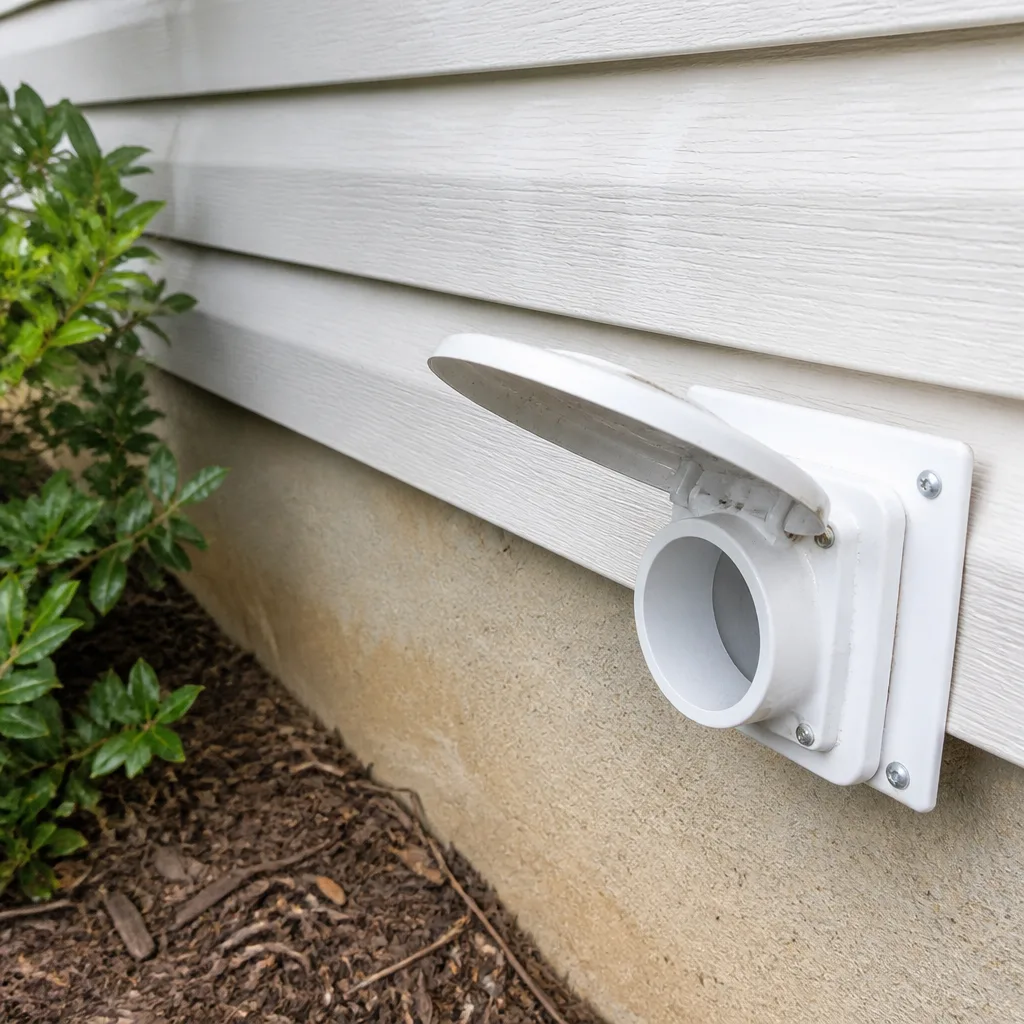 Dryer vent cleaning
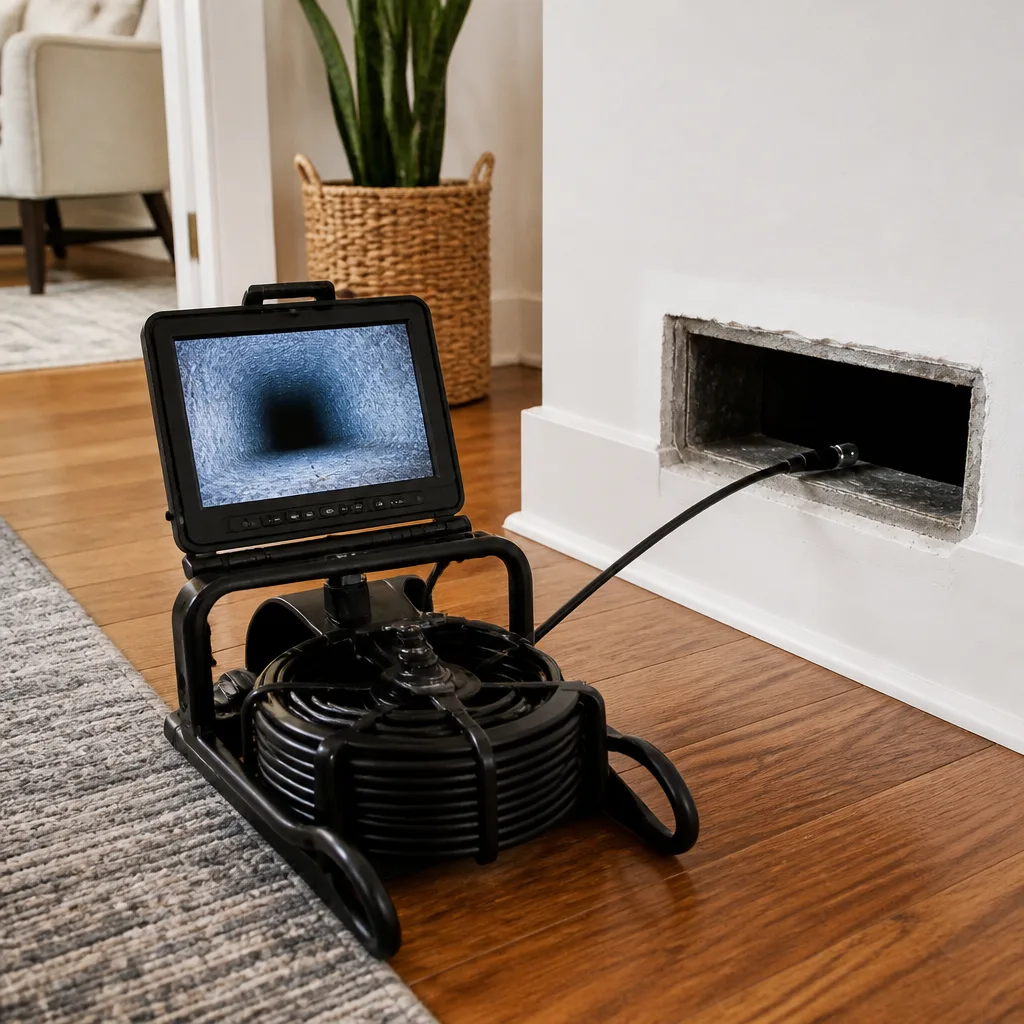 Camera inspection
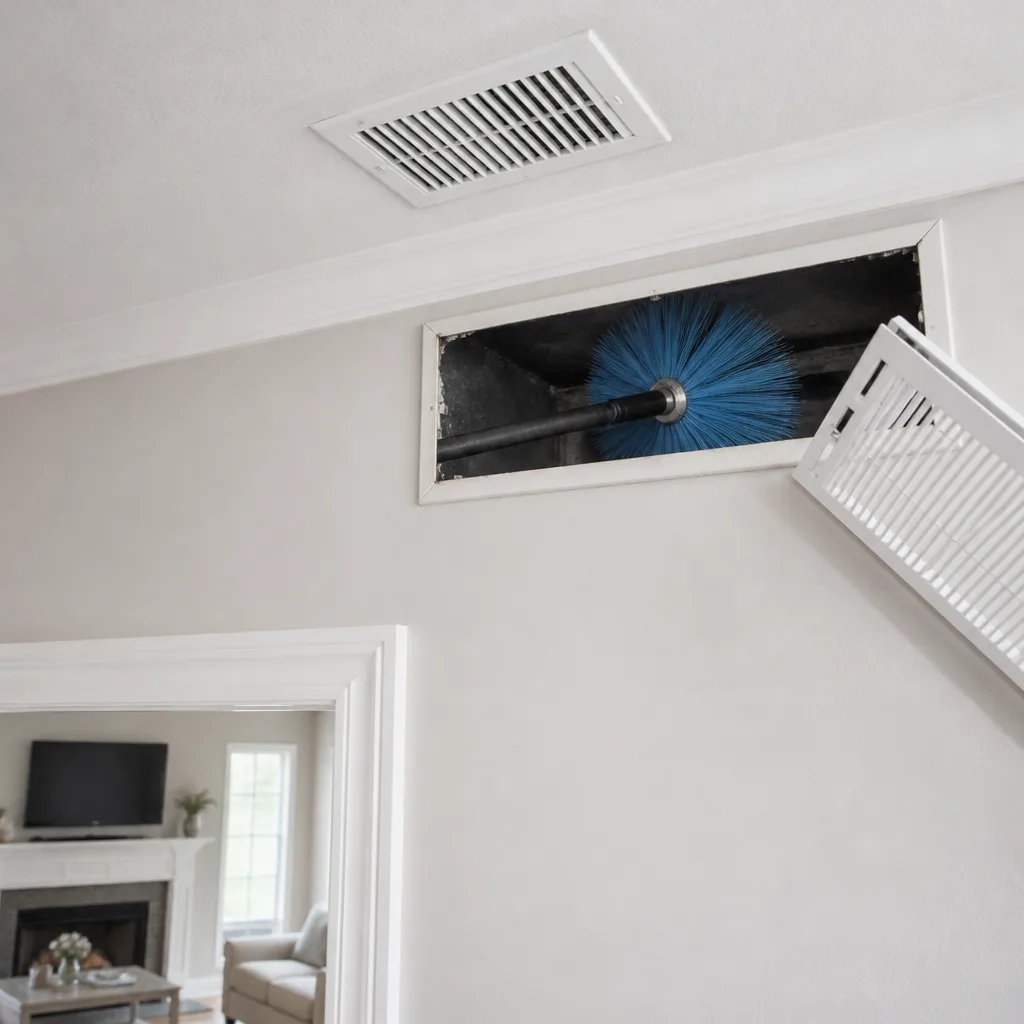 Sanitizing & deodorizing
Whole-system duct and dryer vent check with before-and-after photos - you see exactly what came out of your vents
That "$99 whole-house special" is a bait ad - the real number appears once they are in your hallway, or the "clean" is a shop-vac at the register. We photograph the inside of your ducts before and after instead.
Air Duct Cleaning Cost Breakdown: The Bellevue Homeowner’s Reference for 2026
A per-vent price sounds fair until you do the math. Take a standard Bellevue home with about 20 supply vents and 6 return vents. At $35 per vent, that’s $910, and that’s before anyone mentions the return plenum, the main trunk lines, or the air handler cavity, because none of those count as “vents” in the quote. The per-vent model isn’t a pricing method so much as a starting point for negotiation. This guide breaks down what duct cleaning actually costs in Bellevue in 2026, what’s usually included versus quietly left out, and how to tell a $400 job from an $800 job by what happens on site.
Quick Answer
Air duct cleaning for a typical Bellevue home in 2026 runs roughly $450 to $1,200 for a whole-system mechanical cleaning, with most single-family homes landing between $600 and $900 once trunk lines, return air boxes, and the air handler cavity are included. Per-vent pricing, usually $30 to $45 per vent, often ends up in the same range or higher because it excludes the parts of the system that matter most. Add sanitizing, duct sealing, or HVAC coil cleaning and the total climbs from there, always set by a written estimate before work starts.
Styles & brands we work with
- Whole-home duct cleaning
- Dryer vent cleaning
- Camera inspection
- Sanitizing & deodorizing
Table of Contents
- The Three Pricing Models in the Bellevue Market
- What’s Actually Included vs. What’s Commonly Excluded
- 2026 Cost Ranges by Home Size and Duct Type
- Legitimate Add-Ons vs. Upsells of Marginal Value
- The Cost-Per-Outcome Framework: $400 vs. $800
- How a Proper Duct Cleaning Job Actually Goes
- How to Read a Duct Cleaning Estimate
The Quiet Fact About Bellevue Duct Pricing
Duct cleaning pricing in Bellevue is deliberately opaque, and the fog isn’t an accident. When two quotes for the same house differ by hundreds of dollars, the difference is almost never the price of labor. It’s the scope of the work. One contractor is pricing the visible vents. The other is pricing the whole system: the main trunk, the return plenum, the air handler cavity, the coil face, and the access holes that need cutting and patching. Those are two completely different jobs.
Bellevue’s housing adds a wrinkle. Much of the housing stock dates from the 1970s through the 1990s, and a good share of it runs on flexible duct or fiberglass duct board rather than rigid metal. Flex duct and duct board require a gentler touch than metal, and duct board in particular often needs repair work once it’s opened up. That’s not a reason to skip the job. It’s a reason to make sure the estimate includes the parts of the system the per-vent model leaves out. In this guide we’ll walk through the three pricing models you’ll encounter locally, realistic 2026 cost ranges by home size and duct type, which add-ons are legitimate line items and which are upsells, and how to read a quote so you know what happens after the technician arrives. If you’re starting from scratch on what the service even involves, our Air Duct Cleaning Bellevue page covers the basics.
Key Takeaways
- A per-vent price of $30 to $45 per vent often totals $800 to $1,200 once you count supply and return vents, yet still excludes trunk lines and the air handler cavity.
- Whole-system flat-rate pricing for a Bellevue single-family home typically runs $450 to $1,200 in 2026, with most falling in the $600 to $900 band.
- The lowest advertised coupon price usually becomes the highest final invoice, because the low figure is a door-opener and the real scope is sold on site.
- Sanitizing, coil treatment, and duct sealing are legitimate line items with real function. UV lights and antimicrobial sprays deserve more skepticism.
- The right question isn’t “how much is duct cleaning” but “what exactly is being cleaned, with what equipment, and how will I know it happened.”
The Three Pricing Models in the Bellevue Market
Bellevue duct cleaning quotes come in three flavors, and each one nudges the contractor toward a different behavior. Understanding which model you’re being quoted tells you a lot about what will and won’t happen on the day.
1. Per-vent pricing. The quote is built on vent count. On paper it’s simple, and it sounds transparent. In practice it incentivizes the contractor to clean only the vent openings, because cleaning the trunk lines and plenum isn’t part of the count. The visible vents are the least dirty part of most systems anyway. A per-vent job can look clean and still leave the actual air path untouched.
2. Flat-rate whole-system pricing. One number for the entire system: all supply and return vents, the main trunks, the return plenum, and the air handler cavity. This model removes the incentive to skip the hard-to-reach portions, because there’s no per-vent meter running. The trade-off is that the flat number has to be honest about scope up front, which is why a written estimate and before-and-after photos matter.
3. Hybrid pricing. A base flat rate for the standard system, plus per-item pricing for add-ons like sanitizing, coil cleaning, or duct sealing discovered during the job. Hybrid is common, and it’s fine as long as the add-ons are quoted item by item in the estimate rather than introduced casually mid-visit.
If you’re considering air duct cleaning in Bellevue, ask the contractor which model they use before the appointment. The answer tells you what they’re being paid to prioritize.
What’s Actually Included vs. What’s Commonly Excluded
The line between what’s in the quote and what isn’t is where duct cleaning pricing gets slippery. A “complete duct cleaning” can mean very different things depending on who’s selling it. Here’s the breakdown of what should be included in a whole-system job and what frequently isn’t.
Typically included in a proper whole-system cleaning:
- All supply vents and return grilles, cleaned with a mechanical brush or compressed-air whip.
- Source removal at the air handler using negative-air containment, so dislodged debris leaves the system rather than entering the living space.
- Main trunk lines run under floors and through attics.
- Return air boxes and the return plenum, which are often the dirtiest portion of the system.
- Post-cleaning visual verification and before-and-after photographs if you ask for them.
Frequently excluded unless quoted separately:
- The air handler cavity and blower compartment. Some contractors clean the coil but not the cabinet around it.
- Evaporator coil treatment. Coil cleaning is a separate chemical or mechanical process.
- Sanitizing or antimicrobial application after cleaning.
- Access hole cutting and patching where no service access exists.
- Duct sealing and repair of damaged flex, disconnected joints, or crushed runs discovered during cleaning.
- Dryer vent cleaning, which is a separate service entirely.
The trap is the phrase “complete system cleaning” without a scope list attached. If the estimate doesn’t have line items for the return plenum and the air handler cavity, those items are probably not included, regardless of what the marketing says. Ask for the scope in writing before the appointment.
2026 Cost Ranges by Home Size and Duct Type
Realistic 2026 pricing in Bellevue depends less on vent count than on total system size, duct material, and access difficulty. Here are the practical ranges homeowners and property managers can expect. These are typical estimates, not guarantees, and the written estimate sets the final price.
| Home / System Type | Approximate System Size | 2026 Cost Range |
|---|---|---|
| Condominium or townhome, rigid metal ductwork | Under 1,500 sq ft | $350 – $550 |
| Single-family home, rigid metal ductwork | 1,500 – 2,500 sq ft | $500 – $800 |
| Single-family home, flexible duct runs | 1,500 – 2,500 sq ft | $600 – $950 |
| Single-family home, fiberglass duct board system | 1,500 – 2,500 sq ft | $700 – $1,100 |
| Larger home or multi-zone system | 2,500 – 4,000+ sq ft | $900 – $1,400+ |
| Basement or crawlspace trunk trunk with difficult access | Any size (added) | $100 – $300 add-on |
Why does duct material matter so much? Rigid metal ductwork is straightforward to clean with a rotating brush. Flex duct requires lower brush speeds and careful handling to avoid tearing the liner. Fiberglass duct board needs gentle mechanical cleaning plus real repair work, because older duct board is prone to crumbling at the joints once it’s been opened. Bellevue’s older housing stock has a share of all three, which is why the range is wide. If you’re also dealing with dryer vent buildup or an HVAC system that hasn’t been serviced in years, the total climbs when those systems are included. Our dryer vent cleaning and HVAC cleaning pages cover those separately.
Legitimate Add-Ons vs. Upsells of Marginal Value
Add-on services are where the real pricing divergence happens. Some are legitimate, evidence-backed line items. Others are sales tactics that add dollars without adding much of anything. Here’s how to tell them apart.
Legitimate add-ons with real function:
- Chemical sanitizing after cleaning. Applied correctly, a sanitizing treatment addresses microbial growth that mechanical cleaning alone doesn’t remove. It’s not a substitute for cleaning, but it’s legitimate when cleaning is complete first.
- Evaporator coil cleaning. A dirty coil is a real efficiency problem. Coil treatment is a distinct task that doesn’t happen during vent cleaning alone.
- Duct sealing at disconnected joints and leaks. Sealing reduces air loss and lets the HVAC system work the way it was designed to. When a technician finds accessible leaks during cleaning, sealing closes the loop.
- Duct repair for crushed or torn flex. A crushed flex run is functionally a closed duct. A duct cleaning contractor who can also repair it saves the homeowner a second appointment with a separate HVAC company.
Add-ons worth questioning:
- UV lights. UV-C is effective in specific airflow and placement conditions, but a generic “UV light install” with no discussion of location, dwell time, or airflow design is often more décor than function. Ask what the expected outcome is before paying.
- Broadcast duct coating sprays. These are sometimes marketed as a fix for everything. Coating interior surfaces that haven’t been properly cleaned first seals dirt in rather than removing it.
- “Antimicrobial” fogging that follows no cleaning step. Without mechanical cleaning first, an antimicrobial spray treats the same dirt rather than removing it. Ask whether cleaning is complete before a treatment is applied.
None of these add-ons is inherently bad. The question is whether the technician can explain what it does in specific terms, not whether it’s on the menu.
The Cost-Per-Outcome Framework: $400 vs. $800
Duct cleaning is priced by system, not by satisfaction. So what does the difference actually buy? Here’s how to think about a $400 job versus an $800 job in outcome terms.
What a $400 job typically includes:
- Supply vent cleaning with a hand-held or medium-power brush.
- Return grilles and the accessible portion of the return plenum.
- Compressed air agitation at the air handler.
- Limited containment, often a portable unit near the return.
- No trunk line cleaning, no coil work, no sanitizing, no repair.
Functionally, this is a surface job. Loosened material gets removed from the vent chases and grilles. The main trunk lines, which carry most of the airflow, remain untouched. Airflow improves slightly or not at all.
What an $800 job typically includes:
- All supply and return vents, cleaned with mechanical agitation.
- Main trunk line cleaning throughout.
- Return plenum and air handler cavity cleaning.
- HEPA-filtered negative-air containment at the air handler, holding debris out of the living space.
- Coil inspection and cleaning, plus sanitizing where needed.
- Minor repairs to damaged flex or disconnected joints discovered during cleaning.
The difference is not labor intensity so much as completeness. The $800 job moves through the entire air path. The $400 job does not. If you have no allergy complaints, no visible dust blowing from vents, and no signs of system imbalance, a smaller scope may be appropriate. If you’re chasing a health outcome or a steep utility bill, the whole-system version is the one that actually changes anything. A rough way to check: ask any contractor which parts of the system get cleaned, and see if the answer gets past the vents themselves.
How a Proper Duct Cleaning Job Actually Goes
Understanding the sequence of a proper job helps you know what to expect and what to watch for.
- Pre-inspection. The technician walks the system, counts supply and return vents, identifies duct material, and looks for signs of damage, disconnection, or prior repairs. This is where the estimate’s scope gets confirmed or adjusted.
- Containment setup. Negative-air equipment is positioned at the air handler or a trunk connection, often using industrial filtration systems from Abatement Technologies, so material dislodged during cleaning is drawn out of the living space rather than released into it.
- Mechanical agitation. Rotating brush systems like Rotobrush or high-pressure air whips from Nikro work through the trunk lines and each branch run. This part takes the bulk of the time.
- Source removal at the air handler. The blower compartment and coil face are cleaned, and the debris collected during the process is removed.
- Sanitizing (optional). Where microbial growth was visible, a sanitizing treatment is applied after cleaning is complete.
- Repair and sealing. Disconnected joints, crushed flex runs, or access holes are patched and sealed before the job wraps.
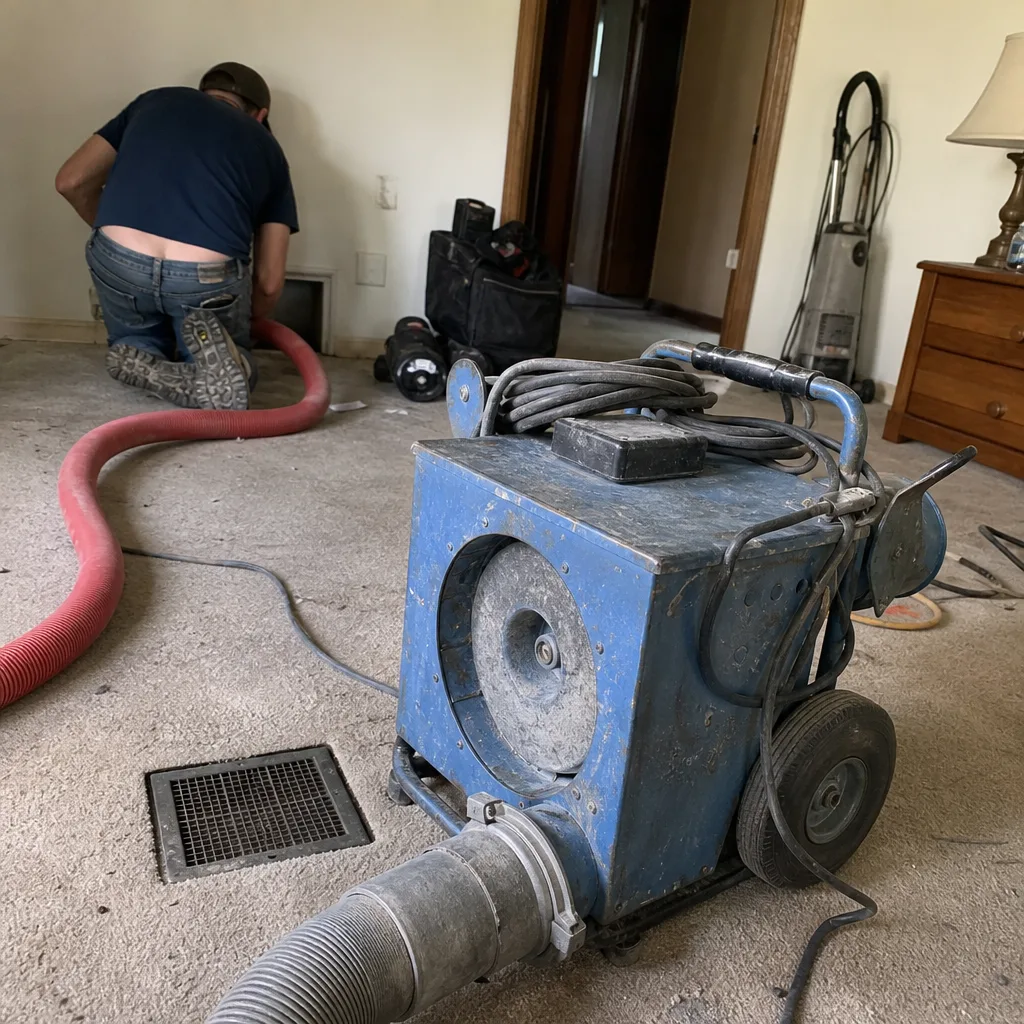
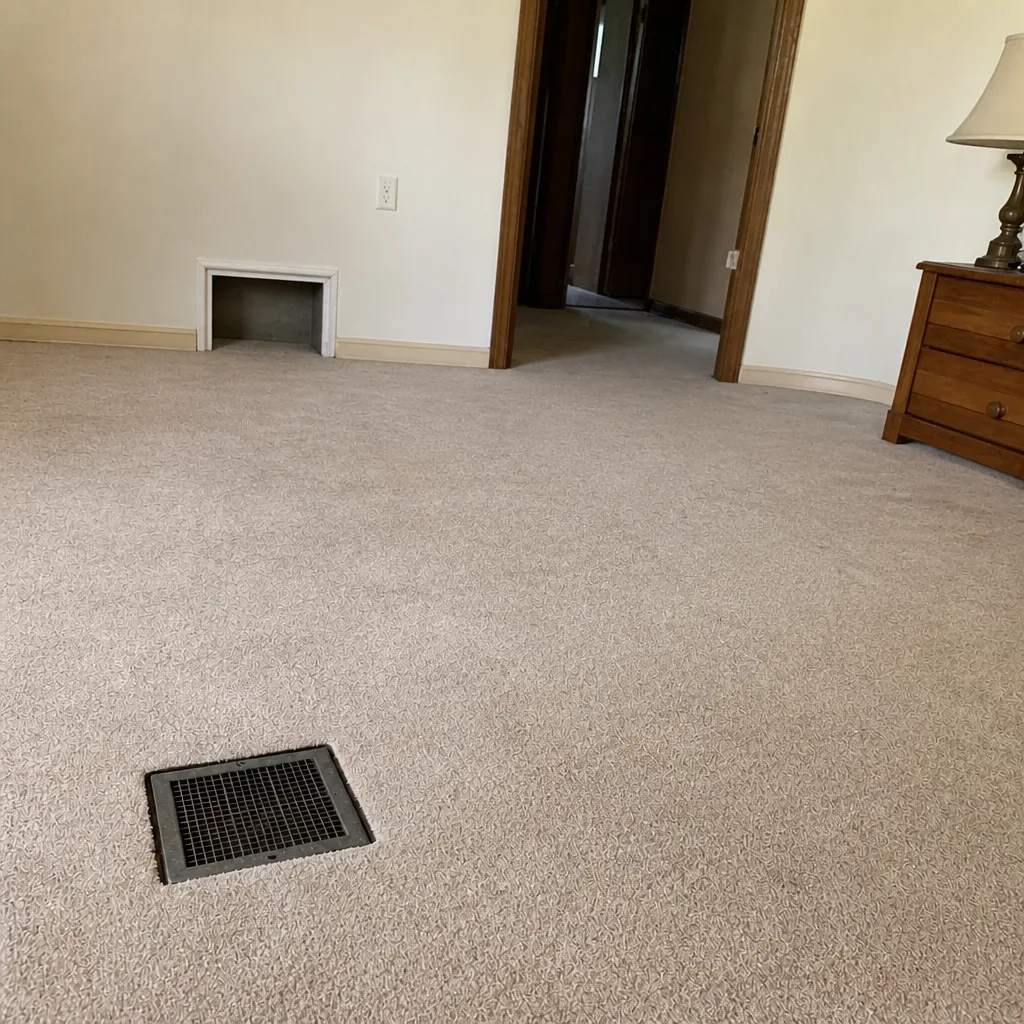
- Verification. Before-and-after photographs and a walk-through confirm what was cleaned. A contractor confident in the work will show you.
This is also the point where familiarity with whole-home air equipment matters. Homes with Aprilaire or Honeywell filtration and humidity systems often need those components cleaned or assessed during the same visit, and doing so is more efficient than a follow-up appointment with a different contractor. If you’re already on top of the monthly filter change and your air still feels dusty, the next step is usually the full-system clean rather than another filter swap. Read more about our HVAC cleaning scope if the system itself is involved.
How to Read a Duct Cleaning Estimate
The estimate is where the cost is either transparent or it isn’t. Here’s what separates a usable estimate from a sales piece.
- Line items, not a lump sum. Each major task should be listed: supply vents, return vents, trunk lines, air handler cavity, coil cleaning, sanitizing, access patching, repair.
- Material callouts. Rigid metal, flex, and duct board systems require different handling. The estimate should acknowledge which you have.
- Equipment named. “Professional equipment” is not a scope. Named systems like Rotobrush, Nikro, or Abatement Technologies signal what’s actually going to be used.
- Containment described. Negative-air containment and HEPA filtration during the job are a legitimate quality marker. If they aren’t mentioned, ask.
- Add-ons priced separately. Sanitizing, sealing, and UV options should be quoted as distinct items so you can decide.
- Photographic verification offered. Before-and-after photos of your own system are the simplest way to know the work was done.
- Written confirmation of the final price. The written estimate is the price. Nothing should appear on the invoice that wasn’t discussed and approved.
Estimates that consist of a single number and a phone call should raise a question. So should estimates that add line items after the technician is on site without explanation. A complete service should show its work, in writing.
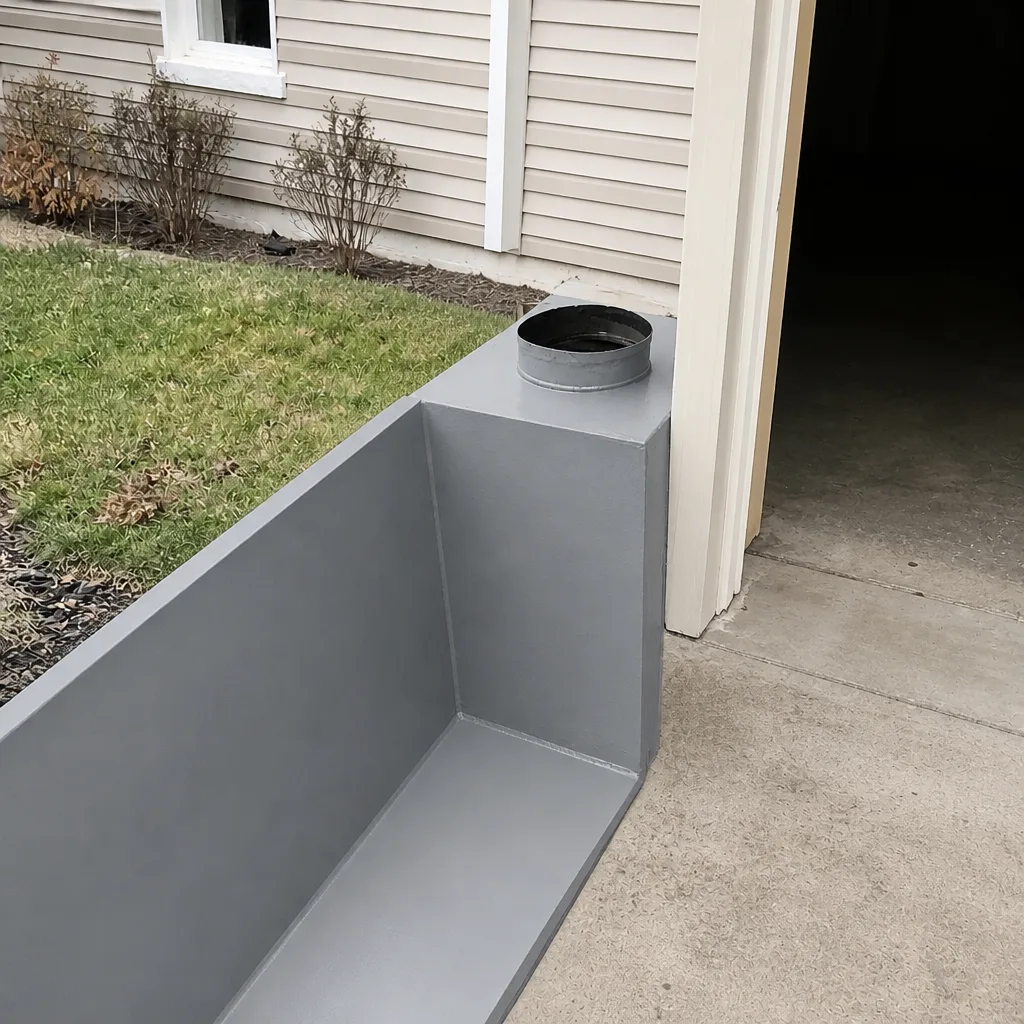
See the difference
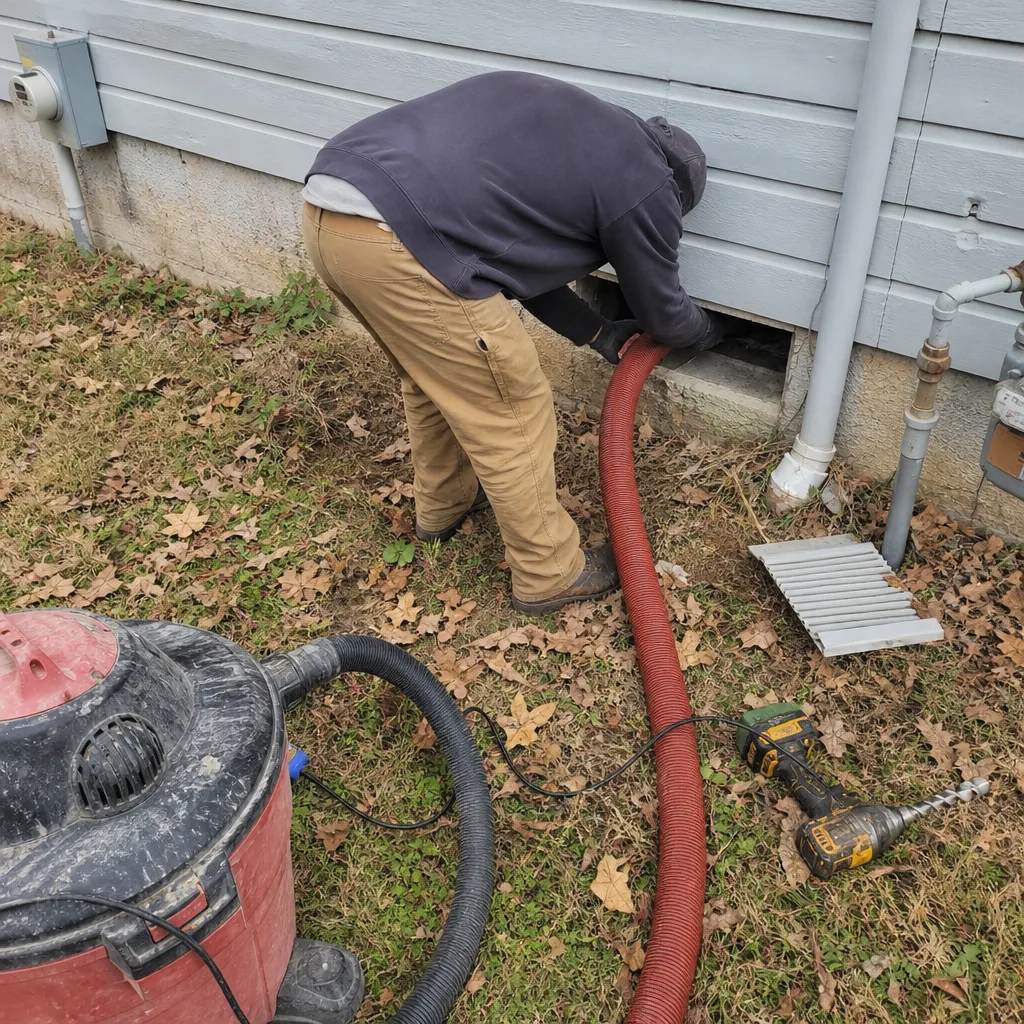 Before
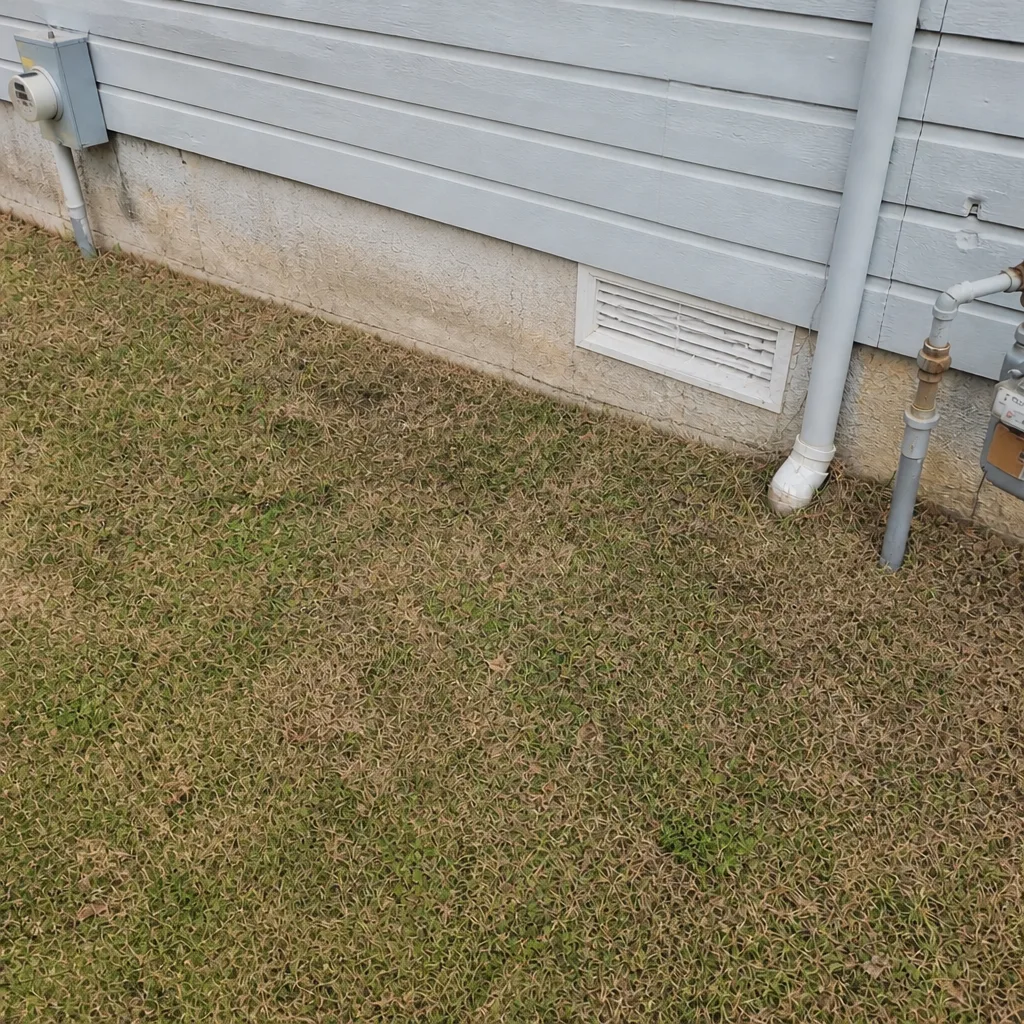 After
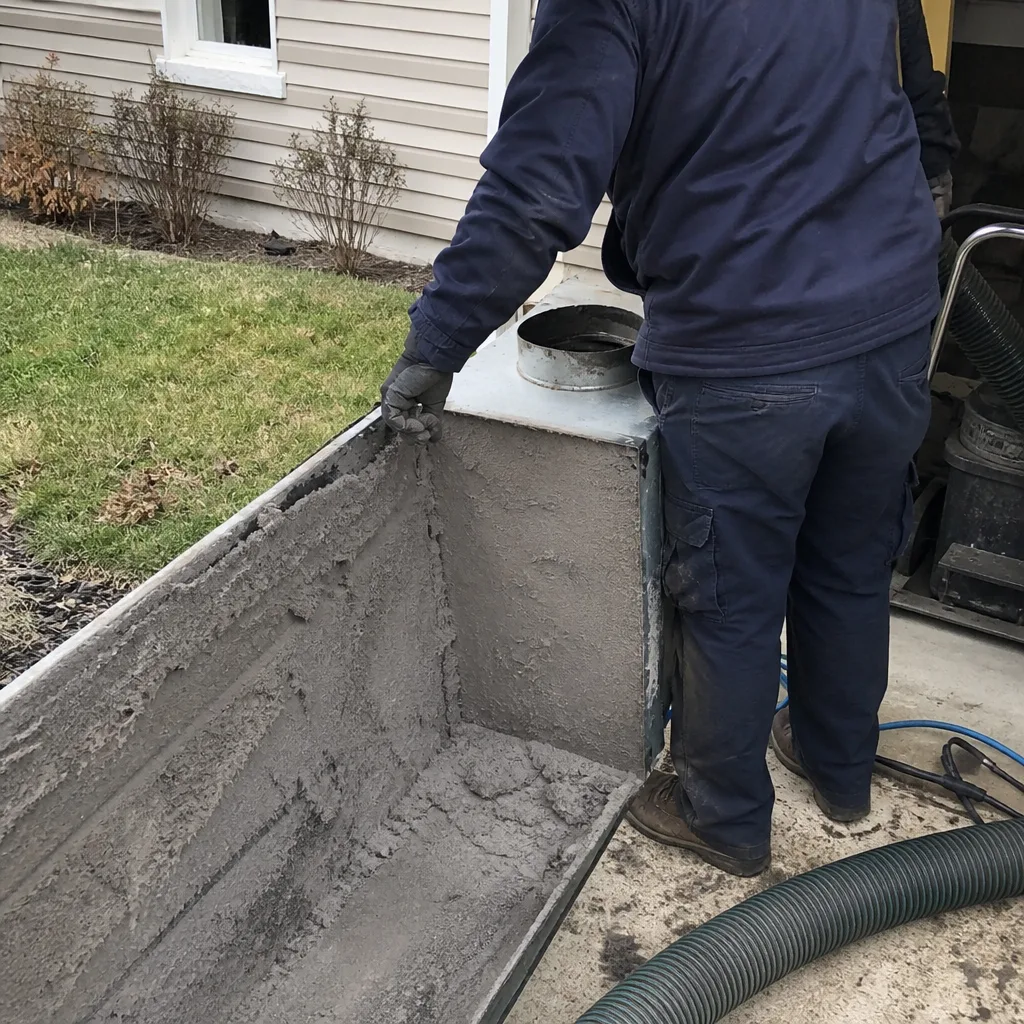 Before
 After
 Before
 After
Common Mistakes to Avoid
- Booking a coupon special as if it’s the final price. Coupon pricing is designed to get the truck to your door and generate upsells on site. The number you see advertised is the opener, not the total.
- Accepting a per-vent quote without asking about trunk lines. The per-vent model is silent on trunk lines, the plenum, and the air handler cavity, which are often the dirtiest parts of the system.
- Skipping the pre-inspection because it seems like a formality. A proper walk-through confirms duct material and system size and prevents surprises once the job starts.
- Paying extra for UV lights when the actual cleaning wasn’t completed first. UV is a complement to cleaning, not a substitute. Coating or fogging on top of uncleaned dirt is money spent on the wrong layer.
- Not asking for before-and-after photos. Photographic verification is the simplest, most direct way to know whether the work was actually done.
- Overlooking duct material differences. Flex and duct board homes in Bellevue are sometimes cleaned incorrectly with too much brush speed, which damages the liner and creates problems the homeowner didn’t have before.
- Assuming a clean driveway means a clean system. Duct cleaning leaves no visible trace outside. The only reliable proof is by photograph and by scope.
When to Call a Professional
Duct cleaning isn’t something most homeowners can do themselves, and in many cases it’s not something that should wait. Call a professional when you’re seeing visible dust streaks around supply vents, when a new HVAC filter goes gray within a few weeks, when a room is noticeably dustier than the rest of the house, or when allergy symptoms worsen indoors without a clear cause. Call when the system has never been cleaned and the home is older, when a renovation has recently finished, or when a technician has found a disconnected or crushed flex run during an HVAC service call. Call after a rodent or moisture problem has been resolved in a crawlspace or attic, since duct interiors may need inspection. Air Duct Cleaning Bellevue offers free estimates in Bellevue. Call (877) 560-9584. We answer 24/7. Fast dispatch from 7am to 7pm, Sunday through Friday. Our technicians have up to 11 years of experience, and every job is quoted as one flat price per system agreed before work starts.
Frequently Asked Questions
For a typical Bellevue single-family home in 2026, whole-system mechanical cleaning runs roughly $600 to $900, with a wider range of $450 to $1,200 depending on home size and duct material. Per-vent pricing at $30 to $45 per vent often lands in the same range or higher, while leaving trunk lines and the air handler cavity untouched. Call (877) 560-9584 for an exact quote based on your system. Estimates are free.
Because the cheapest quotes usually aren’t quoting the same job. A low figure is often per-vent or capped at surface cleaning, with trunk lines, the return plenum, and coil treatment excluded. The advertised price is a door-opener, and the real scope gets sold on site. Ask each contractor to list what’s included in writing before the appointment. Call (877) 560-9584 to compare a whole-system quote against what you’ve been offered.
Ask for before-and-after photographs of your own system, taken during the job, and for a scope list you can compare to the estimate. A contractor confident in the work has no reason to avoid showing you. Call (877) 560-9584 to schedule and we’ll walk you through what documentation you’ll receive.
Every two to three years is a common working rhythm for homes with pets, allergy-sensitive occupants, or ongoing remodeling dust. Homes with lighter dust loads can stretch that further. The more useful rule is this: clean when there’s visible evidence, not on a predetermined schedule. Call (877) 560-9584 if you’re unsure whether it’s time.
Bellevue’s humid summers and cool winters mean the HVAC system cycles hard in both seasons, which moves more air, pet dander, and dust through the ductwork over a year than a similar home in a milder climate. Crawlspace and attic duct runs in older local housing stock are also more prone to moisture intrusion and rodent activity, both of which warrant a closer look. Call (877) 560-9584 to schedule an inspection if you’ve had either issue.
It can, if the ducts are compromised. Cleaning itself doesn’t lower energy bills on its own, but sealing disconnected joints and repairing crushed flex runs, when discovered during the job, reduces air loss and lets the system move conditioned air the way it was designed to. That’s where the savings come from. Call (877) 560-9584 for a free estimate and we’ll scope the full system, not just the vents.
The Bottom Line
Duct cleaning pricing in Bellevue in 2026 is a story about scope, not about labor. Per-vent prices look transparent but quietly exclude trunk lines and the air handler cavity, and the lowest advertised figures tend to be door-openers rather than honest totals. A whole-system clean for a typical Bellevue single-family home lands between roughly $600 and $900, with the final price set by a written estimate that names each part of the system. Legitimate add-ons like sanitizing, coil cleaning, and duct sealing have real function. UV lights and antimicrobial sprays deserve more scrutiny. Read the estimate for what’s included, not just the number at the bottom. Then call (877) 560-9584 for a free estimate. We answer 24/7, with fast dispatch from 7am to 7pm, Sunday through Friday.
Written by the team at Air Duct Cleaning Bellevue.