
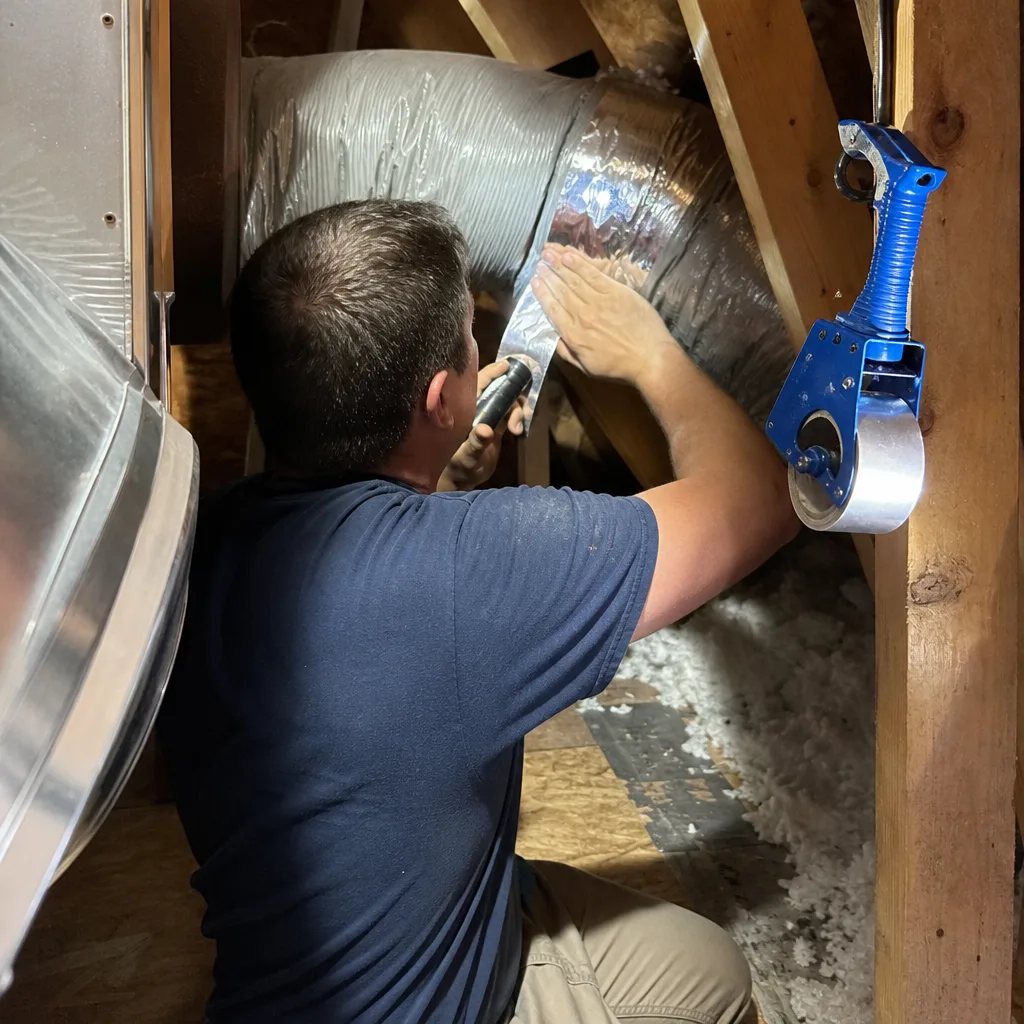
Last updated November 22, 2026
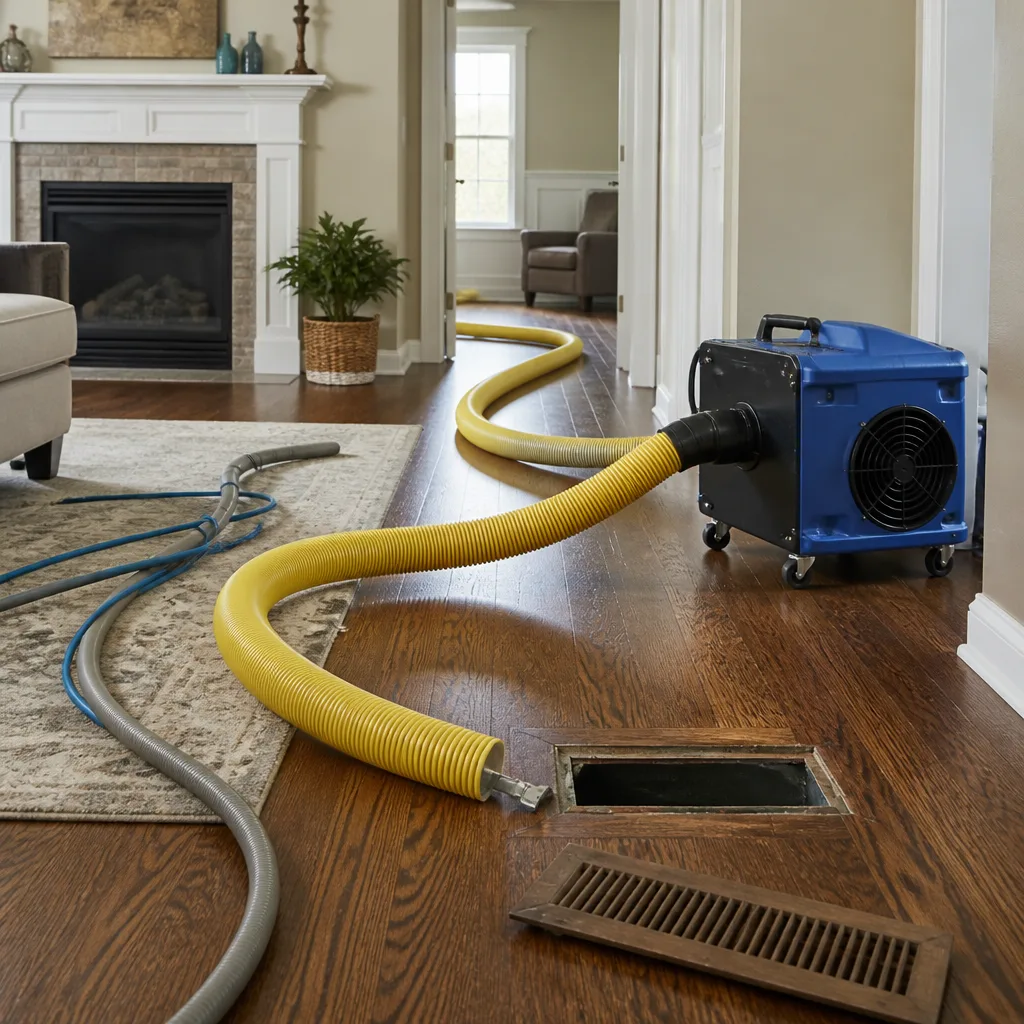 Whole-home duct cleaning
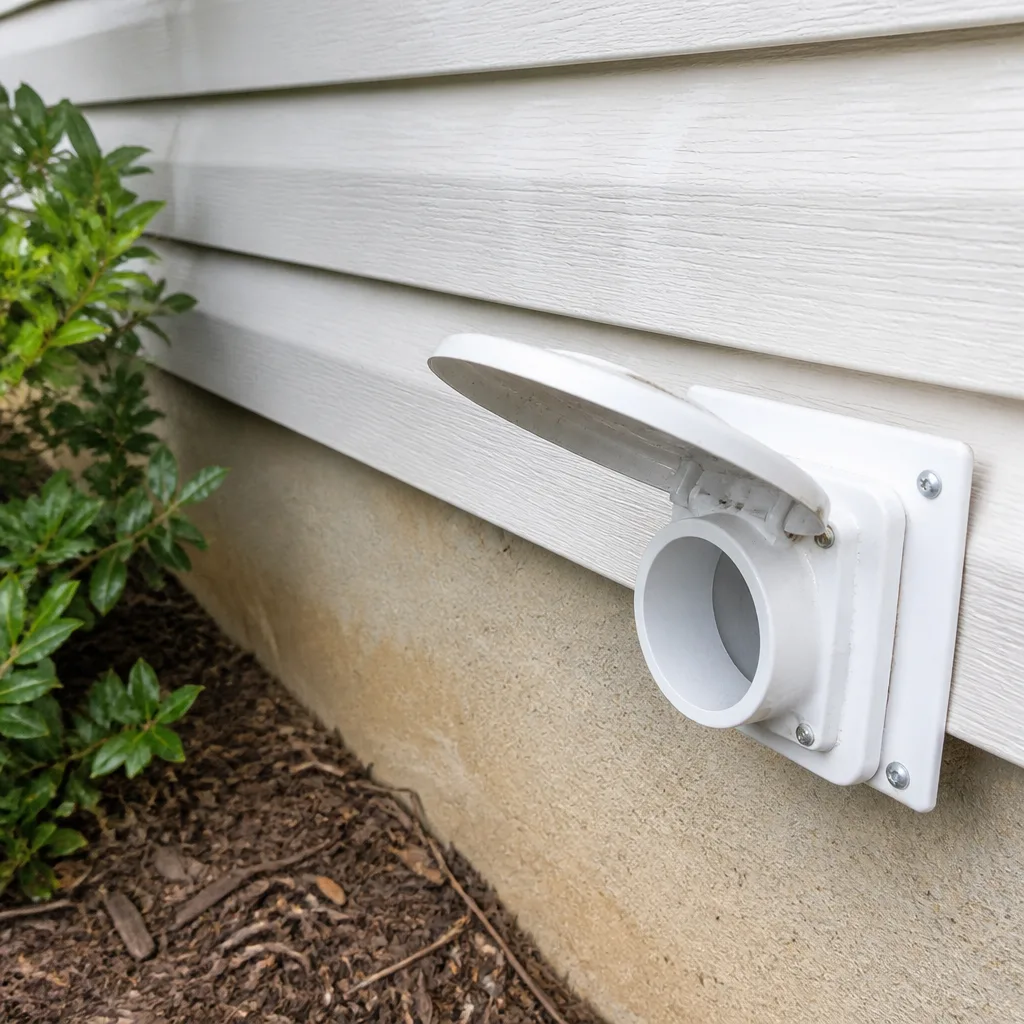 Dryer vent cleaning
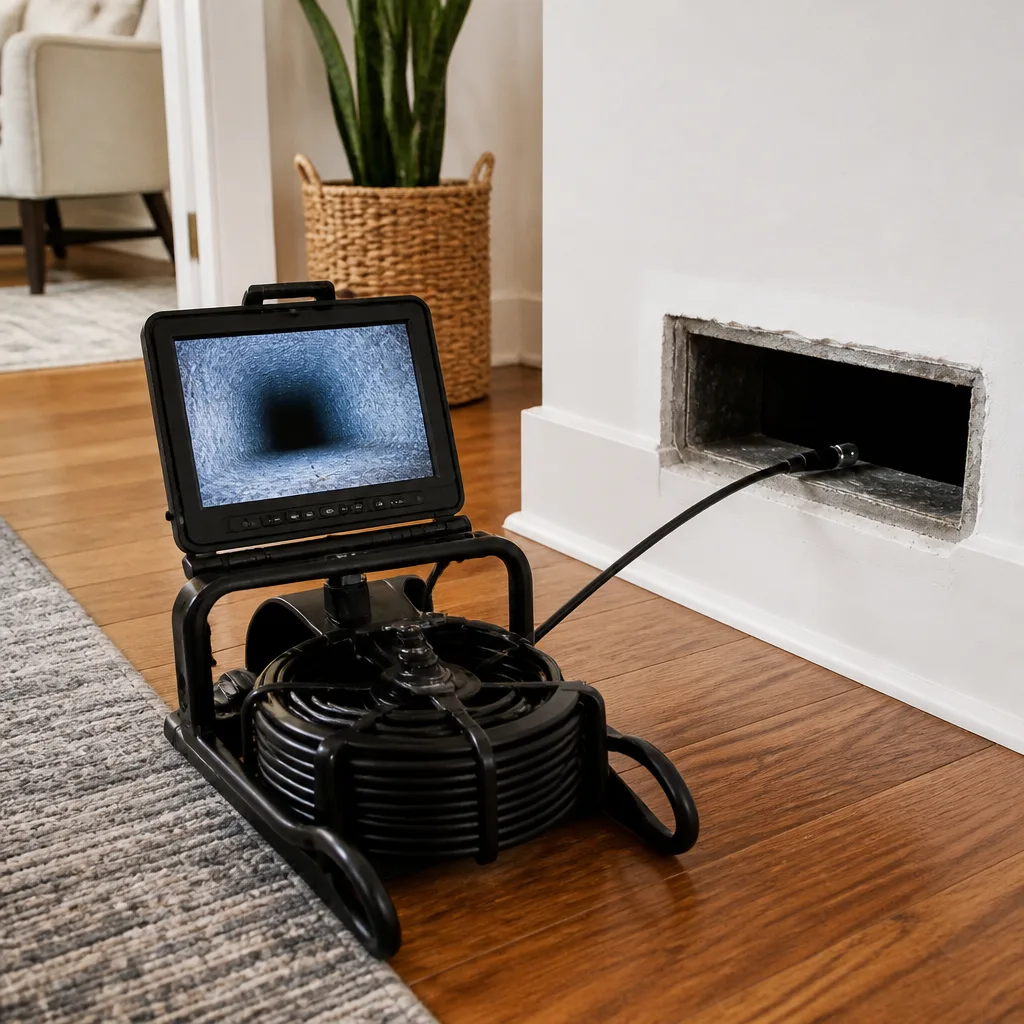 Camera inspection
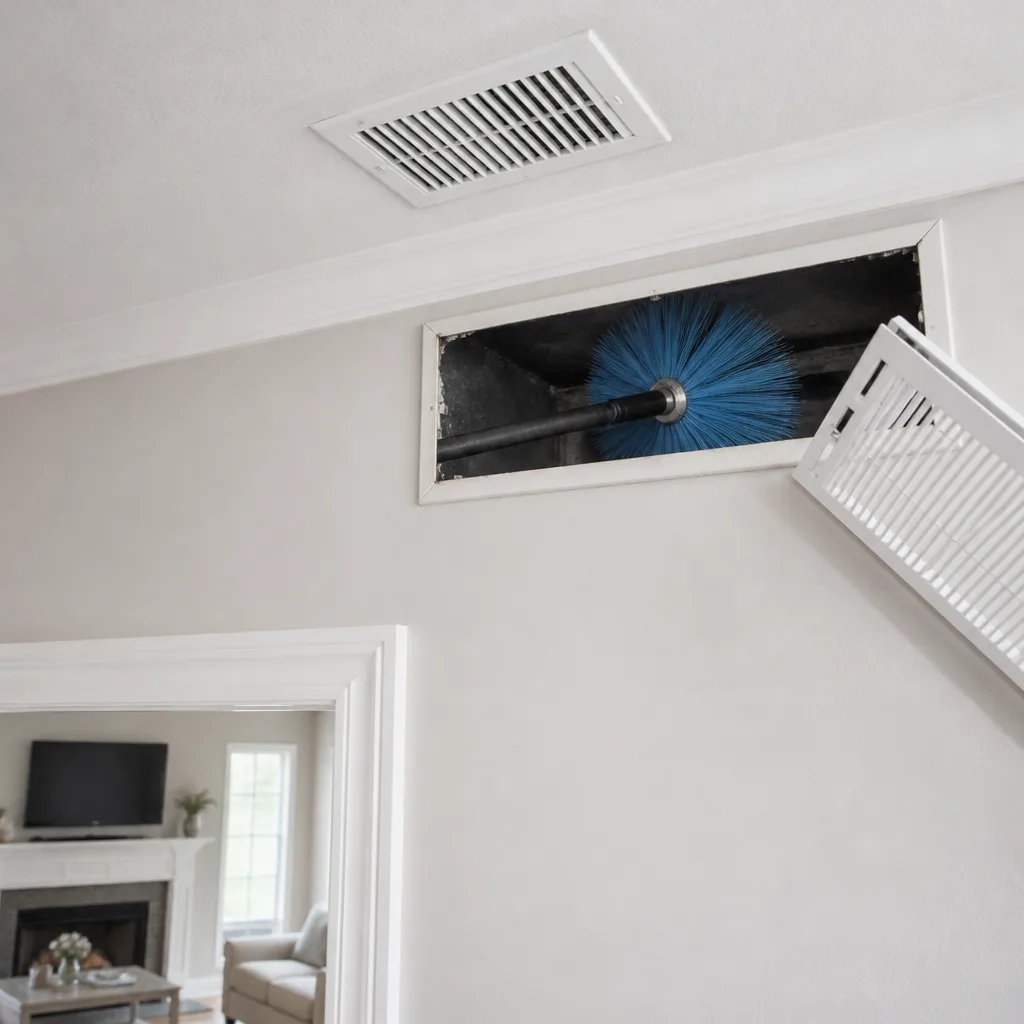 Sanitizing & deodorizing
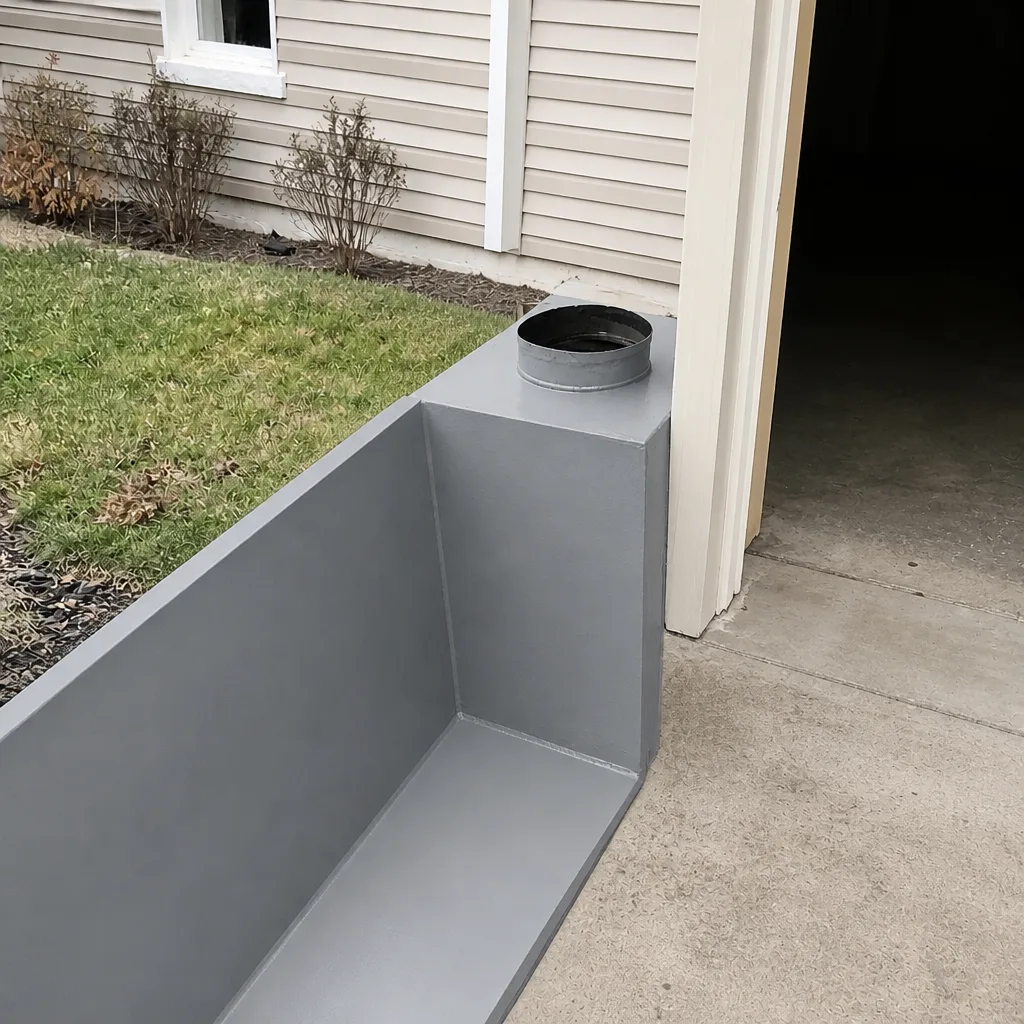
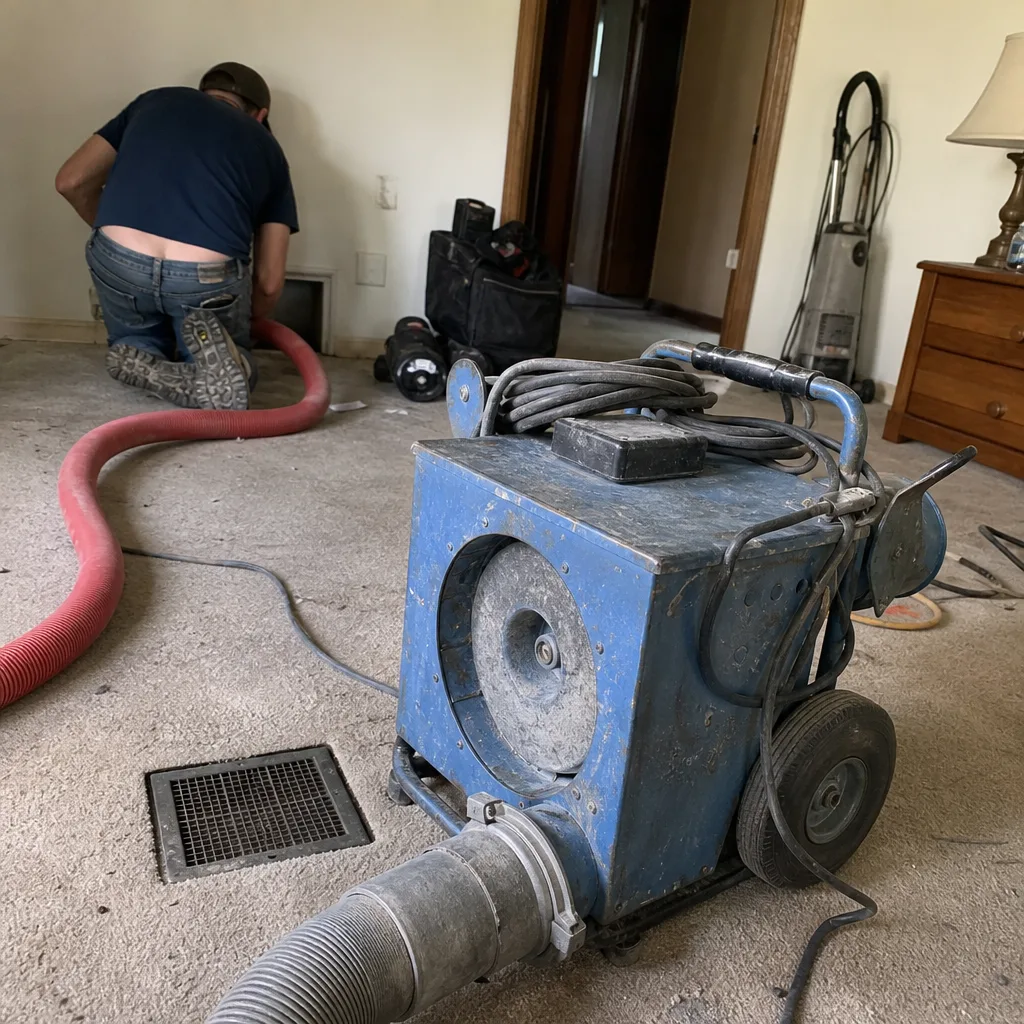
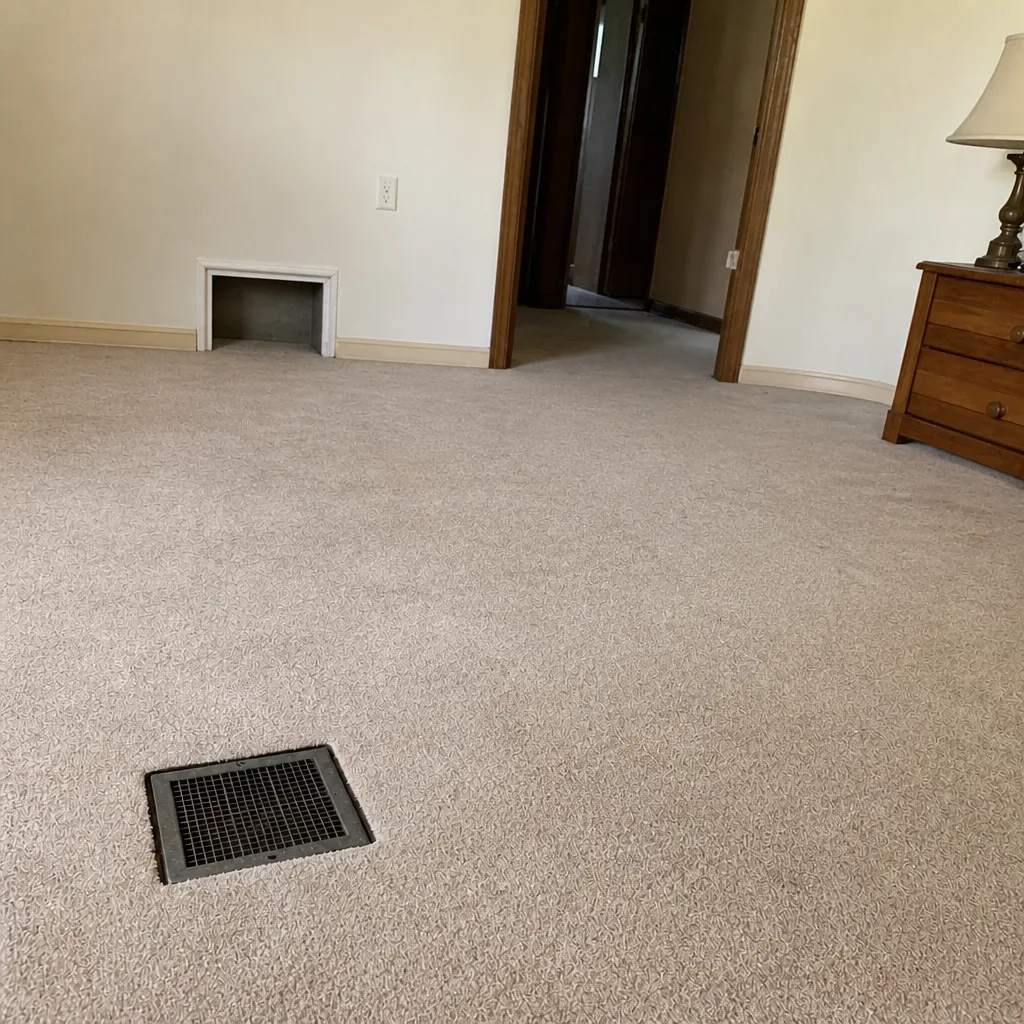
Whole-system duct and dryer vent check with before-and-after photos - you see exactly what came out of your vents
That "$99 whole-house special" is a bait ad - the real number appears once they are in your hallway, or the "clean" is a shop-vac at the register. We photograph the inside of your ducts before and after instead.
Air Duct Cleaning Maintenance Checklist for Bellevue Homeowners
Most duct-cleaning advice online is written for a house that doesn’t exist here. The widely repeated “every three to five years” interval was built around average conditions in average climates. Bellevue doesn’t have average conditions. We have spring pollen that coats every surface, August humidity that hangs in the air for weeks, and a housing stock that runs from tight new construction to older homes with long runs of flex duct and air handlers sitting in a crawl space. A checklist that ignores those variables is just a calendar with good marketing. This guide gives you a maintenance schedule you can actually build around your home – what to check monthly, what to do quarterly, what needs a technician with real equipment, and how to log it all for resale and warranty purposes.
Quick Answer
A workable air duct maintenance checklist in Bellevue has three tiers. Monthly and quarterly tasks – filter changes, return-grille checks, drain pan inspection – are homeowner-appropriate. Annual visual inspections of accessible ductwork and HVAC components catch developing problems early. Full mechanical cleaning with professional-grade equipment typically falls every three to five years for standard homes, sooner for homes with pets, allergy sufferers, crawl space air handlers, or heavy pollen exposure. Document every service date and finding; it protects your warranty and helps at resale.
Styles & brands we work with
- Whole-home duct cleaning
- Dryer vent cleaning
- Camera inspection
- Sanitizing & deodorizing
Table of Contents
- Why Generic Duct Advice Fails in Bellevue
- The Four Bellevue Home Profiles
- Monthly Tasks You Can Handle Yourself
- Quarterly Checkpoints
- Annual Inspection and What It Should Cover
- HVAC Components Beyond the Ducts
- Bellevue-Specific Triggers That Accelerate Contamination
- Building Your Documentation Log
Why Generic Duct Advice Fails in Bellevue
The three-to-five-year cleaning interval you see quoted everywhere comes from climate averages. It assumes a moderate heating season, moderate humidity, and housing stock where ductwork runs inside conditioned space. Bellevue doesn’t match any of those assumptions cleanly. Our summers push humidity high enough that condensation inside ductwork and drain pans becomes a real concern. Our springs deliver a pollen surge heavy enough to load filters faster than the calendar suggests. And a meaningful share of homes in the area were built during decades when flex duct was the standard choice, which behaves very differently from rigid sheet metal.
Here’s the practical consequence: two homes on the same street can need completely different cleaning intervals. A 2015 sealed-construction home with a heat pump and no pets might genuinely go five years between cleanings. A 1980s home with flex duct, a crawl space air handler, two dogs, and an allergy sufferer in the house might need attention every two years. The construction era, HVAC type, occupancy load, and the specific allergen and humidity cycles in Bellevue drive the schedule – not the number on a website.
Treat any generic interval as a starting point, then adjust it against your home’s actual profile. The checklist below is built to help you do exactly that.
The Four Bellevue Home Profiles
Before you build a schedule, identify which profile your home fits. Most Bellevue homes fall into one or more of these categories, and each one shifts the maintenance calendar in a different direction.
Profile 1: Newer Sealed Construction
Homes built in the last fifteen to twenty years tend to be tighter. Less outside air infiltrates, which sounds good but means the HVAC system is doing more of the air exchange work. In a sealed home, a dirty filter has a bigger effect on indoor air quality because there’s less dilution from leakage. These homes usually need more frequent filter changes but can often go longer between full duct cleanings – the ducts themselves stay cleaner because less outdoor debris gets in. Watch for one specific issue: in tightly sealed homes, return-air paths are critical, and a poorly sealed filter housing lets unfiltered air bypass the filter entirely.
Profile 2: Older Homes with Flex Duct
Flex duct is corrugated, which means it has ridges and valleys along its interior surface. Debris collects in those valleys and is much harder to dislodge than from smooth sheet metal. Flex duct also sags over time, creating low spots where dust settles. If your home has long flex runs – common in construction from the 1980s through the early 2000s – plan on a shorter cleaning interval and pay attention to any runs that visibly sag or have developed kinks. Duct repair and sealing become part of the conversation here, not just cleaning.
Profile 3: Crawl Space Air Handlers
Many Bellevue-area homes have the air handler in the crawl space rather than a closet or attic. That’s a meaningful maintenance factor. Crawl spaces run humid, especially in late summer, and an air handler sitting in that environment is more vulnerable to condensation issues and microbial growth on the coil and in the drain pan. Homes in this profile need more frequent drain pan checks and coil inspections, and the annual inspection should always include the crawl space air handler, not just the visible ductwork in the living space.
Profile 4: Pets or Allergy Occupants
Pets shed dander and hair continuously, and much of it gets drawn into the return system. Allergy sufferers are also more sensitive to what’s in the ducts, even at concentrations that wouldn’t bother anyone else. If your home fits this profile, shorten every interval on the checklist. Filters get changed more often, inspections happen yearly without exception, and full cleanings happen closer to the two-to-three-year mark than the five-year mark.
Monthly Tasks You Can Handle Yourself
These are the tasks that belong in your hands. They’re simple, they take minutes, and they catch problems before they become expensive.
- Check the filter. Hold it up to the light. If you can’t see light through it, replace it. In Bellevue, this often means changing more often than the packaging recommends, especially during spring pollen season and if you have pets.
- Look at the return grilles. Visible dust buildup on the grille face means the filter is loading or bypassing. Note it and check the filter housing.
- Listen to the system. A new whistle or rattle can indicate a loose duct connection or a partially blocked return. Note the sound and where it comes from.
- Check the drain pan. If you can safely access it, look for standing water. Standing water means a clogged drain line or a failing pan – not something to leave for later.
- Walk the visible ducts. In a basement or crawl space, look for disconnected joints, crushed sections, or tape peeling away from seams.
None of these require tools or training. What they require is a routine. Pick a day each month and go through the list. It takes less time than a load of laundry.
Quarterly Checkpoints
Quarterly tasks go deeper than a visual pass but still stay within homeowner territory. These are the checkpoints that catch developing issues before they turn into a service call.
- Filter housing seal check. Remove the filter and look at the frame. Is the gasket intact? Is there a visible gap where air can bypass? A filter that’s properly installed but poorly sealed is doing half its job.
- Coil inspection. If your coil is accessible, look at it with a flashlight. A coil coated in dust and debris can’t transfer heat efficiently, and that shows up on your energy bill before it shows up as a breakdown.
- Condensate drain check. Pour a small amount of water into the drain pan and confirm it drains freely. If it drains slowly or backs up, you have a clog forming.
- Grille and register cleaning. Wipe down supply registers and return grilles with a damp cloth. This is surface maintenance, but it keeps visible dust from getting pulled back into the system.
- Outdoor unit clearance. Keep vegetation and debris clear around the outdoor condenser unit. Restricted airflow makes the whole system work harder.
- Humidity and filtration equipment check. If you have a whole-home filtration or humidity control system – Aprilaire and Honeywell are the most common brands we work with – check that it’s operating as intended. These systems need their own maintenance, separate from the ductwork.
Here’s where we see homeowners get stuck. These quarterly tasks assume the components are accessible. If your air handler is in a crawl space you don’t want to enter, or the coil is boxed in behind panels, that’s the point where professional service makes more sense than a homeowner climbing into a tight space.
Annual Inspection and What It Should Cover
Once a year, your system deserves a real inspection – not just a filter change, but a look at the components that fail quietly. Here’s what an annual inspection should actually include, and what you should be able to see or be told when it’s done.
- Supply and return duct inspection. Every accessible run, looking for disconnections, crushed sections, leaks at seams, and sagging flexible runs.
- Air handler and coil. Inspect the coil for dust, debris, and biological growth. Check the blower wheel for buildup. In crawl space installations, this step matters more, not less.
- Drain pan and drain line. Confirm the pan is clean and the line flows freely. Look for rust or cracks in the pan.
- Filter housing and seal integrity. Confirm there’s no bypass around the filter.
- Register airflow check. Confirm airflow at each supply register is consistent. Weak airflow at one register can indicate a blocked or disconnected run.
- Duct sealing assessment. Look for leaks at joints, especially in unconditioned spaces. Leaks in crawl space or attic runs are both an energy problem and a contamination problem.
- Documentation. Every finding should be noted – date, condition, what was checked, what was found. This is the part most inspections skip, and it’s the part that protects you later.
Our technicians have up to 11 years of experience with these inspections, and we use professional-grade equipment from Rotobrush and Nikro to look at and clean systems that consumer tools can’t reach. The difference between a thorough inspection and a superficial one is usually what happens inside the ductwork, not what you can see from the floor.
HVAC Components Beyond the Ducts
A duct maintenance checklist that stops at the ducts is missing half the system. The ducts are the delivery network; the HVAC components are the machinery, and they need their own checkpoints. These are the items that show up in our work again and again.
- Coil condition. The evaporator coil is a dust magnet. A dirty coil reduces cooling efficiency, can freeze up, and eventually needs a costly cleaning or replacement. Quarterly visual checks and annual professional cleaning keep it healthy.
- Drain pan status. A cracked or rusted pan leaks water into places you don’t want water. Check it at every service, and confirm the drain line flows.
- Filter housing seal integrity. The filter only works if all air goes through it. Gaskets wear, frames warp, and bypass develops. This is one of the most common and most overlooked problems we find.
- Blower wheel. Dust buildup on the blower wheel reduces airflow and makes the motor work harder. It’s not a homeowner cleaning task, but it should be checked during any professional cleaning visit.
- Whole-home filtration and humidity systems. If you’ve added filtration or humidity control – Aprilaire and Honeywell systems are common here – those components need their own maintenance schedule. We work with both brands and can clean and assess them as part of the same visit.
This is where a full-system approach matters. Cleaning the ducts while leaving a loaded coil and a bypassing filter housing in place means the ducts will be dirty again sooner. HVAC cleaning and duct cleaning belong on the same schedule, not separated into different years.
Bellevue-Specific Triggers That Accelerate Contamination
These are the local factors that make Bellevue duct maintenance different from the generic advice. Each one should shorten your interval or sharpen your attention.
Spring Tree Pollen Surge
Bellevue’s springs bring a concentrated pollen load that shows up as a visible yellow-green film on outdoor surfaces within days. Your HVAC system is pulling that air in through the return. Filters load fast during this window – much faster than the packaging schedule suggests. If you have seasonal allergies, plan on changing filters more often in spring, and consider whether your system is pulling in more pollen than it filters out.
August Humidity Peaks
Late summer humidity is the factor that hits crawl space air handlers and drain pans hardest. Condensation forms on cold surfaces, and standing moisture in a drain pan is the starting point for biological growth. This is the season to be most attentive to the drain pan, the drain line, and any signs of moisture in the ductwork. A whole-home humidity system, if you have one, earns its keep here – but it needs to be functioning correctly.
Post-Winter Closed-House Dust Accumulation
Through the cooler months, homes stay closed up. Dust, pet dander, and general household debris accumulate inside the envelope, much of it getting drawn into the return system. By the time spring arrives, a lot of homes in Bellevue have a significant dust load sitting in the ductwork. Spring is a good time to assess whether the ducts are due. This is one of the reasons so many homes here end up on a shorter-than-average cleaning interval – the closed-house months load the system faster than an open-window climate would.
Building Your Documentation Log
A maintenance log is worth more than a clean filter. It tracks what was done, when, and what was found – and that information serves you at resale, with warranty claims, and for your own understanding of the system. Here’s a simple format that works.
- Date of service and which tasks were performed (homeowner or professional).
- Filter type and change date. Note the brand, MERV rating, and size. This matters for warranty and for matching filters later.
- Findings. Note anything observed: coil condition, drain pan status, duct condition, unusual airflow, etc.
- Technician company and what equipment was used. For professional visits, note the company and the equipment used – it tells a future buyer or inspector what was actually done.
- Photos. Take before-and-after photos during professional cleaning. Store them with the log.
- Related systems. Note the service dates for filtration and humidity systems separately, since they have their own schedules.
Keep it simple enough that you’ll actually use it – a notebook, a shared note, or a folder of photos all work. The goal is a record that answers the question “when was this last serviced, and what was found” without guesswork. For a full system cleaning, our air duct cleaning service provides before-and-after photos of your own ducts, which slot directly into this log.
Common Mistakes to Avoid
- Trusting the calendar over your home. Changing the filter every ninety days because that’s what the box says, even when you have pets or heavy spring pollen, means running a system on a dirty filter for weeks. The calendar is a starting point, not the answer.
- Skipping the crawl space. Homes with air handlers in the crawl space get their visible ducts checked and their actual air handler ignored. The crawl space is where humidity problems live.
- Treating “duct cleaning” as a single task. It isn’t. Cleaning without checking the coil, drain pan, and filter housing seal means the ducts get re-contaminated by the components you skipped.
- Ignoring a sagging flex duct. A sag is a debris trap and an airflow restriction. In older Bellevue homes with long flex runs, this is one of the most common findings.
- Not documenting anything. Without a log, you can’t tell whether a system was serviced two years ago or six, and neither can a buyer, an inspector, or a warranty provider.
- Reaching for a shop vac instead of professional equipment. Consumer vacuums don’t reach deep into ductwork, don’t provide HEPA-level containment, and can stir up what’s already there. The right tools matter – which is why we use Rotobrush and Nikro equipment and Abatement Technologies filtration during the job.
- Assuming one cleaning covers everything. Ducts, dryer vents, HVAC components, and filtration systems each need their own attention. Skipping the dryer vent, for example, leaves a fire-safety issue off the list entirely.
See the difference
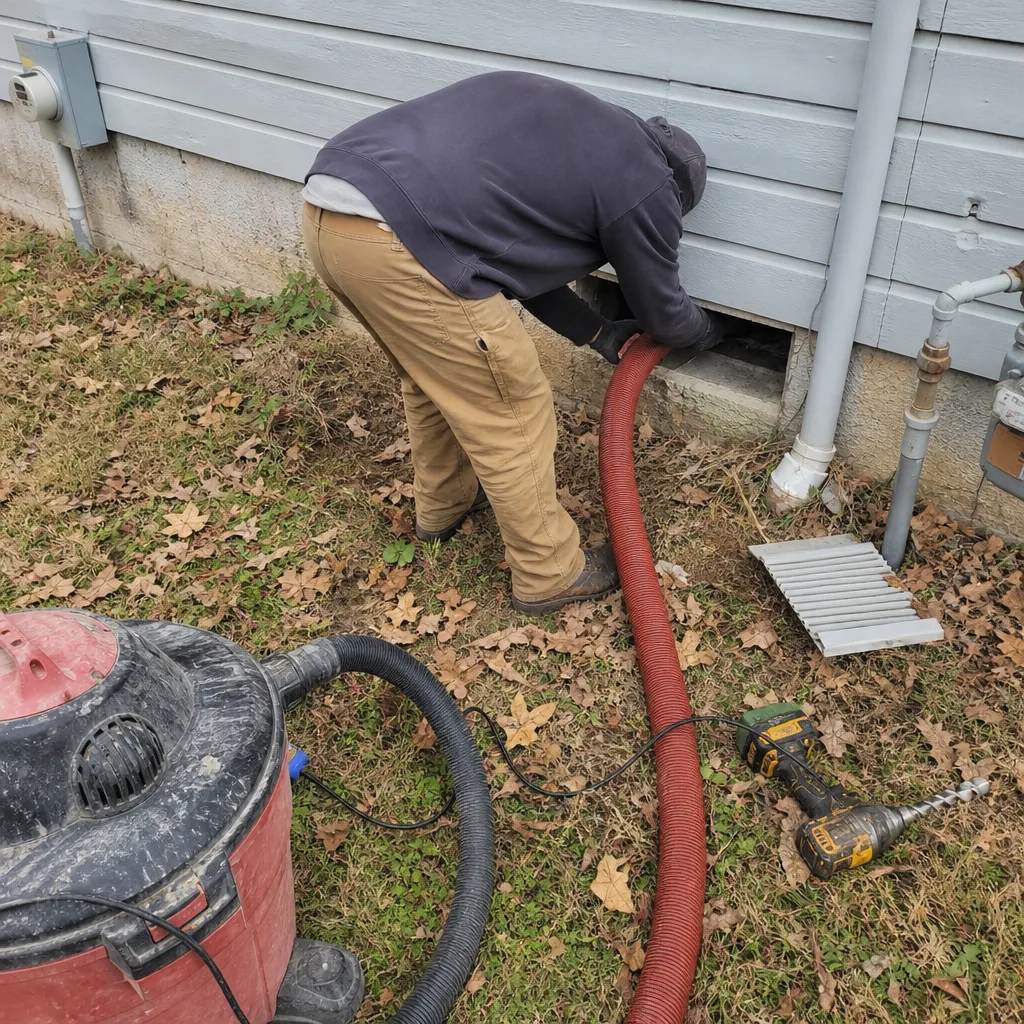 Before
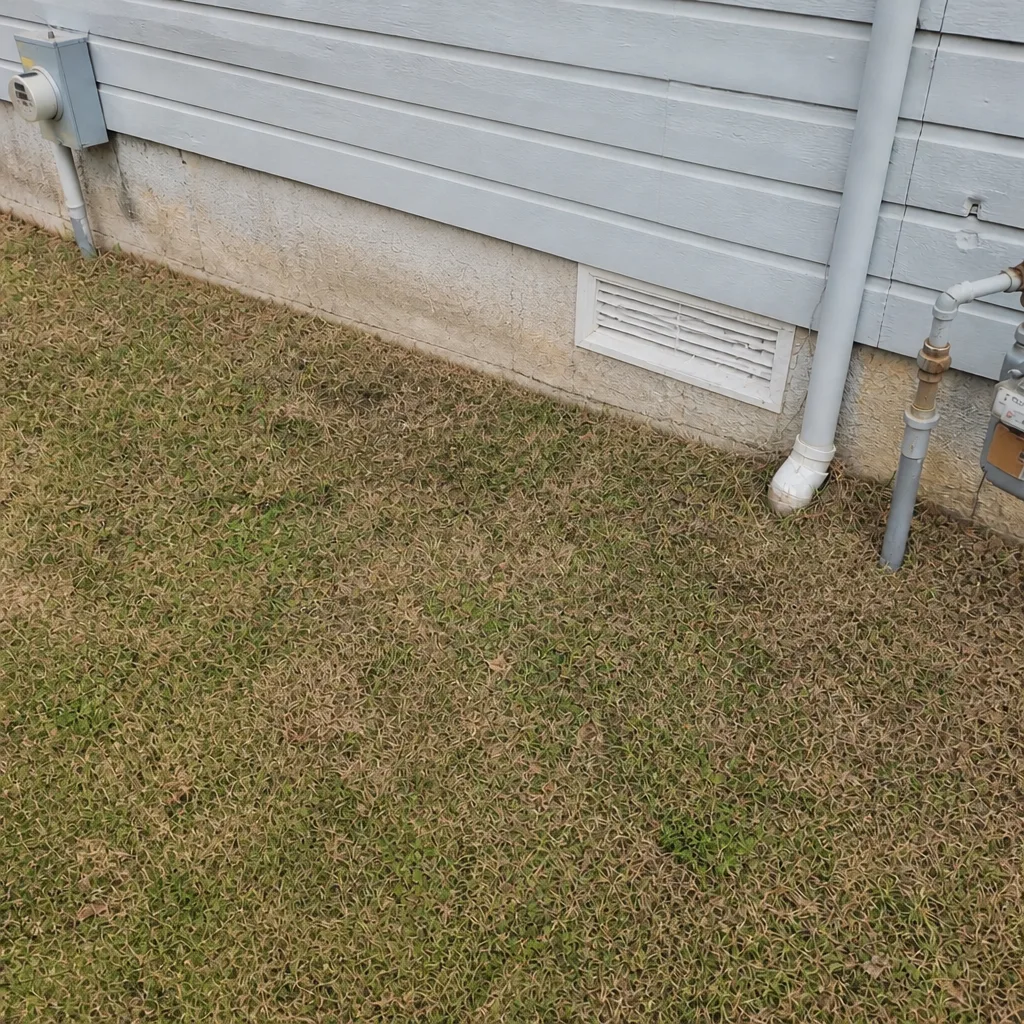 After
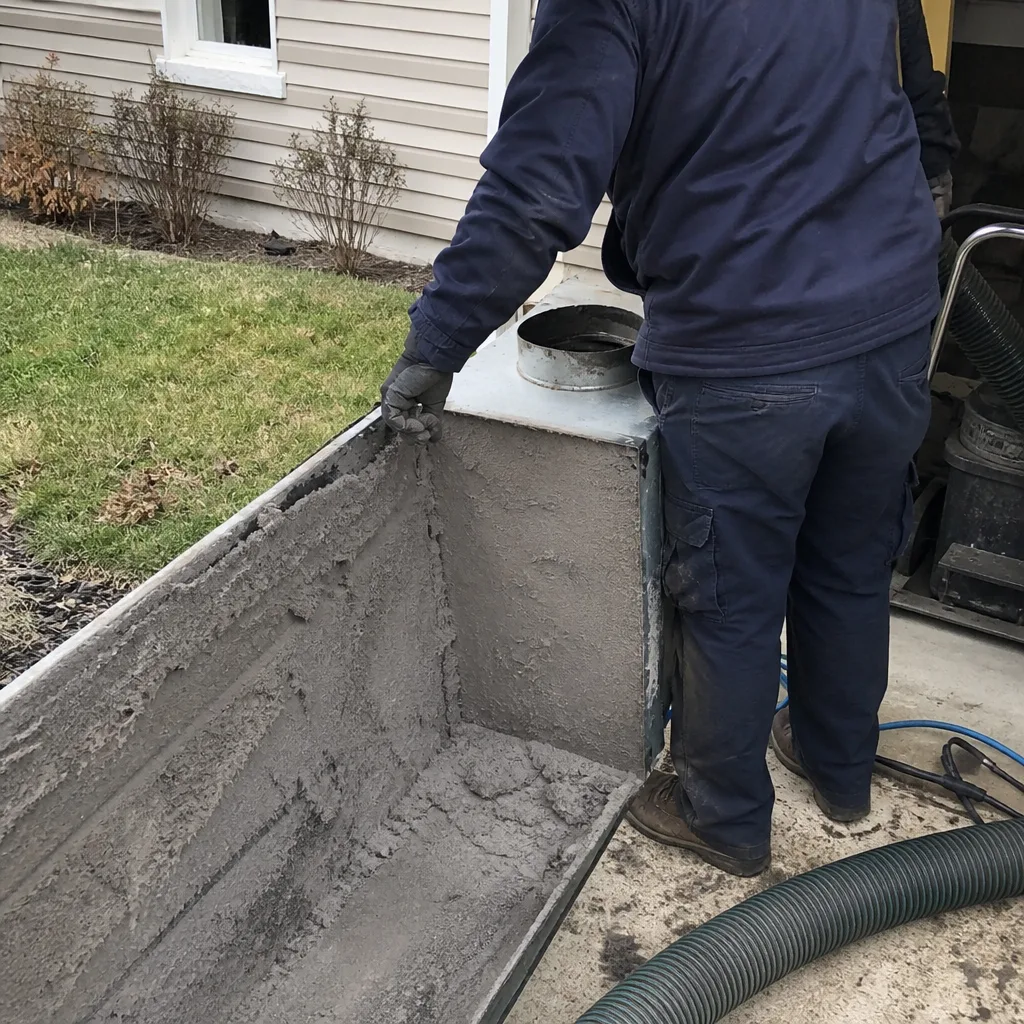 Before
 After
 Before
 After
When to Call a Professional
Some of this checklist you should handle yourself. Some of it needs a technician with the right equipment and the training to use it. Call a professional when: the visible ductwork shows disconnected joints, crushed sections, or heavy contamination; your air handler is in a crawl space and you can’t safely inspect it; you notice worsening allergies or dust buildup that continues after filter changes; your energy bills climb without an obvious cause; you find standing water in the drain pan or a clogged drain line; your system is older with long flex runs that haven’t been inspected; or your dryer vent hasn’t been cleaned and lint is visible at the exterior vent. Dryer vent cleaning is a fire-safety item that belongs on the schedule, not on the someday list. Air Duct Cleaning Bellevue offers free estimates in Bellevue – call (877) 560-9584.
Frequently Asked Questions
Most Bellevue homes fall in the three-to-five-year range for full cleaning, but the right interval depends on your home profile. Homes with pets or allergy occupants, older flex-duct systems, and crawl space air handlers typically need attention closer to every two to three years. A new sealed-construction home with no pets and a clean filter routine may genuinely go five years. The variable is the home, not the calendar.
No – not effectively. A shop vacuum can’t reach deep into ductwork, doesn’t provide proper containment of dust and debris, and can stir up contaminants rather than remove them. Professional systems like the Rotobrush and Nikro equipment we use are built to agitate, extract, and contain. Homeowner-appropriate tasks are the monthly and quarterly checks on this list – filters, visible ducts, drain pans, grilles.
Several local factors speed contamination: the spring pollen surge loads filters quickly, the closed-house months of cooler weather allow dust to accumulate, and late-summer humidity is hard on crawl space air handlers and drain pans. If your home has pets or an older flex-duct system, the rate increases further. These are the reasons a Bellevue schedule differs from a generic one.
Duct cleaning addresses the delivery network – the ducts, registers, and returns. HVAC cleaning addresses the machinery – the coil, blower, drain pan, and air handler components. They’re related but not the same. A thorough service usually includes both, because cleaning ducts while leaving a loaded coil and dirty blower in place means the ducts get re-contaminated. Call (877) 560-9584 to schedule an assessment.
That depends on what’s found during the inspection. Leaks at joints, disconnected runs, crushed flex sections, and sagging ducts need repair or sealing, not just cleaning. This is one reason we offer duct repair and sealing as part of our service – we repair what we find rather than leaving you to line up a separate contractor. The right answer for your home comes from the inspection.
Ask for before-and-after photos of your own ducts, not stock images. A professional cleaning should include documentation of what was found and what was done, which also feeds directly into the maintenance log described above. Our team provides before-and-after photos as part of the service, and we work with a single flat price per system agreed before work starts. Call (877) 560-9584 for a free estimate.
The Bottom Line
A Bellevue duct maintenance checklist works when it’s built around the home, not a generic calendar. Identify your home profile – sealed construction, older flex duct, crawl space air handler, or pets and allergy occupants – and adjust the intervals accordingly. Handle the monthly and quarterly tasks yourself; call a professional for annual inspections, coil and drain pan issues, and full cleanings. Track everything in a simple log. The Bellevue climate rewards this approach: spring pollen, summer humidity, and closed-house dust all push contamination faster than the national average, and a schedule that accounts for them is the one that actually keeps your air clean. Our technicians have up to 11 years of experience and use professional-grade equipment on every job.
To schedule an inspection or get a free estimate, call (877) 560-9584. We answer 24/7. Fast dispatch, 7am-7pm, Sunday through Friday.
For a complete overview of what we do, visit Air Duct Cleaning Bellevue.
Written by the team at Air Duct Cleaning Bellevue.