
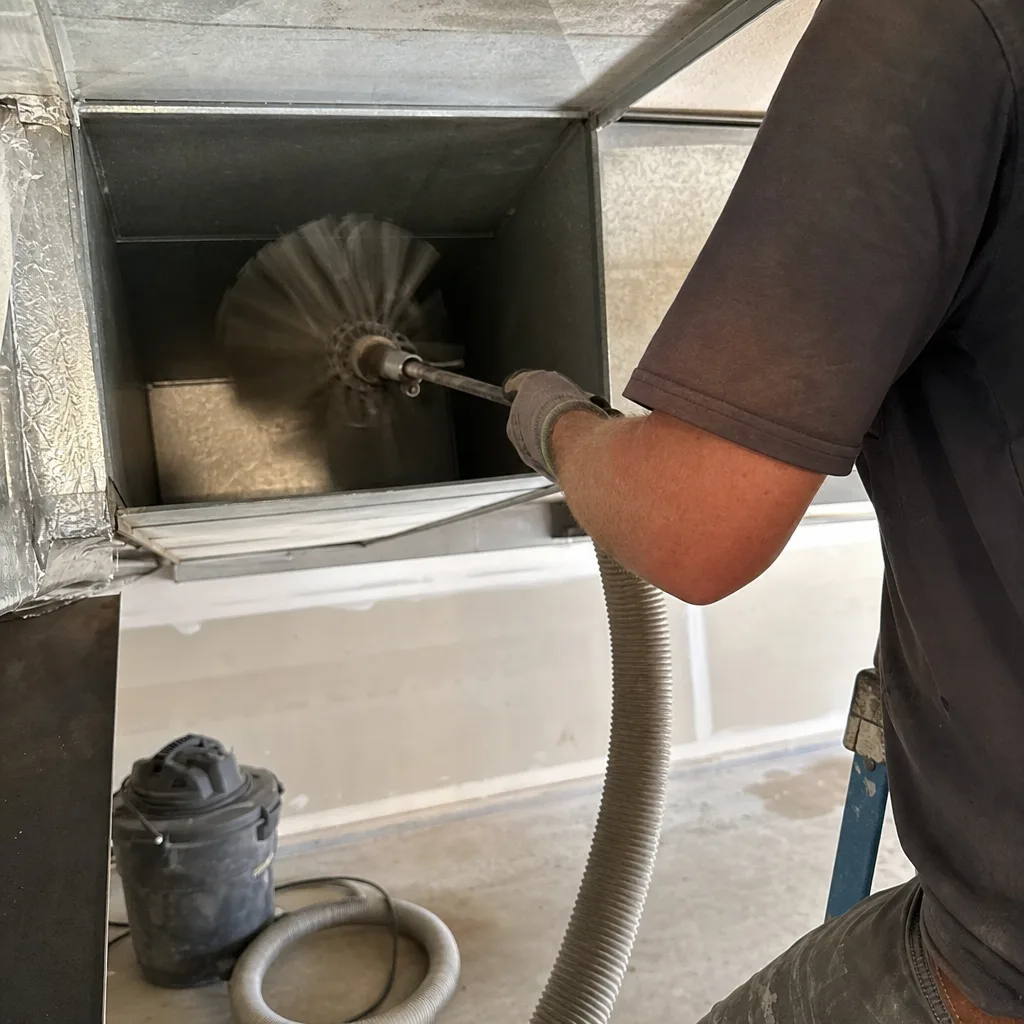
Last updated November 22, 2026
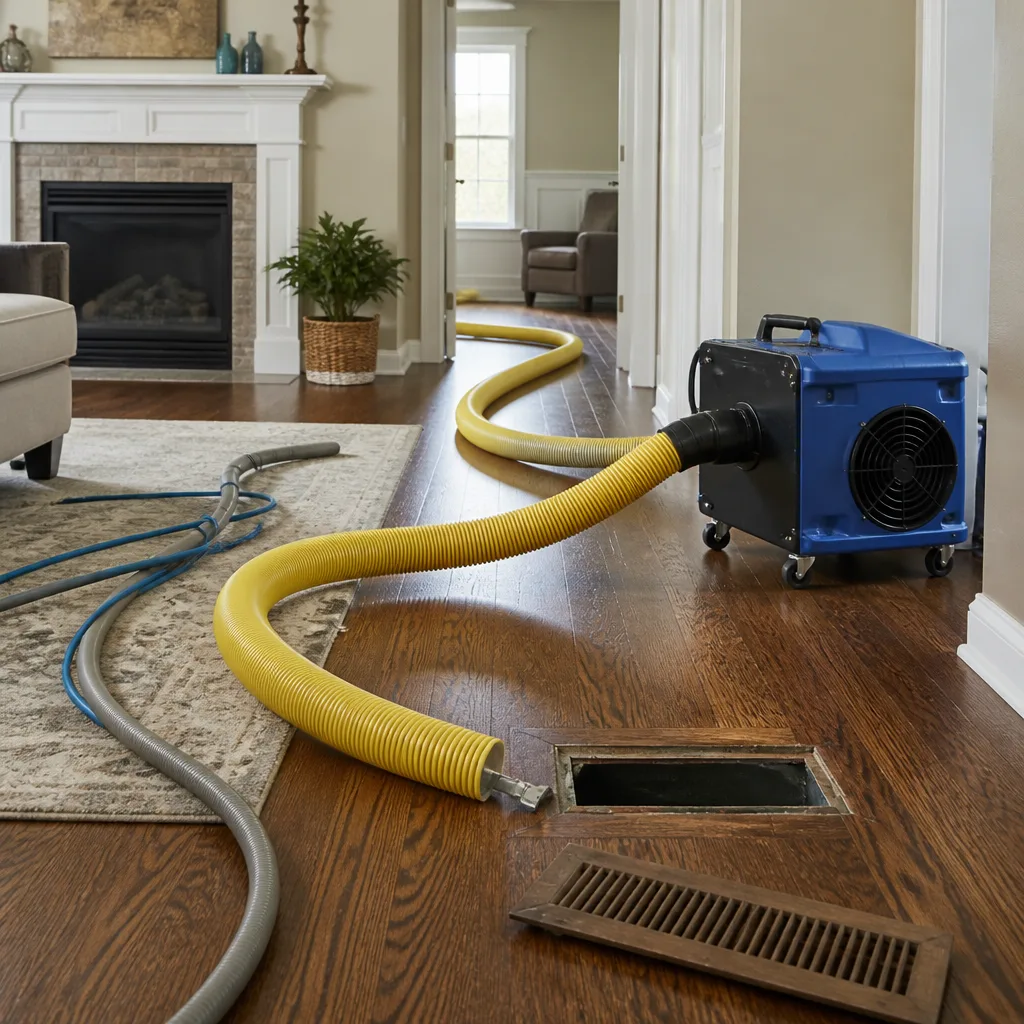 Whole-home duct cleaning
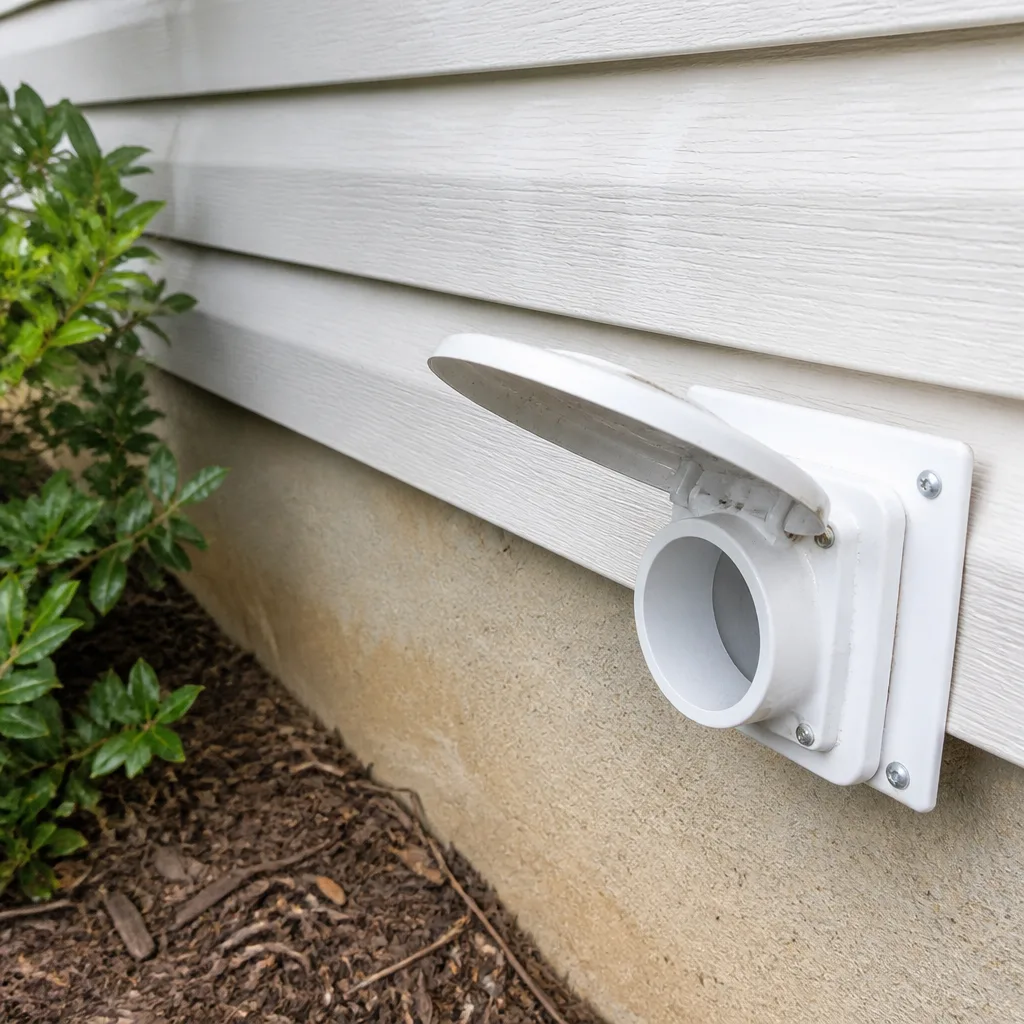 Dryer vent cleaning
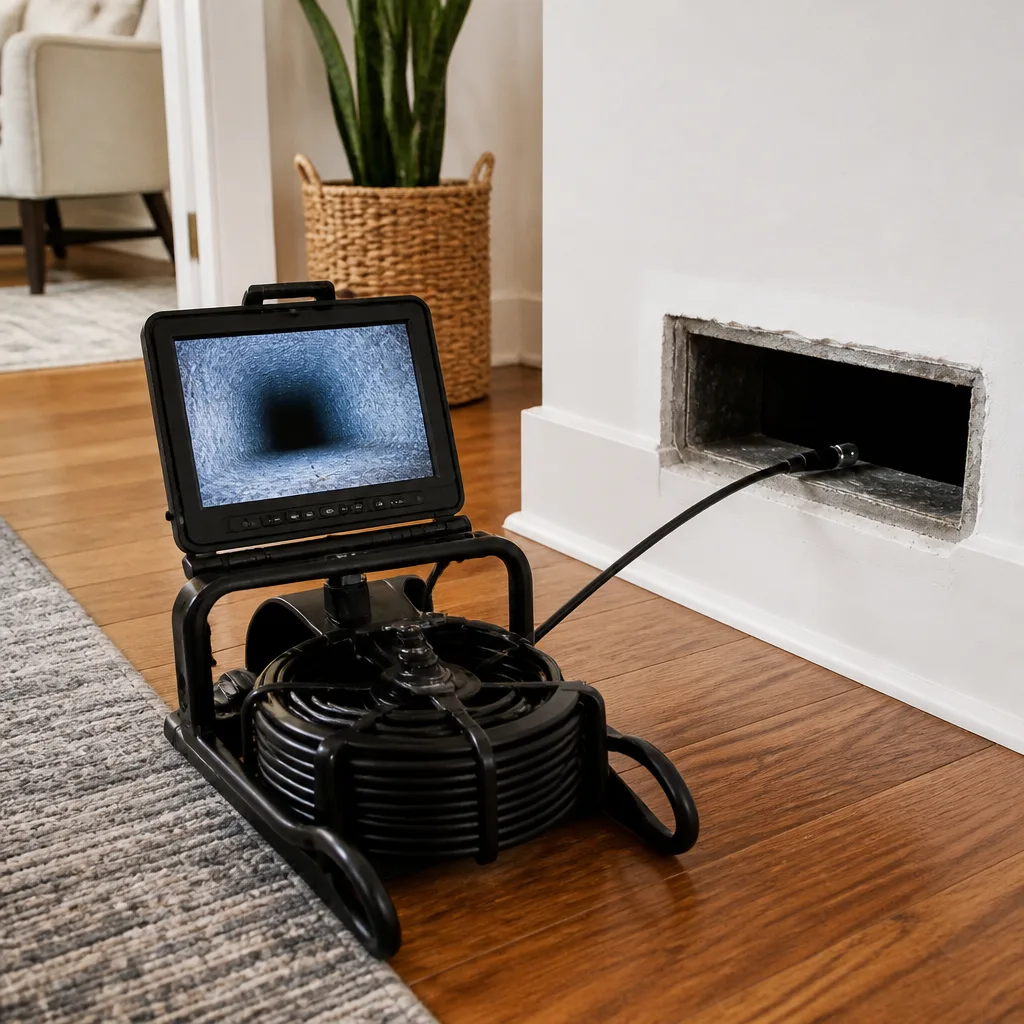 Camera inspection
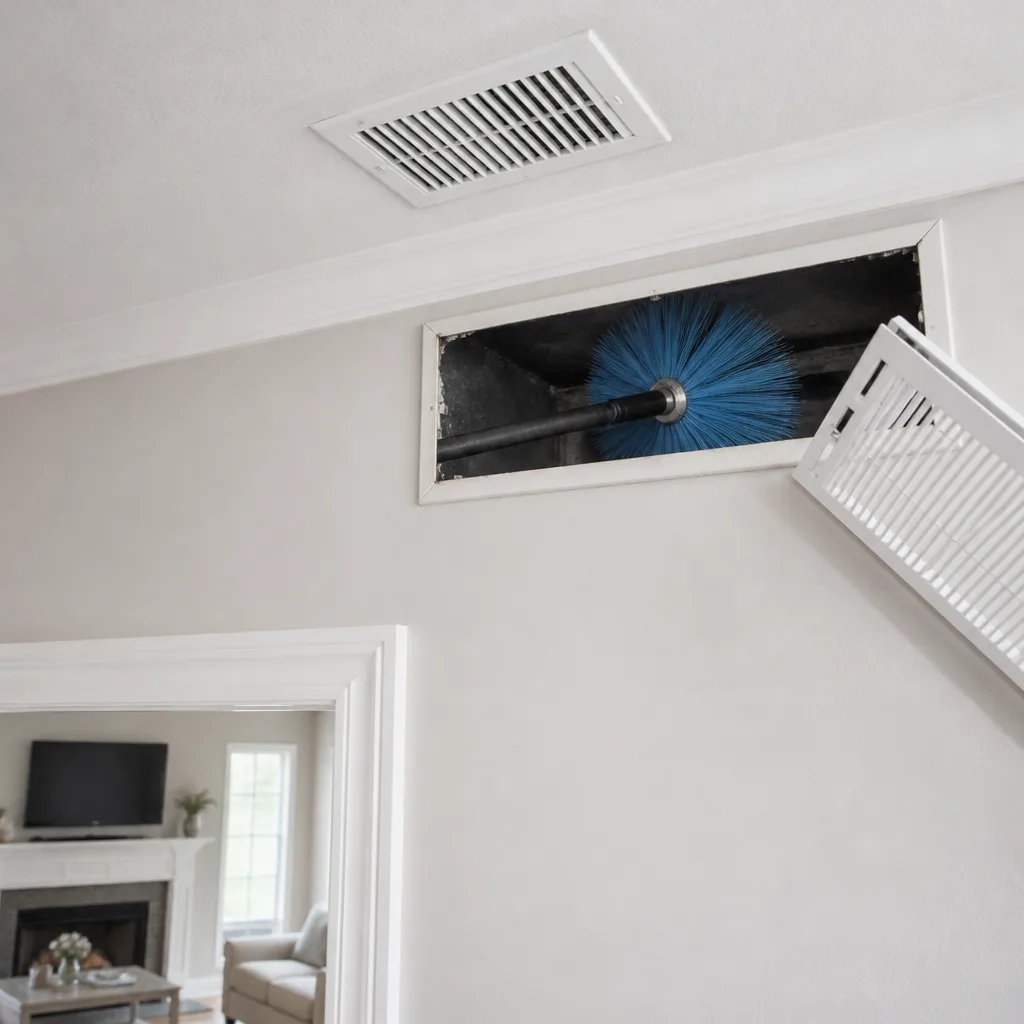 Sanitizing & deodorizing
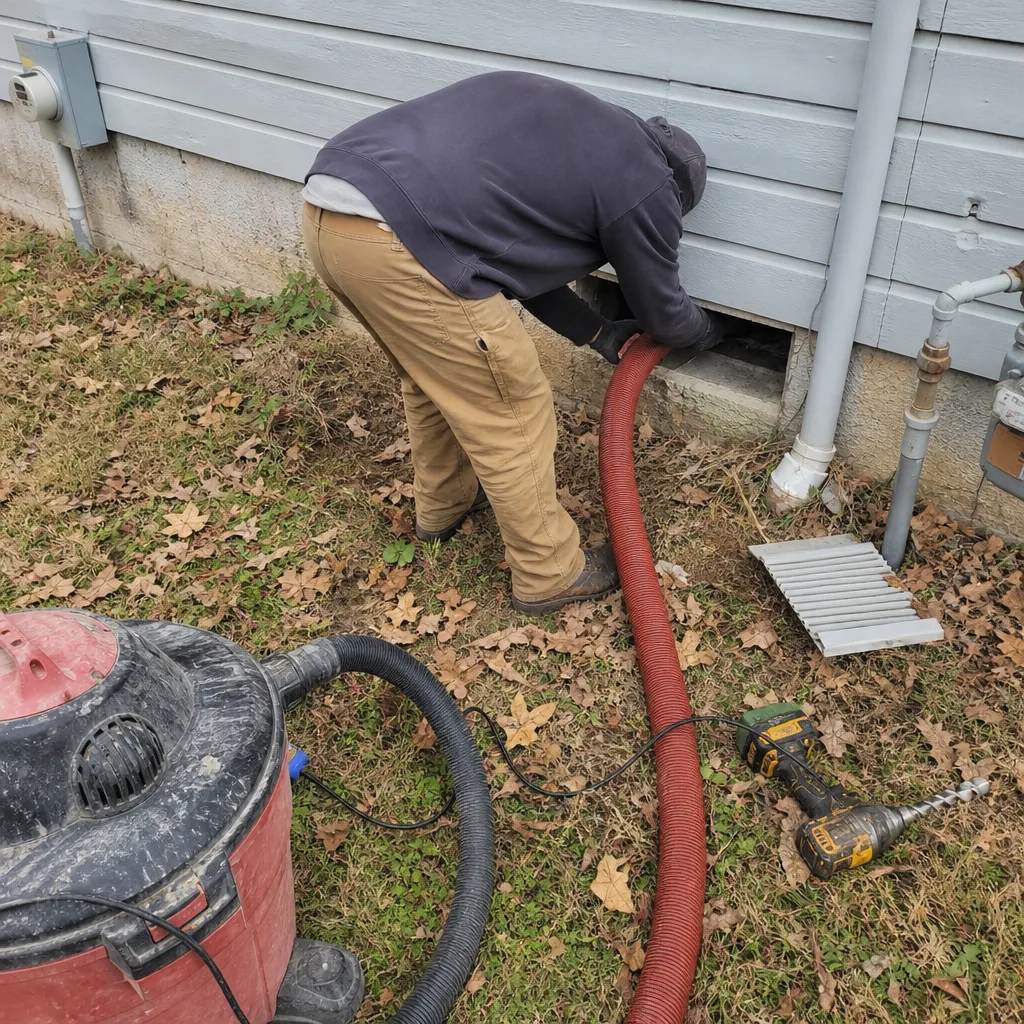
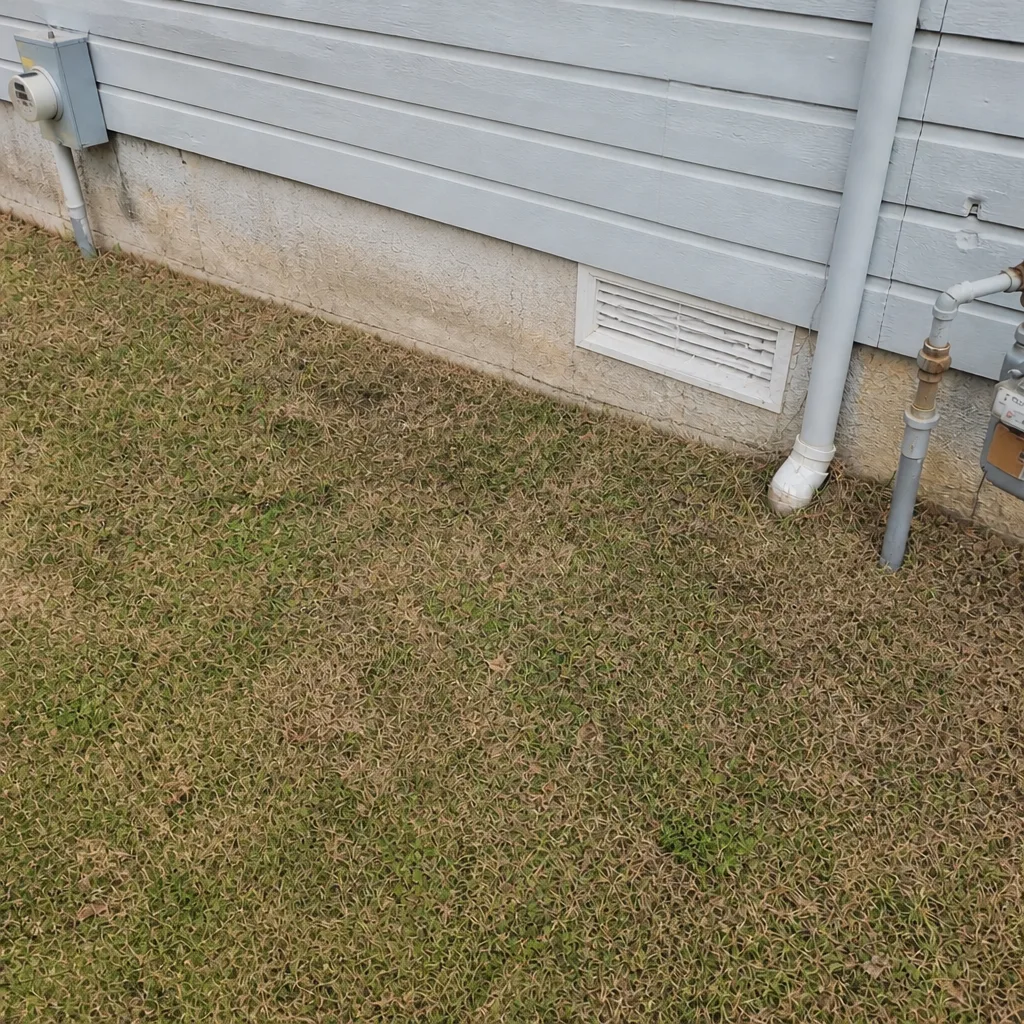
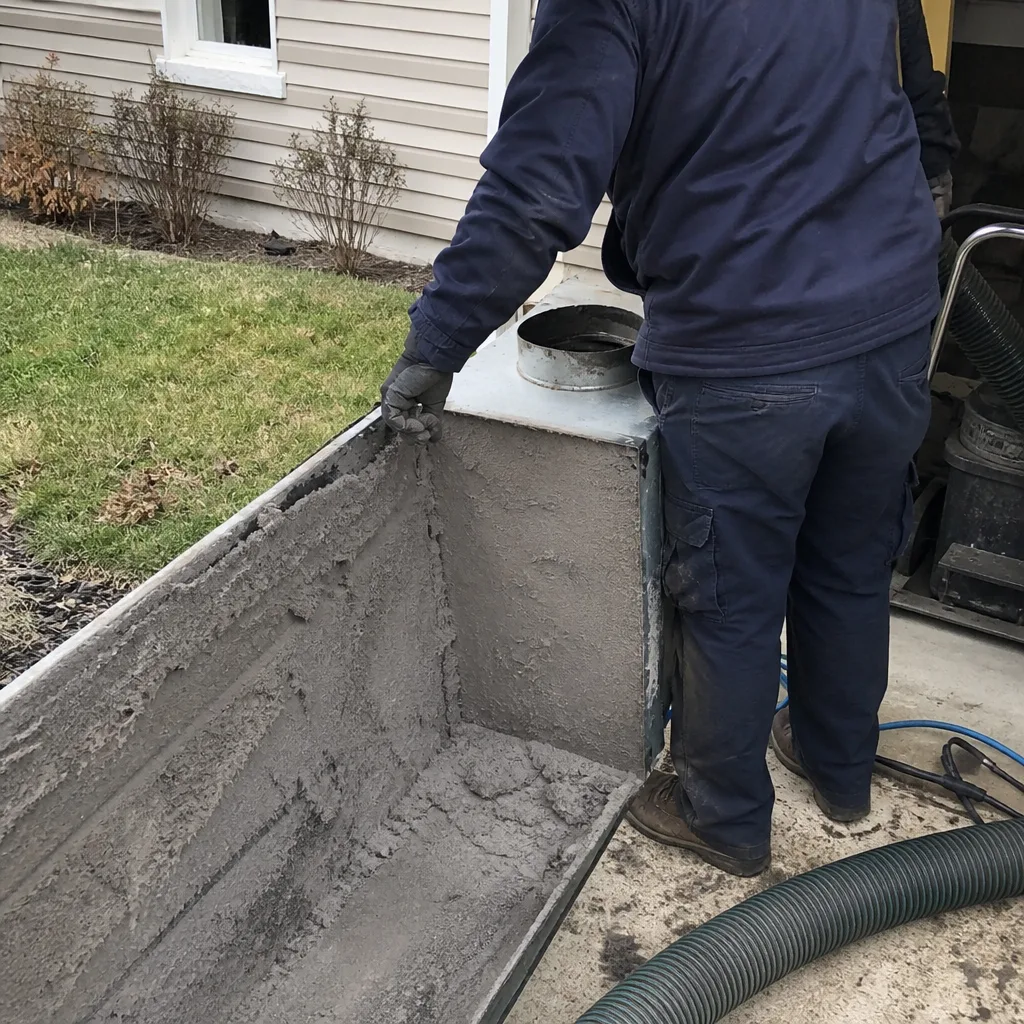
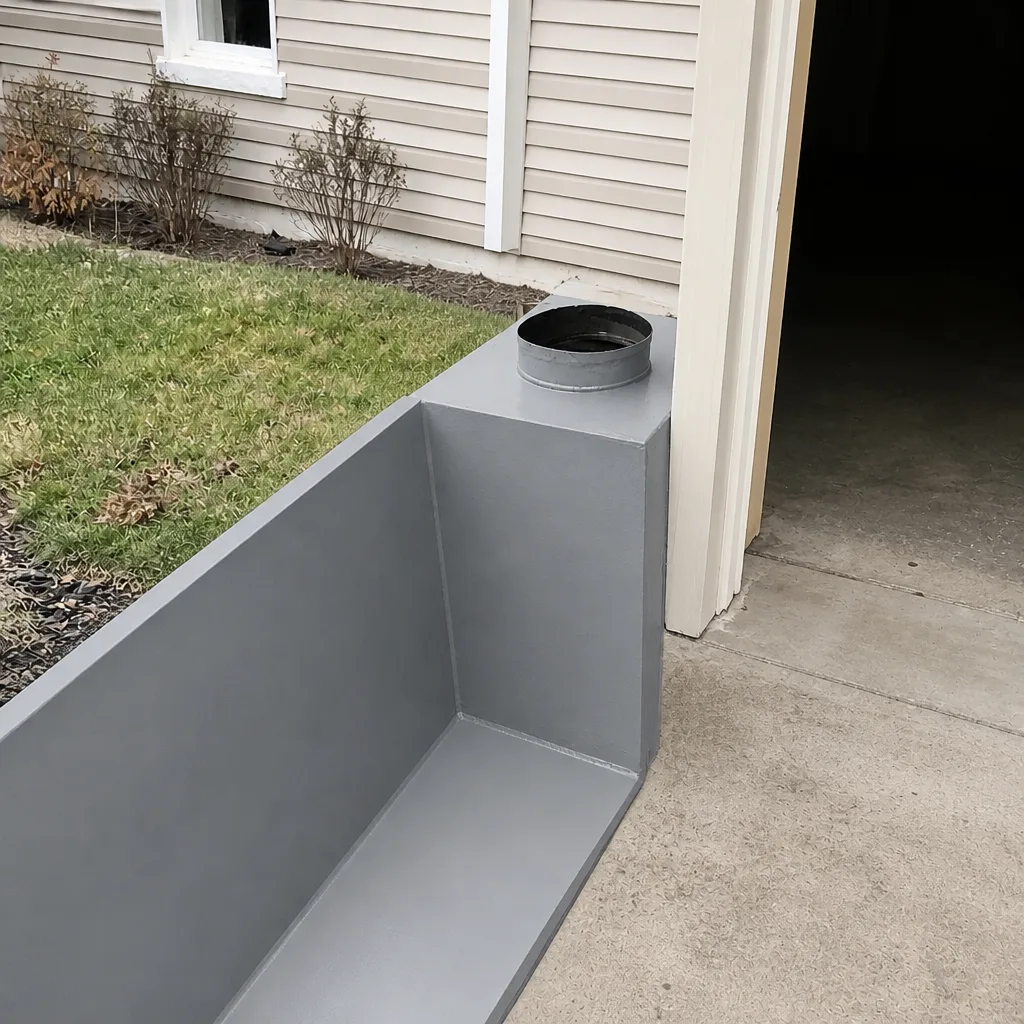
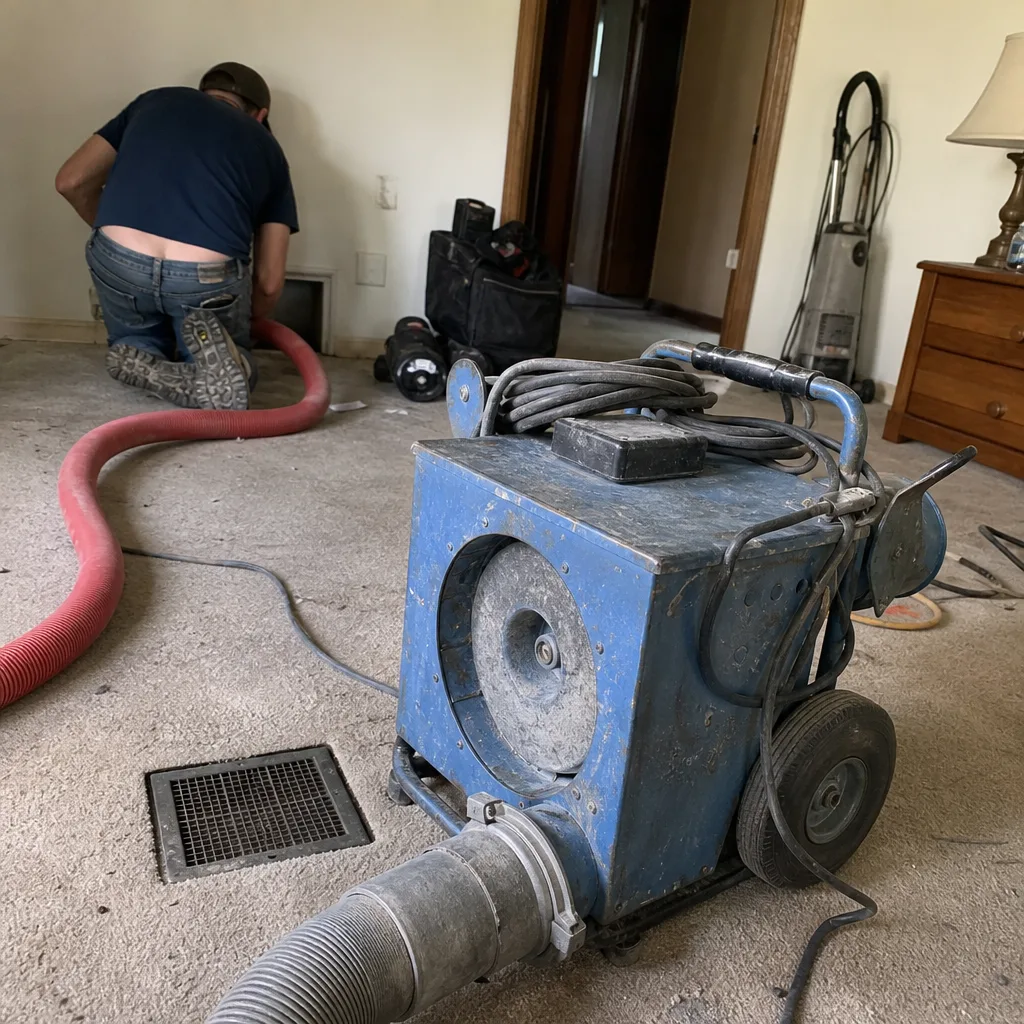
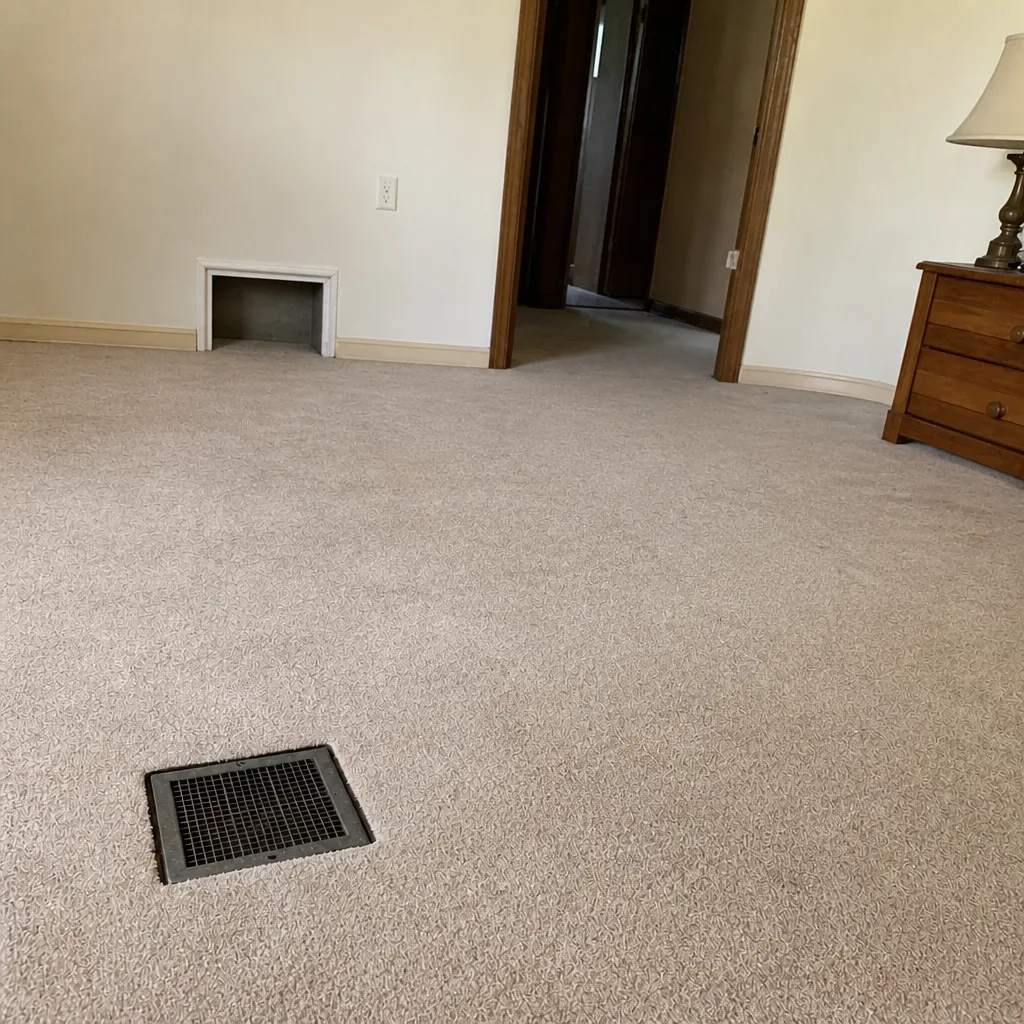
Whole-system duct and dryer vent check with before-and-after photos - you see exactly what came out of your vents
That "$99 whole-house special" is a bait ad - the real number appears once they are in your hallway, or the "clean" is a shop-vac at the register. We photograph the inside of your ducts before and after instead.
Air Duct Cleaning Troubleshooting in Bellevue: Common Problems and How to Fix Them
If your ducts still smell musty three weeks after a cleaning, the cleaning probably didn’t fail. The diagnosis did. A vacuum pass removes debris, but microbial growth, a disconnected joint, and a filter that’s bypassing its frame each need a completely different fix, and no amount of suction will solve the wrong one. This guide maps the complaints Bellevue homeowners describe to the failures that actually cause them, the tools that confirm each one, and what getting it right involves.
Quick Answer
Most air duct problems in Bellevue fall into four categories: debris accumulation, a breach or disconnected joint, microbial growth, and blockage. Each produces different symptoms and needs a different fix. A borescope camera inspection before any cleaning decision is what separates a real repair from a guess.
Styles & brands we work with
- Whole-home duct cleaning
- Dryer vent cleaning
- Camera inspection
- Sanitizing & deodorizing
Table of Contents
- The Symptom-to-Cause Map: What Your Complaint Is Telling You
- Musty Odor After Cleaning: Mold, Debris, or a Dead Animal?
- Why Is Airflow Uneven After a Cleaning?
- Why Does Dust Reappear at the Vents Within Days?
- Pinpointing a Blockage: Supply, Return, or Main Trunk?
- The Borescope Inspection: The First Step Before Any Cleaning
- What Proper Equipment Changes About the Job
- When to Call a Professional
The Symptom-to-Cause Map: What Your Complaint Is Telling You
Almost every duct complaint we hear in Bellevue fits one of four failure categories. The symptom you notice points toward which one, and the fix for each is different enough that guessing is expensive. Here’s how the mapping works in practice.
- Musty or earthy smell that returns after cleaning – microbial growth on duct surfaces and insulation, not loose debris. Needs sanitizing after mechanical cleaning, not just suction.
- Uneven airflow room to room, or a room that won’t condition – a breach, disconnected joint, or crushed flex run. Needs a pressure test and a physical repair.
- Dust settling on furniture and vent faces within days – filter bypass or a poorly seated filter frame, not duct re-contamination.
- Weak airflow at every vent, or a system that short-cycles – a blockage, often in the main trunk or at the return.
Two of these categories can look identical from the vent. A dirty system and a leaking system both cause discomfort, but a cleaning fixes only one of them. That’s why a diagnostic step comes before the cleaning step. The Bellevue housing mix, from older single-story homes with rigid metal trunk lines to newer builds with long flex runs in the attic, puts different stress on the ductwork and changes which failure shows up first.
Before you book anything, write down which rooms are affected, when the symptom shows up (all year or only in heating or cooling season), and whether anything changed recently. That three-line description gets a technician to the right test faster than any phone assessment.
Musty Odor After Cleaning: Mold, Debris, or a Dead Animal?
A musty smell that survives a cleaning is the single most common troubleshooting complaint we get, and it almost always means the fix was aimed at the wrong cause. Odor from debris, odor from microbial growth, and odor from a dead animal smell different and live in different places. Tell them apart and you stop paying for cleanings that were never going to work.
Debris odor is dry, dusty, and faint. It comes from accumulated dust, pet hair, and construction residue sitting in the ducts, and it gets stronger when the system first kicks on. Mechanical cleaning is the correct fix.
Microbial odor is damp and earthy, like a wet basement. It gets worse in humid weather and in Bellevue’s warmer months when the air conditioner runs hard and condensation forms on cold coil surfaces. Growth collects on insulation and on the liner of flex duct, which a vacuum pass doesn’t remove. The fix is mechanical cleaning followed by a sanitizing treatment, and it needs to address the coil and drain pan too, not just the ducts.
Animal odor is sharper and more localized, often strongest near one room or one return. A dead animal in a duct or in the return plenum leaves a smell that no cleaning is going to mask. The carcass has to be located and removed first.
The diagnostic tool for all three is a borescope camera. It shows the technician whether the duct interior is dry and dusty, damp with visible growth, or carrying source material. That single inspection separates three different jobs, and it’s why we run one before deciding whether an air duct cleaning is even the right service.
One local note: Bellevue summers run humid, and a system that isn’t dehumidifying properly will feed growth in the ducts all season. A whole-home dehumidifier from a brand like Aprilaire addresses the moisture source, which the sanitizing step alone cannot. Cleaning and sanitizing treats the surface. Fixing the humidity fixes the reason it came back.
Why Is Airflow Uneven After a Cleaning?
If one or more rooms get weak airflow right after a cleaning, the cleaning didn’t cause the problem. It revealed one. Cleaning restores the duct interior to its designed cross-section, and if a room is still starved of air, the duct serving that room is leaking, crushed, or disconnected somewhere behind the wall or in the attic. More cleaning won’t fix it.
Here’s how a technician confirms a breach rather than guessing:
- Measure static pressure at the air handler. An unusually low reading across the blower suggests the system is losing air into a conditioned space, an attic, or a crawl space before the air reaches the vents.
- Map the runs from the plenum to each register. Follow every run from the supply plenum to identify which branch serves which room.
- Pressure-test individual runs to isolate the leaking section. A run that loses pressure is the breach.
- Inspect with a borescope camera at the joints and at the point where flex meets the boot, since those are the failure points most often missed.
In Bellevue, disconnected flex runs are common in homes where ductwork runs through an unconditioned attic. Heat cycling expands and contracts the duct, and a poorly taped joint separates over a few seasons. The symptom is a room that stays a few degrees off no matter what the thermostat says. It’s a repair problem, not a dirt problem, and it’s why we can seal a leak on the same visit instead of leaving a homeowner to find a second contractor.
Uneven airflow is worth fixing even when a room feels acceptable. A leaky supply duct pulls attic air into the living space, and a leaky return pulls from wherever the gap happens to be. Sealing closes that loop, and on the same service you can handle HVAC cleaning so the coil and blower are addressed at the same time. One visit, complete air system beats two contractors and a scheduling problem.
Why Does Dust Reappear at the Vents Within Days?
Dust back on the vent faces within days of a cleaning is almost never re-contamination of the ducts. It’s filter bypass. The dust is being pulled around the edges of the filter instead of through it, or through a filter frame that isn’t sealed to the return plenum, and a fresh layer lands on the grille before the system has run for a week.
The tell is location. If dust is heaviest around the perimeter of the vent face and the filter slot has a visible gap or poorly fitted cardboard frame, bypass is the likely cause. Check these three things:
- Is the filter the right size for the slot? A filter that looks slightly small pulls air around its edges.
- Is the filter seated flat and square? A filter that’s been pushed in at an angle leaves a gap at one edge.
- Does the frame close against the duct? Return plenums are sometimes built with a filter grille that doesn’t seal, and the fix is a properly sealed filter cabinet.
The other common culprit in Bellevue is the filtration equipment itself. A whole-home air cleaner from Honeywell or Aprilaire is designed to catch a much finer range of particles than a 1-inch filter, but it only works if the media is the right size, seated properly, and replaced on schedule. If you have one of these systems and you’re still seeing dust settle on the vents, the media may be bypassing its cabinet, and that’s a check worth doing during the visit.
Dust problems also trace back to a house that’s under negative pressure. If the return system is undersized or a return duct leaks, the house pulls air from outside through every gap in the envelope, bringing dust in with it. Sealing and sizing the returns fixes the why, not just the what.
What you should expect after a proper cleaning: the vents stay clean for weeks, not days. If they don’t, the cleaning was fine and the filter system is the problem, and that’s a diagnosis, not a re-cleaning.
Pinpointing a Blockage: Supply, Return, or Main Trunk?
A blockage and a leak can feel similar, but a blockage shows up as weak airflow everywhere the blockage sits downstream, while a leak starves one branch. Which rooms are affected tells a technician where to look before anyone climbs into an attic.
One room weak, everything else fine. The blockage is in the branch run serving that room. A collapsed flex section, a crushed takeoff, or debris pushed into a run during previous work will do it.
One side of the house weak, the other side fine. The blockage is in the main trunk after it splits, or in a run feeding several registers. This is the pattern a borescope confirms in a few minutes.
Whole house weak, system runs long, air feels thin at every vent. The blockage is at the return or at the air handler itself. A restricted return filter, a closed damper, or debris in the return plenum will starve the whole system.
The confirmation step is a pressure reading at the air handler combined with a camera pass down the suspected trunk. Static pressure that’s high on the supply side with weak register flow points to a restriction downstream. Static pressure that’s low on the return side points to a return restriction.
Bellevue homes built in the last two decades often have flex duct runs laid loosely in the attic, and a section that gets stepped on during roof or attic work can stay crushed for years. The symptom is a room that never quite conditions, and it’s easy to blame the equipment. It’s a duct problem, and it’s fixable in place during a duct repair and sealing visit. Airflow imbalance is one of the most under-diagnosed comfort issues in Bellevue, and it rarely requires replacing the system, just finding and opening the blockage.
The Borescope Inspection: The First Step Before Any Cleaning
A borescope camera inspection is the one diagnostic step that should come before any cleaning decision, and it’s the difference between a targeted repair and a guess. A borescope is a camera on a flexible shaft that goes into a return, a supply register, or the plenum and shows the technician the actual duct interior on a screen. Before that camera goes in, everything is assumption.
What the inspection answers:
- Is there debris, growth, or a physical obstruction? The camera shows which one, and that determines whether cleaning, sanitizing, or repair is the right service.
- Are the joints and connections intact? Disconnected flex, torn liner, and separated joints are visible and confirmable.
- Is the duct interior dry or damp? Damp ductwork raises the microbial question and points to a moisture source that needs fixing.
- Is the blockage where the pressure readings suggested? The camera confirms or rules out the location before anyone cuts into a ceiling or crawls an attic.
The inspection also documents condition. Before-and-after photos of your own ducts are the proof that a job was done thoroughly, and the before-photo of a compromised section is what turns an abstract recommendation into an obvious repair.
We bring professional-grade equipment to the job, including Abatement Technologies air filtration and negative-air tools that hold HEPA-level containment during cleaning so dust and particles don’t spread through the house. In our experience across Bellevue, the borescope is the step homeowners appreciate most, because it turns “your ducts need cleaning” from a claim into a picture they can look at.
What Proper Equipment Changes About the Job
The equipment on the job is the difference between a thorough cleaning and a surface pass, and it’s the part of a quote that’s easiest to hide. The same job done with consumer-grade vacuums and low-powered portables leaves debris and contamination in place while the invoice reads “duct cleaning.” The right comparison is tools and process, not price.
Here’s what professional-grade equipment actually changes:
- Rotobrush and Nikro systems are the duct cleaning tools commercial contractors and restoration specialists use. They agitate the duct surfaces and pull material through a contained vacuum instead of stirring it loose. They work on the full length of a run, not just the first few feet behind the vent.
- Abatement Technologies negative-air and HEPA filtration holds particulate containment during cleaning, protecting the living space from cross-contamination while the job is underway. That’s remediation-grade containment brought to residential duct cleaning.
- Whole-home air quality equipment from Aprilaire and Honeywell gets cleaned and assessed as part of the same service. If you have a media cabinet, air cleaner, or humidifier tied into the system, it needs cleaning and a check during the visit, not a separate appointment.
A complete visit in Bellevue covers the full system: supply ducts, returns, registers, grilles, the plenum, and the air handler. That’s what “One visit, complete air system” means in practice. Rubber-glove over a vent and calling it cleaned doesn’t get there, and no amount of equipment compensates for a diagnosis that skipped the camera.
We treat the equipment as a process claim, not a sales line. If a technician can’t tell you which tools are going into the system and whether a camera inspection comes first, that’s the signal to ask more questions. Dryer vent cleaning on the same visit is worth asking about, because lint buildup in a dryer vent is a fire risk that a ducts-only crew won’t address.
Common Mistakes to Avoid
- Booking a cleaning before a diagnosis. If the symptom is odor, uneven airflow, or dust returning, the right first step is a camera inspection. Cleaning first and diagnosing after is how homeowners end up paying twice.
- Treating mold with a vacuum pass. Microbial growth on duct insulation and flex liner needs cleaning followed by sanitizing, and the moisture source behind it needs fixing. Suction alone doesn’t remove growth from a porous surface, and it comes back.
- Assuming the filter is doing its job. A filter that’s the wrong size, pushed in at an angle, or sitting in an unsealed frame bypasses air around its edges. That’s the usual cause of dust reappearing at the vents within days, and a properly sealed cabinet is the fix.
- Ignoring uneven airflow because the cleaning “just happened.” A room that doesn’t condition after a cleaning points to a breach or blockage. Bellevue attics get hot, flex duct connectors separate, and a pressure test finds it. Waiting a season doesn’t fix it.
- Hiring on price alone in Bellevue. The lowest quote is often a single-pass vacuum with no camera, no containment, and no repair capability. The tools used are the thing you’re buying, and a quote that doesn’t name them is a quote worth passing on.
- Having ducts cleaned but leaving the dryer vent untouched. A clogged dryer vent is a fire risk independent of the duct system, and it’s inexpensive to address on the same visit.
- Assuming a cleaning is the fix for a leak. A disconnected supply duct pulls attic air into the house no matter how clean the duct is. The leak has to be sealed, and we repair and seal ductwork in-house so it doesn’t become a second call to a second contractor.
See the difference
 Before
 After
 Before
 After
 Before
 After
When to Call a Professional
Some duct problems are safe to check yourself: a filter that’s the wrong size, a vent face that’s visibly loose, or a return grille that’s blocked by furniture. Beyond that, duct interiors, plenums, and attic runs need a camera and trades experience. Call a professional when the symptom is odor that returns after cleaning, airflow that’s uneven room to room, dust that reappears within days, or a system that runs long without keeping up. Call immediately if you suspect a disconnected supply duct in an unconditioned attic, because that’s a comfort and air quality problem at the same time. Air Duct Cleaning Bellevue offers free estimates in Bellevue. Call (877) 560-9584. We answer 24/7, with fast dispatch from 7am to 7pm, Sunday through Friday.
Frequently Asked Questions
For a typical Bellevue home, whole-system air duct cleaning generally runs in the several-hundred-dollar range depending on the number of runs, system size, and whether sanitizing or duct repair is included. We price per system, not per vent, so the quote you get is the quote you pay, and the written estimate sets the final price. One flat price per system is agreed before work starts, with no per-vent charging and no surprise items added on site. Call (877) 560-9584 for an exact quote. Estimates are free.
Cheaper quotes usually cut the equipment, the diagnosis, or the coverage. A low number often reflects a single-pass portable vacuum with no camera inspection, no HEPA containment, and no repair capability, which is a different job than a full-system clean with Rotobrush or Nikro equipment and Abatement Technologies containment. We give you one flat price per system agreed before work starts and before-and-after photos of your own ducts so you can see what was done. Call (877) 560-9584 for a free estimate and a clear scope.
Ask for before-and-after photos of your own ducts, taken during the visit. A borescope camera inspection before cleaning and photo documentation after is the proof that the job happened and that the right problem was addressed. If a company can’t show you images of your own system, that’s a reason to keep asking questions. We document the before and after on every job. Call (877) 560-9584 to schedule a free estimate.
There’s no fixed schedule that fits every Bellevue home, and the honest answer depends on the house. Homes with pets, recent renovation dust, allergy concerns, or visible debris at the registers tend to need it more often than a home with clean registers and a well-sealed filtration system. The better question is whether there’s a symptom, and a camera inspection answers that in minutes. Call (877) 560-9584 for a free estimate and a look at your system.
Yes. We offer duct repair and sealing in-house, so a breach, disconnected joint, or crushed run found during a cleaning gets addressed on the same visit instead of handed off to another contractor. That’s part of what we mean by one visit, complete air system. If the repair is larger than expected, the written estimate sets the price before any additional work begins. Call (877) 560-9584 for a free estimate.
No. A musty smell that returns after a cleaning usually means the cause wasn’t debris, but microbial growth on duct surfaces or a moisture problem in the system. Bellevue’s humid summers feed growth in ductwork when the AC runs hard. The right response is a camera inspection, then cleaning followed by sanitizing if growth is confirmed, plus a check on the coil, drain pan, and humidity control. Call (877) 560-9584 for a free estimate.
The Bottom Line
Most duct problems that survive a cleaning weren’t duct-cleaning problems to begin with. Odor points to growth, moisture, or a source the vacuum couldn’t reach. Uneven airflow points to a breach or blockage, and a pressure test finds it. Dust at the vents within days points to filter bypass, not dirty ducts. The borescope inspection sorts those apart, and the diagnosis comes before the cleaning, every time. If you’re ready to stop guessing, call Air Duct Cleaning Bellevue at (877) 560-9584 for a free estimate. We bring professional-grade equipment, a camera-first process, and the ability to repair what we find, all on the same visit. Our technicians have up to 11 years of experience, and we’re glad to walk you through what’s happening in your Bellevue home and what fixes it.
Written by the team at Air Duct Cleaning Bellevue.