
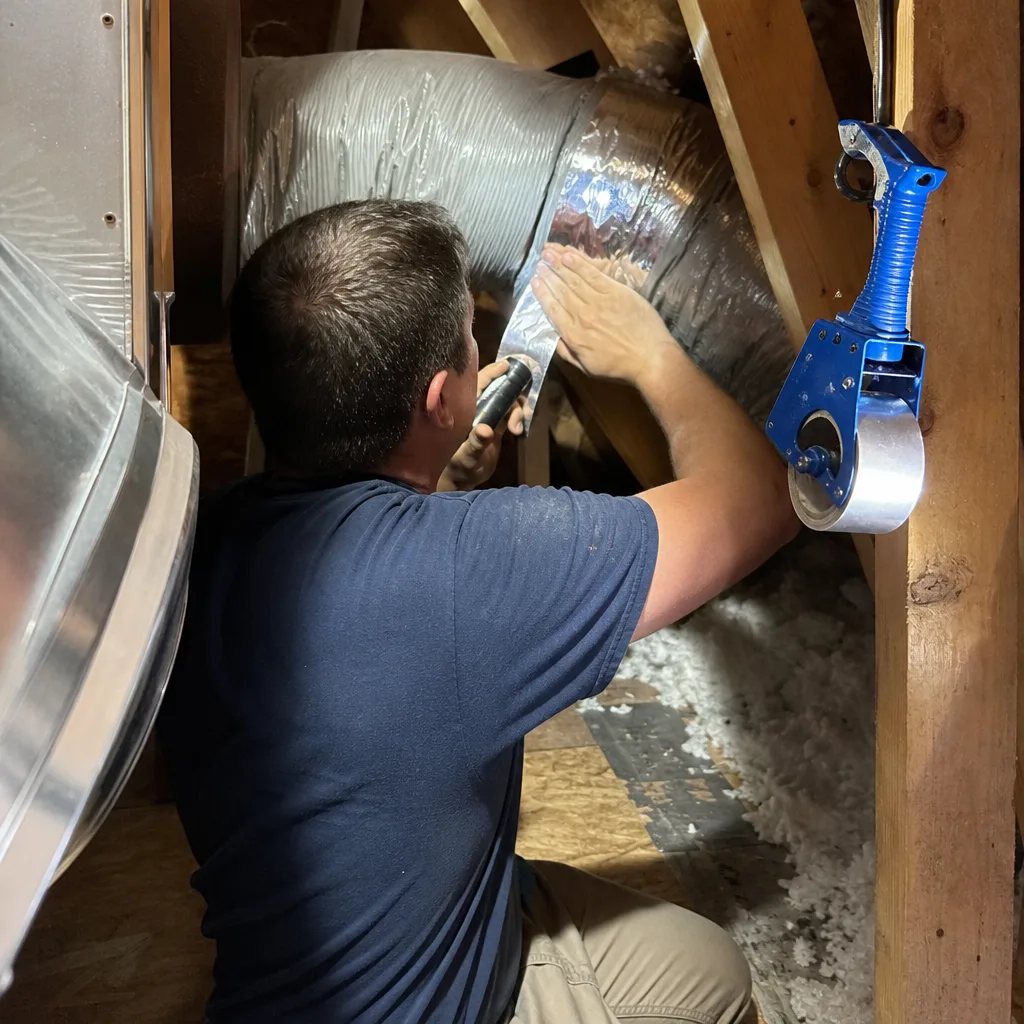
Last updated November 22, 2026
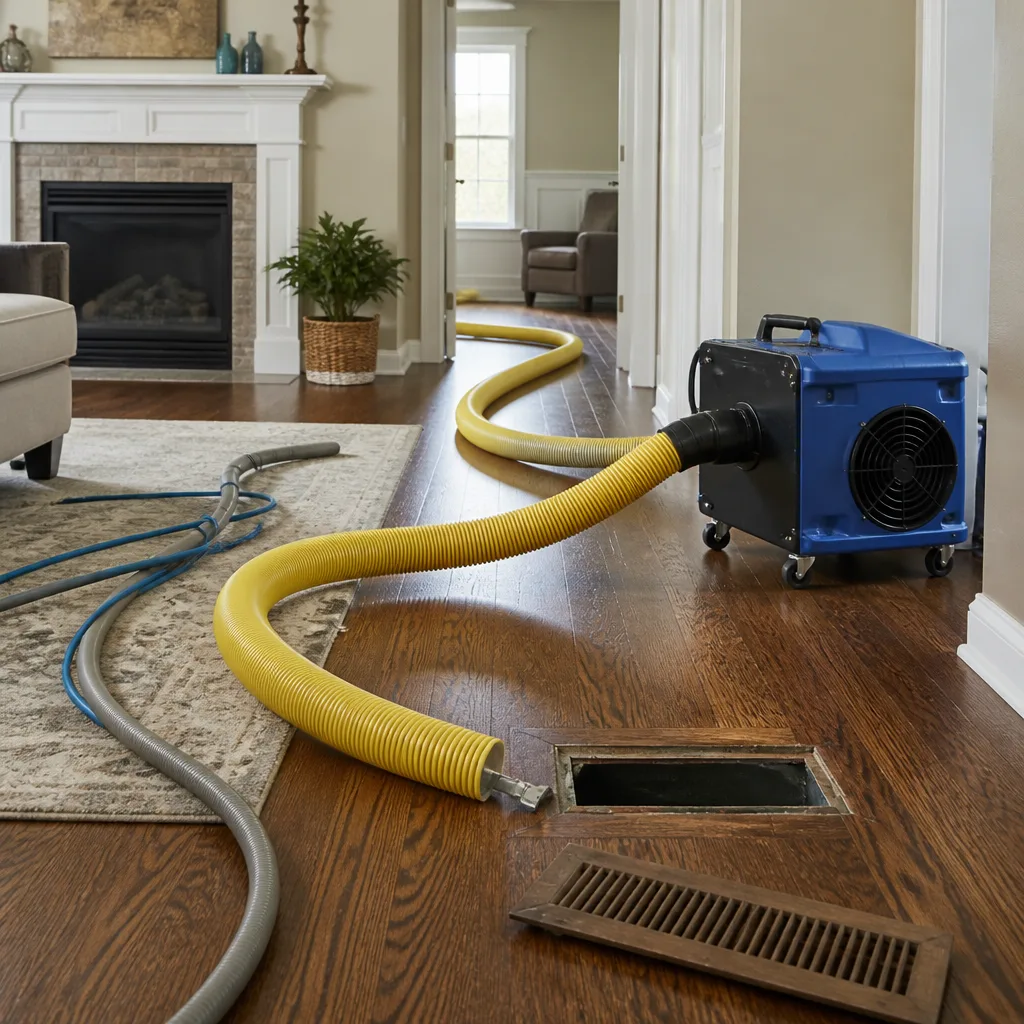 Whole-home duct cleaning
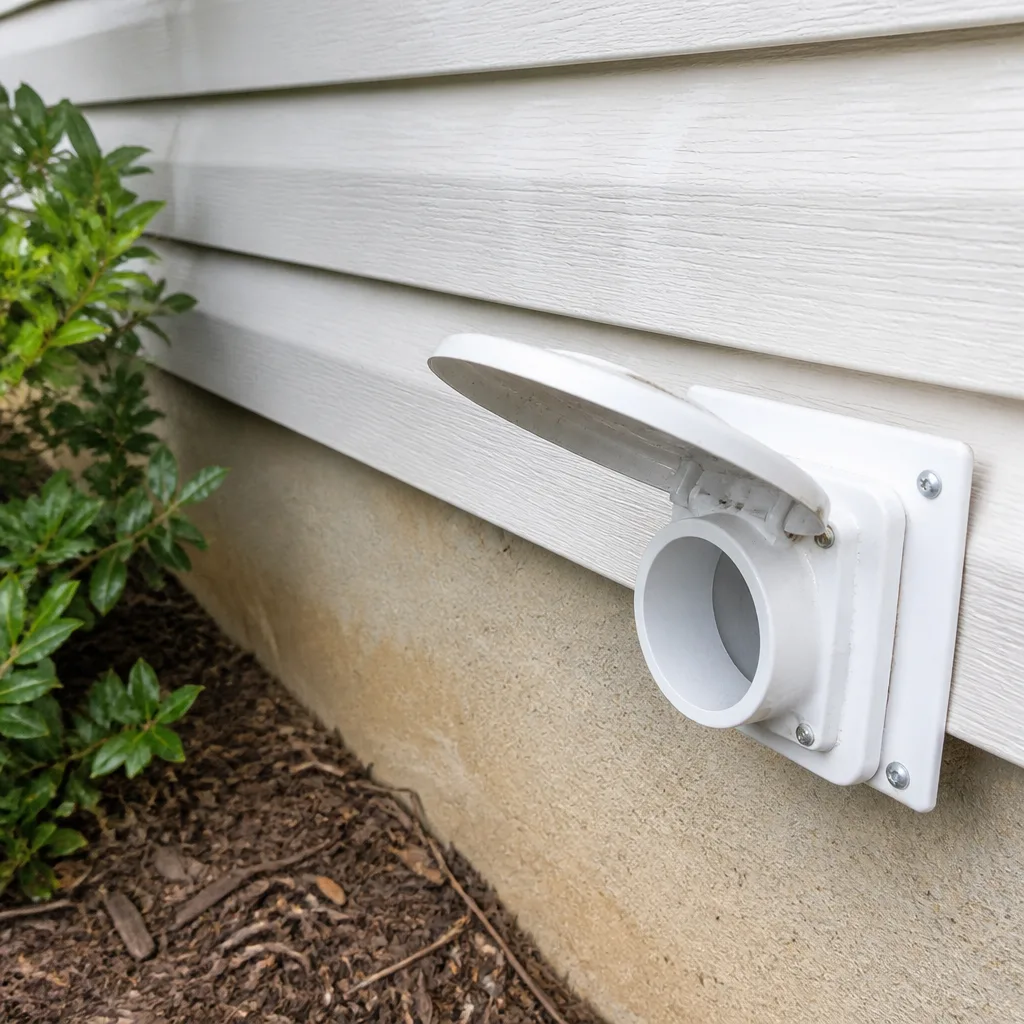 Dryer vent cleaning
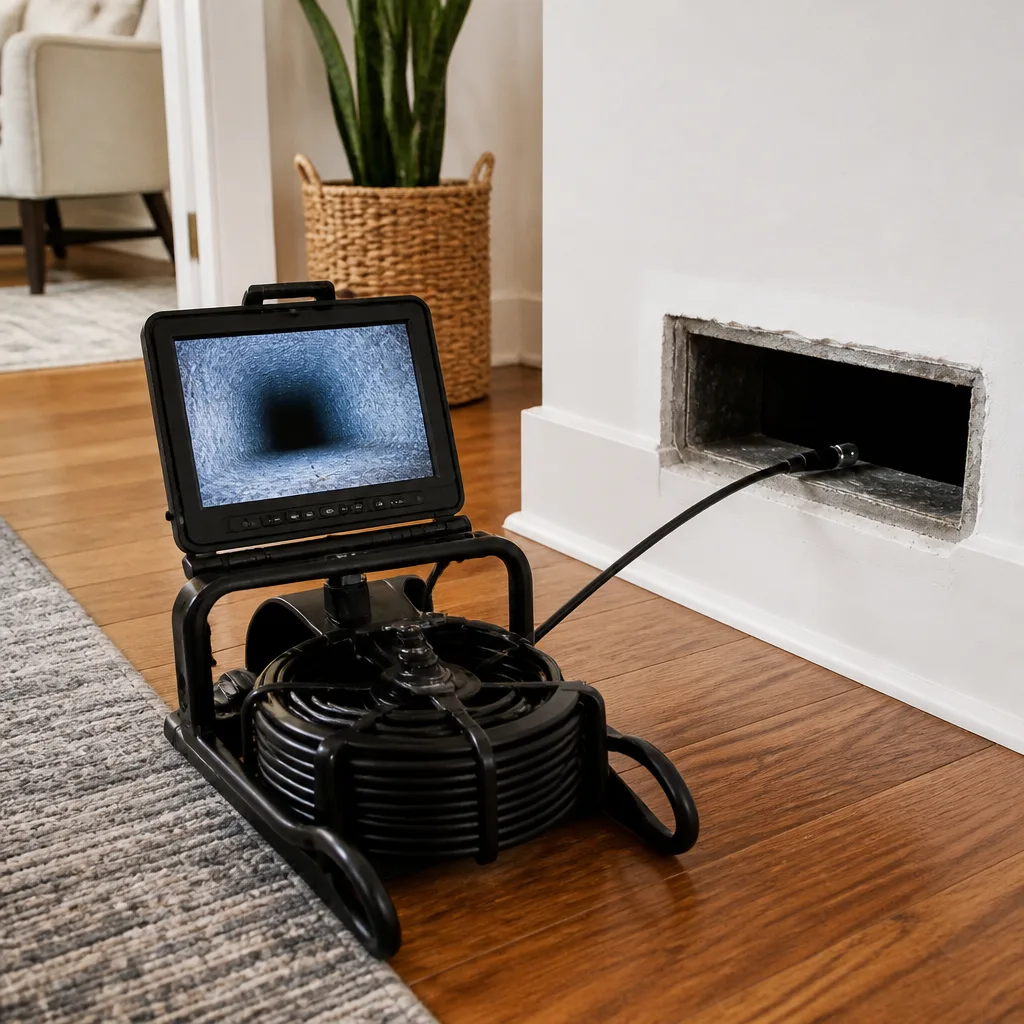 Camera inspection
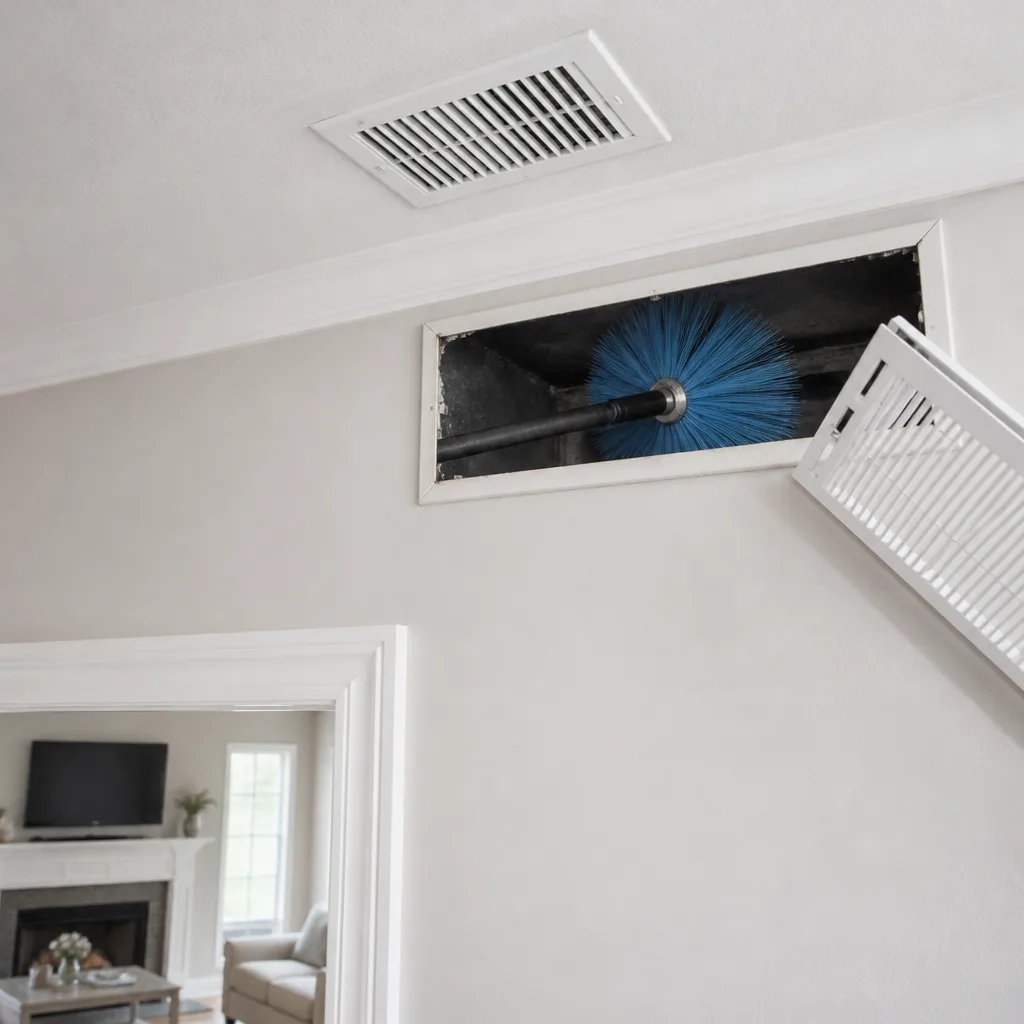 Sanitizing & deodorizing
Whole-system duct and dryer vent check with before-and-after photos - you see exactly what came out of your vents
That "$99 whole-house special" is a bait ad - the real number appears once they are in your hallway, or the "clean" is a shop-vac at the register. We photograph the inside of your ducts before and after instead.
The Complete Guide to Air Duct Cleaning in Bellevue
Most people assume air duct cleaning is one step: a big vacuum attaches to a register, the machine roars for twenty minutes, and the job is done. That picture is wrong, and it’s why so many homeowners pay for a service and see no change in their dust, allergies, or energy bills. The EPA has said plainly that duct cleaning has never been proven to prevent health problems, and there’s a reason for that caveat: surface vacuuming without full-system negative pressure doesn’t pull out what’s bonded to the duct lining. The method matters more than the service itself. This guide walks through the real mechanical sequence, what Bellevue’s humidity does to duct interiors, and how to tell a complete job from a rushed one.
Quick Answer
A complete air duct cleaning in Bellevue is a sequenced multi-phase process, not a single vacuum pass: inspection, access point creation, negative pressure containment, mechanical agitation with rotary brushes or air whips, HEPA collection, sanitizing, and sealing the access points back up. It should cover supply ducts, return ducts, the air handler, coil housing, and drain pan, and it should end with verification such as before-and-after photos or a camera inspection. If a quote describes only “vacuuming the vents,” it isn’t the same service.
Styles & brands we work with
- Whole-home duct cleaning
- Dryer vent cleaning
- Camera inspection
- Sanitizing & deodorizing
Table of Contents
- What a Complete Air Duct Cleaning Actually Involves
- The Mechanical Sequence, Step by Step
- Why Bellevue’s Humidity Changes What a Clean Needs to Include
- The Equipment That Separates a Real Job From a Vacuum-Only Visit
- Full-System Scope: What Beyond the Registers Gets Cleaned
- How to Verify the Work Was Actually Done
- Duct Repair and Sealing: Closing the Loop After Cleaning
- How Often Ducts Really Need Cleaning
What a Complete Air Duct Cleaning Actually Involves
In our experience, the gap between a thorough job and a disappointing one comes down to whether the technician treats the duct system as one connected assembly or as a set of separate vents. Ducts are a loop. Air leaves the air handler through the supply side, enters rooms through registers, returns through return grilles, and comes back to the air handler to be conditioned again. Whatever collects on one side of that loop eventually moves through the whole thing. That’s why cleaning only the visible register area accomplishes very little: the dust you can reach was never the problem.
A complete cleaning in Bellevue addresses the entire loop. That means the trunk lines and branch runs on the supply side, the return plenum and return trunks, the air handler cabinet, the evaporator coil housing, and the drain pan beneath the coil. Each of those has its own cleaning method, because each holds a different kind of soil. Loose dust sits in the trunk lines. Sticky biofilm clings to the wet side around the coil. Debris and sometimes construction residue collect in the return drop.
Here’s what separates a complete service from a partial one:
- Every component gets opened and inspected. Registers, grilles, plenum connections, and the air handler are checked before any equipment runs.
- The system is put under negative pressure. Containment is established so loosened debris travels toward the collection unit instead of into living space.
- Duct interiors are mechanically agitated. Brushes or air whips scrub the duct walls; a vacuum alone can’t lift what’s bonded.
- The air handler and coil area are cleaned separately. These need gentler methods than the rigid duct runs.
- Access points are sealed when the job ends. A cleaning that leaves open holes in the ductwork is a new problem, not a solution.
You can see how this fits alongside the rest of our Air Duct Cleaning Bellevue work: the same full-system logic applies whether we’re cleaning ducts, the air handler, or a dryer vent.
The Mechanical Sequence, Step by Step
A proper cleaning follows a fixed order, and skipping a step undermines the ones that follow. Here is the sequence a professional-grade job should follow from start to finish.
- Inspection. The technician maps the system: how many trunks, how many returns, where the air handler sits, and whether any runs are crushed, disconnected, or flex duct that needs special handling. Any existing damage gets noted before cleaning begins, so it isn’t blamed on the cleaning later.
- Access point creation. Cleaning requires openings, usually cut into the trunk lines at strategic points. A crew that won’t cut access is limited to whatever the registers happen to expose. These openings get sealed at the end of the job.
- Negative pressure setup. A high-powered collection unit connects to the system and pulls the whole duct assembly into negative pressure. This is the step that keeps dislodged debris from drifting into rooms. It’s also the step cheap operations skip, because it requires real equipment.
- Rotary brush agitation. A rotating brush head travels the duct runs, scrubbing the interior walls and breaking loose the bonded layer. Air whips handle the runs a brush can’t navigate. Contact vacuuming finishes tight spots near the registers and plenum.
- HEPA collection. Everything loosened gets captured at HEPA-grade filtration. This matters most in older homes and in homes where anyone has respiratory sensitivity, because fine particulate is the fraction that stays airborne longest.
- Sanitizing. A sanitizing treatment goes on after the mechanical work, never before it, because applying it to a dirty duct seals soil in place. This is where humidity-driven biofilm gets addressed.
- Sealing access points. Every cut is closed and sealed, and the system is checked for leaks before the technician packs up.
Two of those steps deserve emphasis. Negative pressure and post-cleaning sealing are the two most commonly skipped, and they’re the two that determine whether the job actually improved anything. For a full picture of how the air handler side of this sequence works, our HVAC cleaning page goes deeper.
Why Bellevue’s Humidity Changes What a Clean Needs to Include
Bellevue sits in Middle Tennessee, and the summers here are humid in a way that shapes what collects inside ductwork. That’s not a small detail. In a dry climate, most duct soil is loose dust and lint. In a humid climate, that same dust becomes a food source for microbial growth the moment moisture is present. The result is biofilm: a sticky, living layer that bonds to duct walls and the coil housing and doesn’t respond to vacuuming at all.
Where does the moisture come from? Two places, mostly. The evaporator coil is wet by design during cooling season, and the drain pan beneath it stays damp. If condensate doesn’t drain properly, or if the system cycles off and sits damp, that area becomes the wettest part of the whole assembly. The second source is the return side, which pulls in household air carrying its own humidity. Over a long cooling season, the inside of the return trunks can stay slightly damp enough to support growth.
What this means practically for a Bellevue cleaning:
- Sanitizing isn’t optional here. Mechanical cleaning alone leaves the biofilm layer behind. A sanitizing treatment after agitation is what addresses it.
- The coil housing and drain pan need dedicated attention. These are the wettest components and the most likely to harbor growth.
- Drain pan condition matters. A pan that doesn’t drain fully keeps the system damp year after year. Cleaning it without checking drainage fixes nothing.
- Whole-home humidity control ties in. If your home runs an Aprilaire or Honeywell humidity system, it’s worth having it assessed during the same visit, since humidity is the root condition driving the growth.
Homes in Bellevue also tend to run their systems hard through a long cooling season and then switch to heating, which means the system rarely gets a long dry rest. That cycle keeps the wet-side components damp more of the year than homeowners expect. If you’ve noticed a musty smell when the air first kicks on, that’s the signature of biofilm on the wet side, not just dusty ducts.
The Equipment That Separates a Real Job From a Vacuum-Only Visit
Equipment is the clearest tell. A truck-mounted vacuum with a hose at the register is a legitimate tool, but on its own it does one thing: pull loose surface debris from the area near the register. It can’t scrub duct walls, and it can’t create true system-wide negative pressure. The distinction isn’t marketing. It’s mechanical.
Professional-grade cleaning relies on several tool types working together:
- Rotary brush systems drive a spinning brush head through the duct run, physically scrubbing the walls. This is what removes bonded soil. Rotobrush systems are the standard here, and they’re what commercial contractors use.
- Air whips use high-pressure air to sweep runs that a brush can’t navigate, such as tight turns and short branches.
- Contact vacuuming handles the places a brush can’t reach: plenum interiors, register boots, the air handler cabinet.
- HEPA and negative-air units capture fine particulate and hold the system under containment while work proceeds. Abatement Technologies equipment is remediation-grade gear, the same class used on mold and restoration jobs, and it’s what keeps a cleaning from spreading dust through the house.
Nikro equipment rounds out the professional side of the toolkit. The point isn’t the brand names; it’s the equipment class. Consumer-grade portable units and shop vacs can’t generate the airflow or the filtration these jobs require. When you compare quotes, ask what equipment will actually be used. A crew that can’t name its rotary brush system or its containment unit is telling you something. Our air duct cleaning service is built around this full professional toolkit, not a single vacuum.
Full-System Scope: What Beyond the Registers Gets Cleaned
The visible registers are maybe five percent of the system. If a cleaning quote describes only the vents, here’s what’s being left out:
- Supply ducts. The trunk lines and branch runs that carry conditioned air into rooms. These collect loose dust and, in humid conditions, biofilm on the walls.
- Return ducts. The return plenum and return trunks pull air back to the air handler. These often carry the heaviest soil load because they see more air volume and more household debris.
- Air handler cabinet. The metal box housing the blower and coil. Dust builds on the blower wheel and cabinet interior, and a dirty blower moves less air.
- Coil housing. The wet side. This is where biofilm forms and where a sanitizing treatment matters most.
- Drain pan. The pan under the coil collects condensate. If it’s not cleaned and checked for drainage, the system stays damp.
- Registers and grilles. The visible covers, which collect dust on the room-facing side and should be cleaned as part of the job.
That’s six components, and they should all appear on the scope of work. If your quote only mentions registers and “the ducts” in general terms, ask which of these is included. In Bellevue, where the cooling season keeps the wet side damp for months, the air handler, coil housing, and drain pan are the components most worth confirming.
A separate but related run is the dryer vent. Lint accumulation in a dryer vent is a fire risk, and it’s a different system from your HVAC ducts but often overlooked in the same way. Our dryer vent cleaning service addresses that run, and it’s worth scheduling alongside a duct cleaning if it hasn’t been done in a while.
How to Verify the Work Was Actually Done
You can’t see inside your ductwork, which is exactly why the bait-and-switch problem exists in this trade. The solution is verification, and a professional job builds it in. Ask for these before the technician leaves:
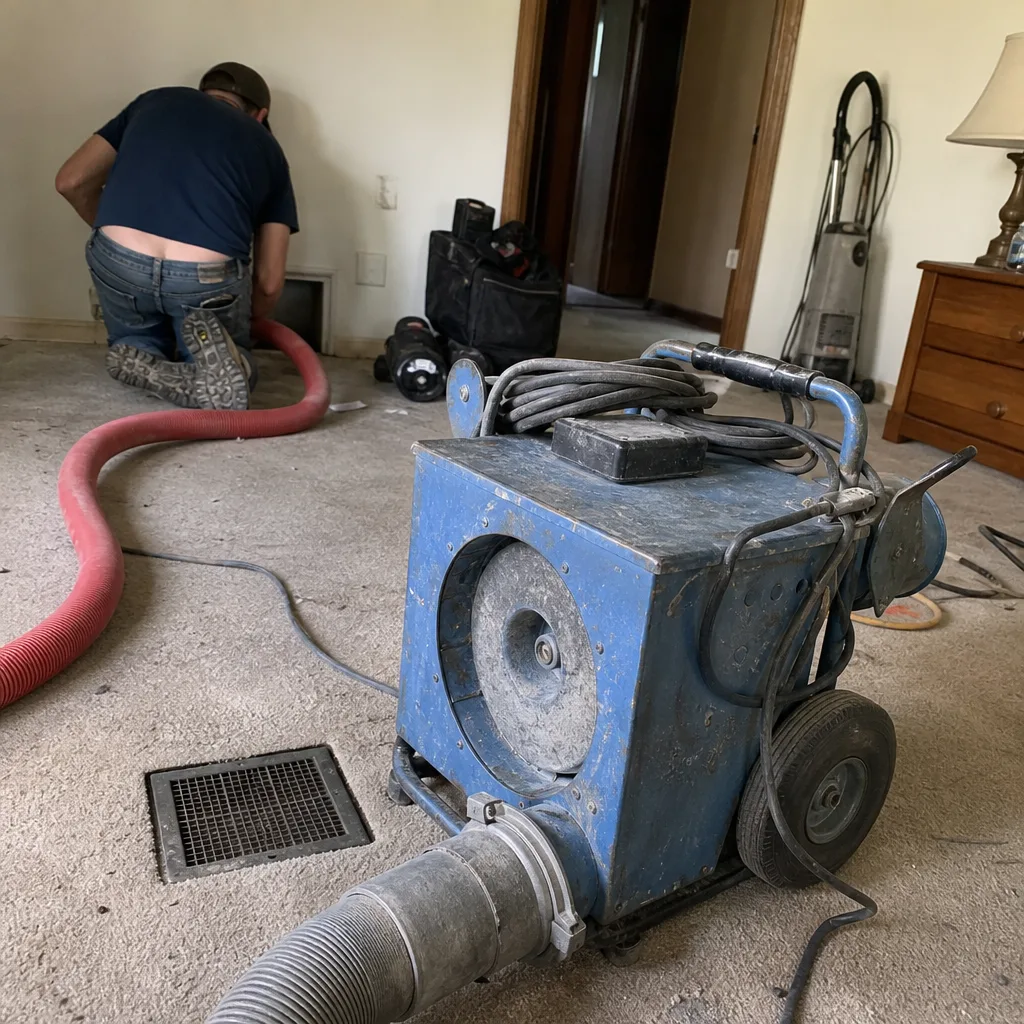
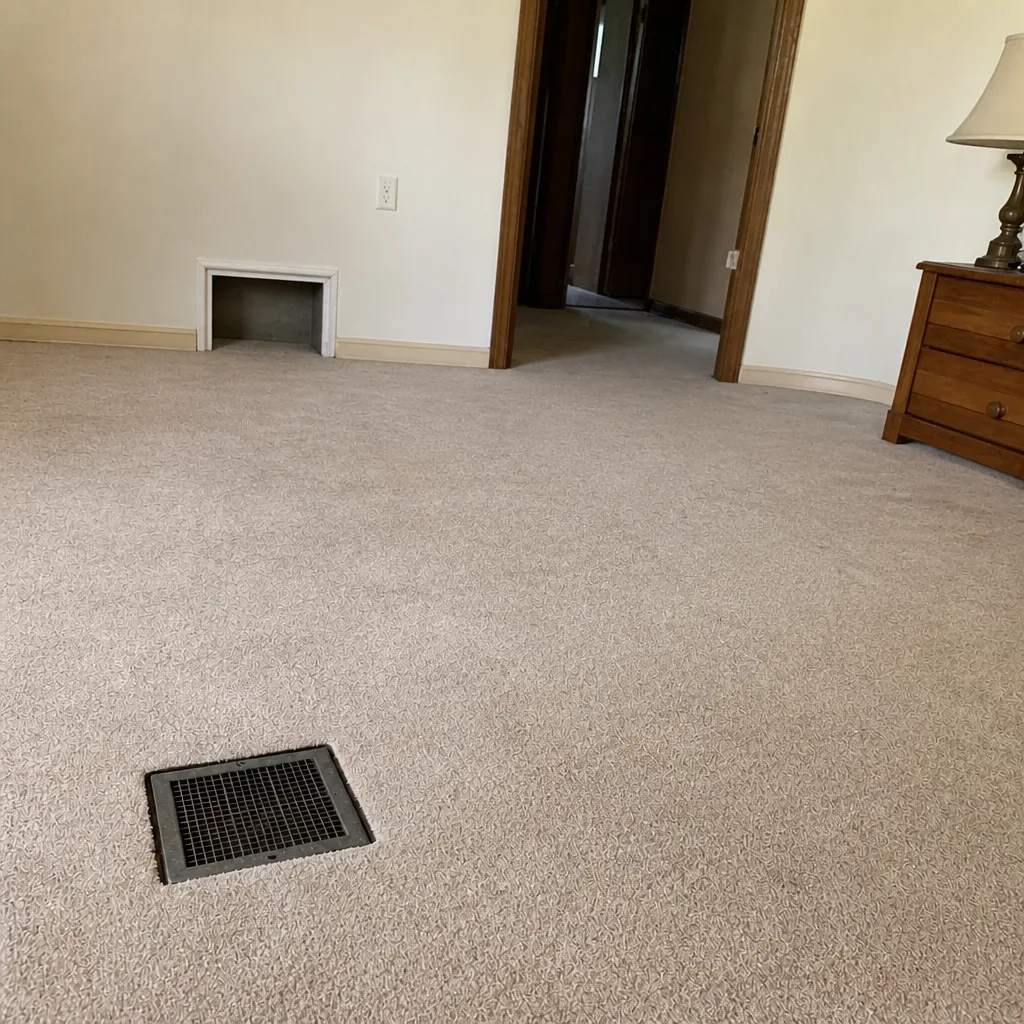
- Before-and-after photos. A crew that documents the duct interior before and after cleaning has nothing to hide. Photos should be of your ducts, not stock images.
- Camera inspection. A small camera fed through the duct shows the interior condition directly. This is the strongest verification available and worth requesting on the main trunk lines.
- Airflow readings. Static pressure or airflow measurements taken before and after show whether the cleaning changed how the system moves air.
- Access point sealing check. Walk the system with the technician and confirm every cut was sealed. Open access points leak air and defeat the purpose.
- A written summary of what was found. If damage, disconnected runs, or a leaking drain pan turned up, it should be noted in writing, not just mentioned verbally.
One flat price per system, agreed before work starts, plus before-and-after photos of your own ducts, is the standard we hold to. There’s no per-vent pricing and no coupon figure that turns into a bigger invoice on site. The written estimate sets the final price, and that’s the whole arrangement.
Duct Repair and Sealing: Closing the Loop After Cleaning
Cleaning often reveals problems that a cleaning-only provider can’t fix. Ducts get crushed, disconnected at joints, or torn at flex connections. Seams leak. In some homes, runs were added or modified and never sealed properly. When those issues turn up mid-job, the customer is left to find a second contractor, and the ductwork sits compromised in the meantime.
That’s why duct repair and sealing belong in the same visit as the cleaning. Leaky ducts waste conditioned air before it reaches the room, which shows up as uneven temperatures and higher bills. Crushed or disconnected runs starve rooms of airflow. Neither problem is fixed by vacuuming. Cleaning without repair leaves the system clean but still leaking; sealing without cleaning traps soil behind the seal. Done together, in the right order, you get a clean and tight system in one visit.
This is the difference between a cleaning service and a full-system indoor air specialist. We repair what we find rather than leaving it for someone else. If the inspection turns up damage, our technicians can address it on the spot, seal it, and verify the system holds pressure before finishing. That closes the loop: clean, sealed, and verified in one appointment.
How Often Ducts Really Need Cleaning
There’s no universal interval, and any company that gives you a fixed schedule without looking at your system is guessing. What actually determines the interval:
- Household conditions. Pets, smokers, recent remodeling, and anyone with respiratory sensitivity all shorten the interval.
- Visible evidence. Dust blowing from registers, a musty smell at startup, or visible buildup on the return grille means it’s due.
- System condition. A leaking or disconnected duct pulls in attic or crawlspace air and soils fast. Sealing it first changes the schedule.
- Humidity and wet-side condition. In Bellevue’s climate, damp coil housings and drain pans can support growth between cleanings, so the wet side deserves a look even when the ducts themselves seem fine.
- Recent renovation or move-in. Construction dust and previous occupants’ habits both leave residue worth clearing.
A reasonable approach is an inspection every few years, with cleaning scheduled based on what’s actually found. If your ducts were cleaned properly and the system is sealed and dry, they stay clean longer than a company selling annual cleanings will tell you.
Common Mistakes to Avoid
- Buying on price alone. The cheapest quote is often a vacuum-only pass with no containment and no agitation. It looks like a bargain until nothing changes in your home.
- Skipping negative pressure. A cleaning without containment moves dust around rather than removing it. Ask specifically how the system will be held under negative pressure.
- Cleaning only the visible registers. In Bellevue’s humid climate, the wet side, coil housing, and drain pan hold the growth. Registers are the least important part of the scope.
- Sanitizing before mechanical cleaning. Sanitizer applied to a dirty duct seals soil and biofilm in place. The order matters: agitate, collect, then sanitize.
- Not asking what equipment will be used. Rotary brush systems, air whips, and HEPA containment are the difference between a real job and a hose at the register.
- Ignoring damage found during cleaning. A crushed or disconnected run left unrepaired means the system stays inefficient. Repair and sealing belong in the same visit.
- Not asking for before-and-after documentation. Without photos or a camera inspection, you have no way to confirm the work happened. Ask up front.
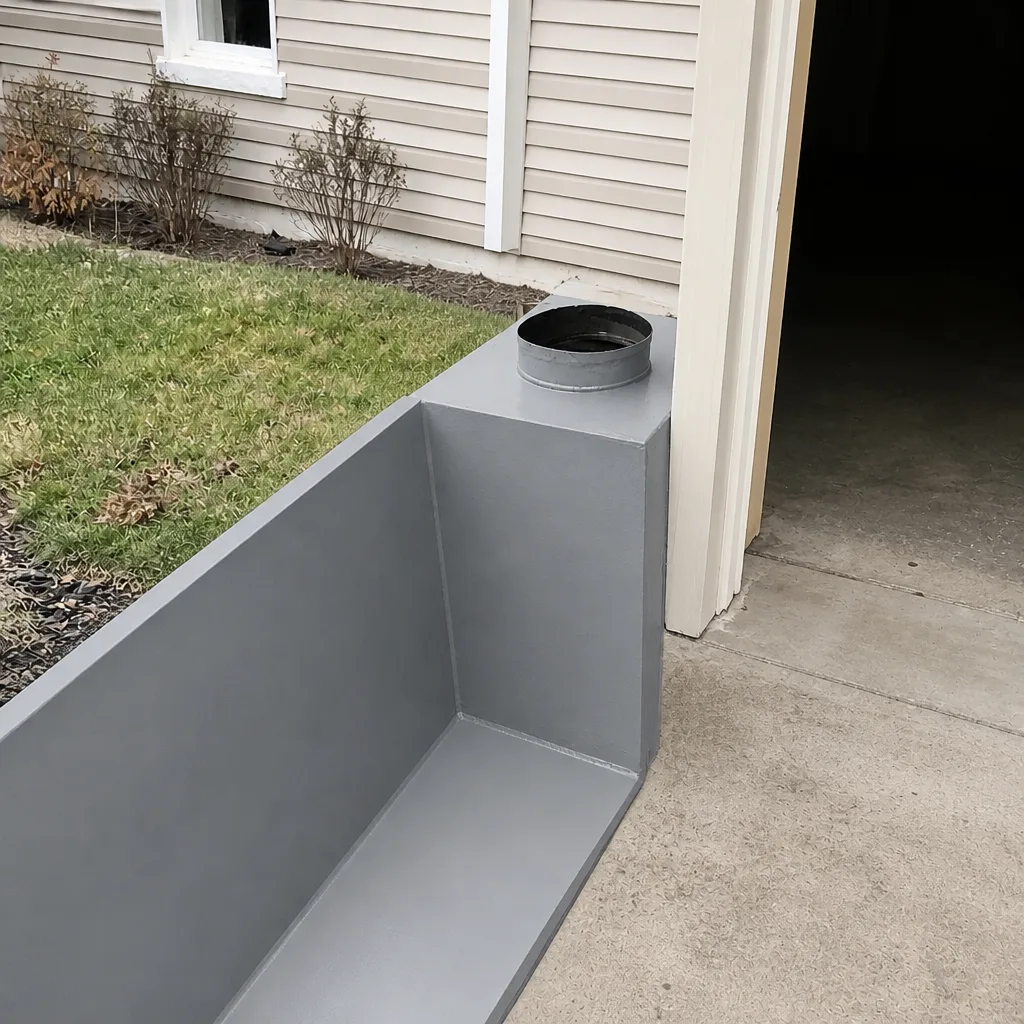
See the difference
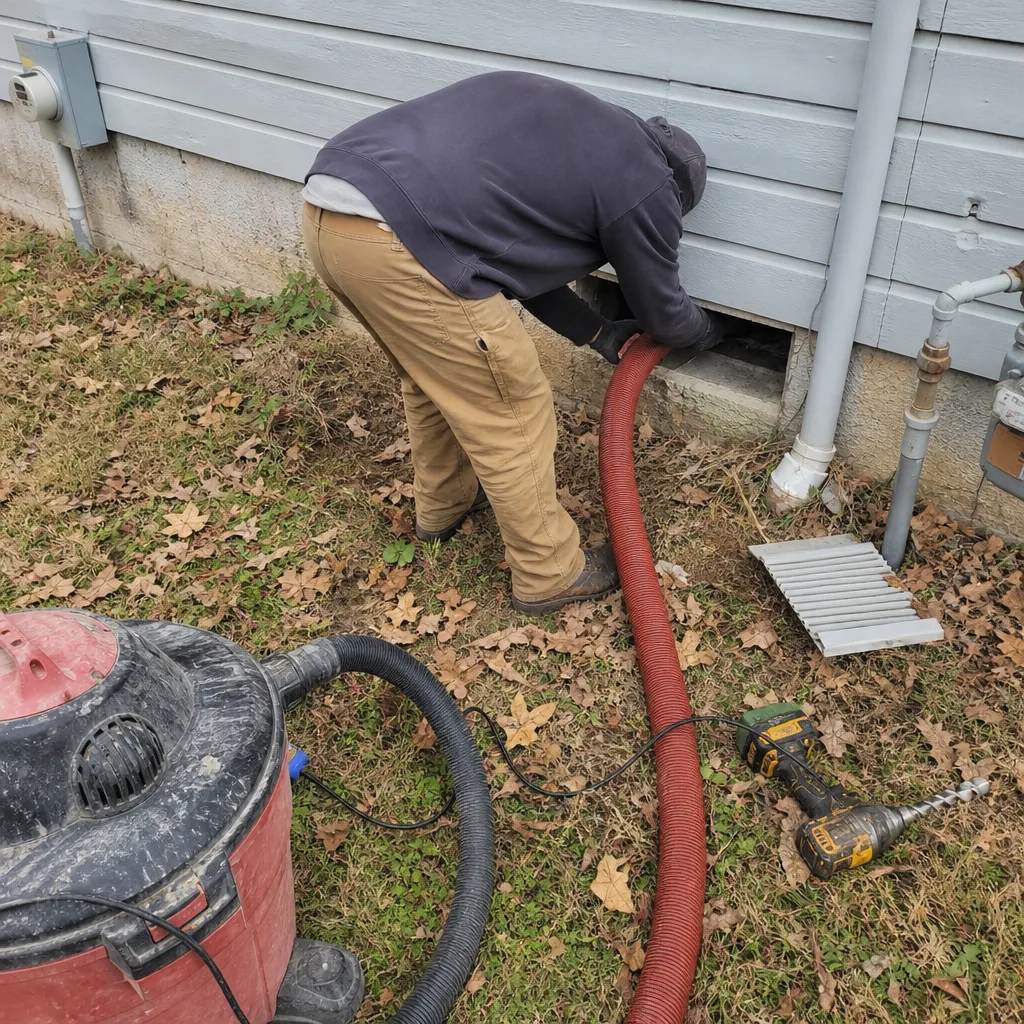 Before
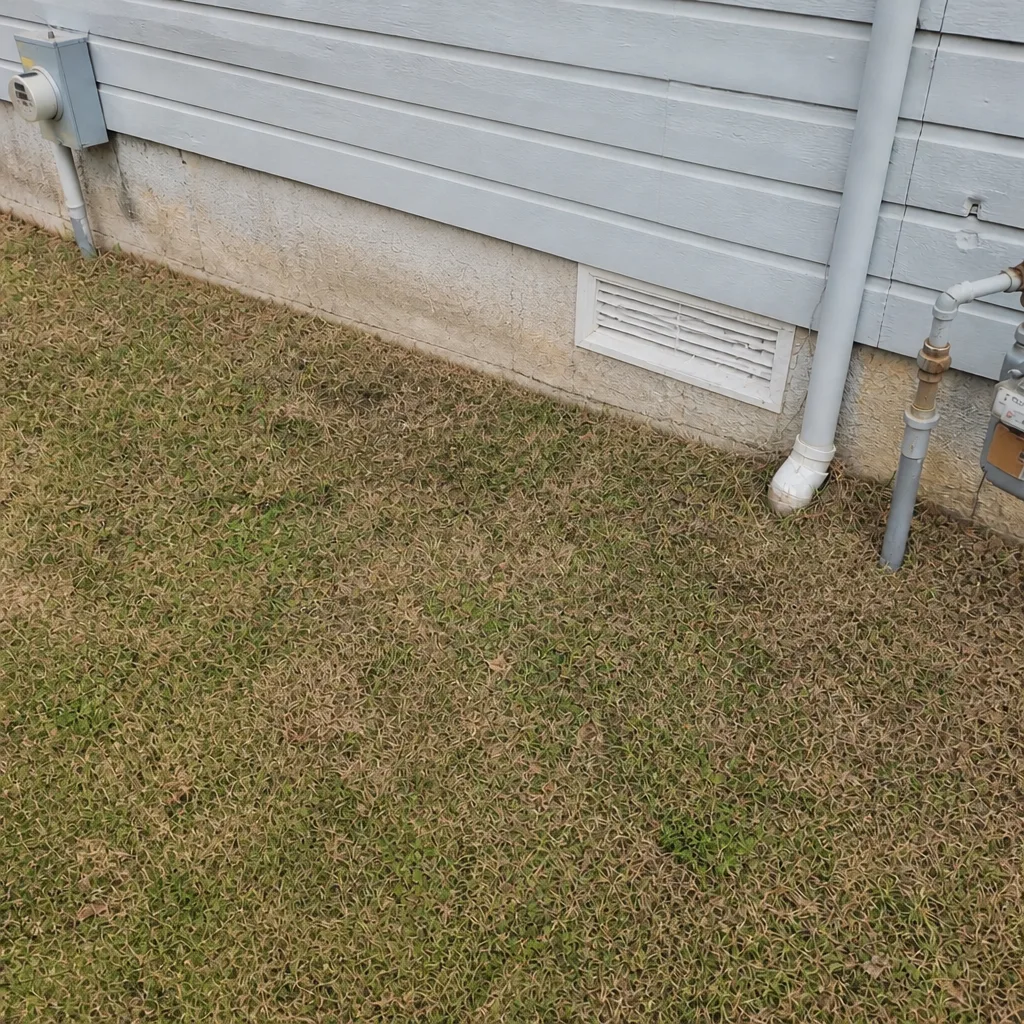 After
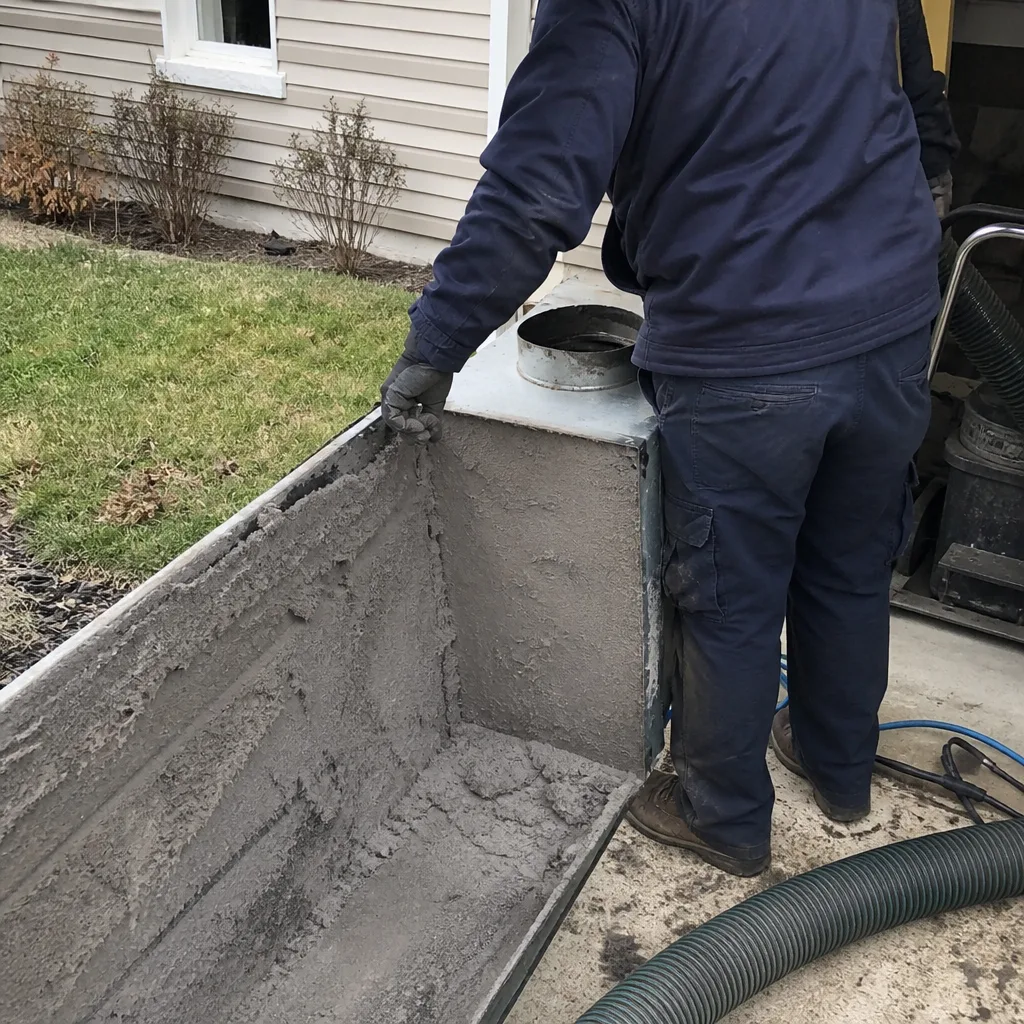 Before
 After
 Before
 After
When to Call a Professional
Some signs point clearly to a professional inspection rather than a wait-and-see approach. Dust blowing from registers right after cleaning the room, a musty or stale smell when the system starts, visible buildup on return grilles, uneven airflow between rooms, or a noticeable rise in energy bills all suggest the system needs a look. Recent remodeling, a move into a home with unknown service history, or a household member with respiratory sensitivity are also good reasons to have the system inspected. Anyone whose dryer vent hasn’t been checked in a long while should add that to the visit; it’s a different safety concern from duct cleanliness, but it’s worth doing. Air Duct Cleaning Bellevue offers free estimates in Bellevue. Call (877) 560-9584. We answer 24/7. Fast dispatch from 7am to 7pm, Sunday through Friday.
Frequently Asked Questions
Cost depends on the size and condition of the system, how many trunks and returns there are, and whether repair or sanitizing is needed. Pricing is per system, agreed in a written estimate before work starts, and that estimate sets the final price. There’s no per-vent pricing and no teaser coupon that grows on site. Call (877) 560-9584 for an exact quote; estimates are free.
Because they’re often for a different service. A low figure usually means a vacuum at the registers with no rotary brush agitation, no negative pressure containment, and no cleaning of the air handler, coil housing, or drain pan. You’re paying for surface dust removal, not a full-system cleaning. Ask what equipment will be used and which components are included, then compare scope rather than price.
Ask for before-and-after photos of your own ducts, a camera inspection of the main trunk lines, and airflow readings if available. A professional job builds verification in, and a crew with nothing to hide will document the work. Walk the system afterward and confirm every access point was sealed. Call (877) 560-9584 to schedule an estimate.
There’s no fixed schedule; it depends on your household, your system’s condition, and visible evidence. Pets, remodeling, leaks, and visible dust at the registers all shorten the interval. In Bellevue’s humid climate, the wet side around the coil deserves a look even when the ducts seem fine. An inspection every few years, with cleaning scheduled on what’s found, is a reasonable approach.
Yes. The humid summers here mean duct soil becomes a food source for microbial growth, and the result is biofilm that bonds to duct walls and the coil housing. Vacuuming won’t remove it. A complete cleaning in Bellevue needs mechanical agitation followed by a sanitizing treatment, plus dedicated attention to the coil housing and drain pan where moisture collects. Call (877) 560-9584 for a free estimate.
Yes, when the provider offers it in-house. Cleaning often reveals crushed, disconnected, or leaking runs, and handling repair and sealing in the same appointment means the system ends up both clean and tight rather than clean and still leaking. If a company only cleans, you’ll be left to find a second contractor for the repair.
The Bottom Line
The method is the service. A complete air duct cleaning is a sequenced process: inspect, create access, establish negative pressure, agitate with rotary brushes and air whips, capture with HEPA filtration, sanitize the wet side, and seal every access point. In Bellevue’s humid climate, that sanitizing step and the coil housing and drain pan matter more than they would in a drier place. Verify the work with before-and-after photos or a camera inspection, confirm the price per system in writing before work starts, and make sure repair and sealing are handled in the same visit. If you want the full-system version rather than a vacuum pass, we can help.
Call (877) 560-9584 for a free estimate. We answer 24/7. Fast dispatch from 7am to 7pm, Sunday through Friday.
Written by the team at Air Duct Cleaning Bellevue.