
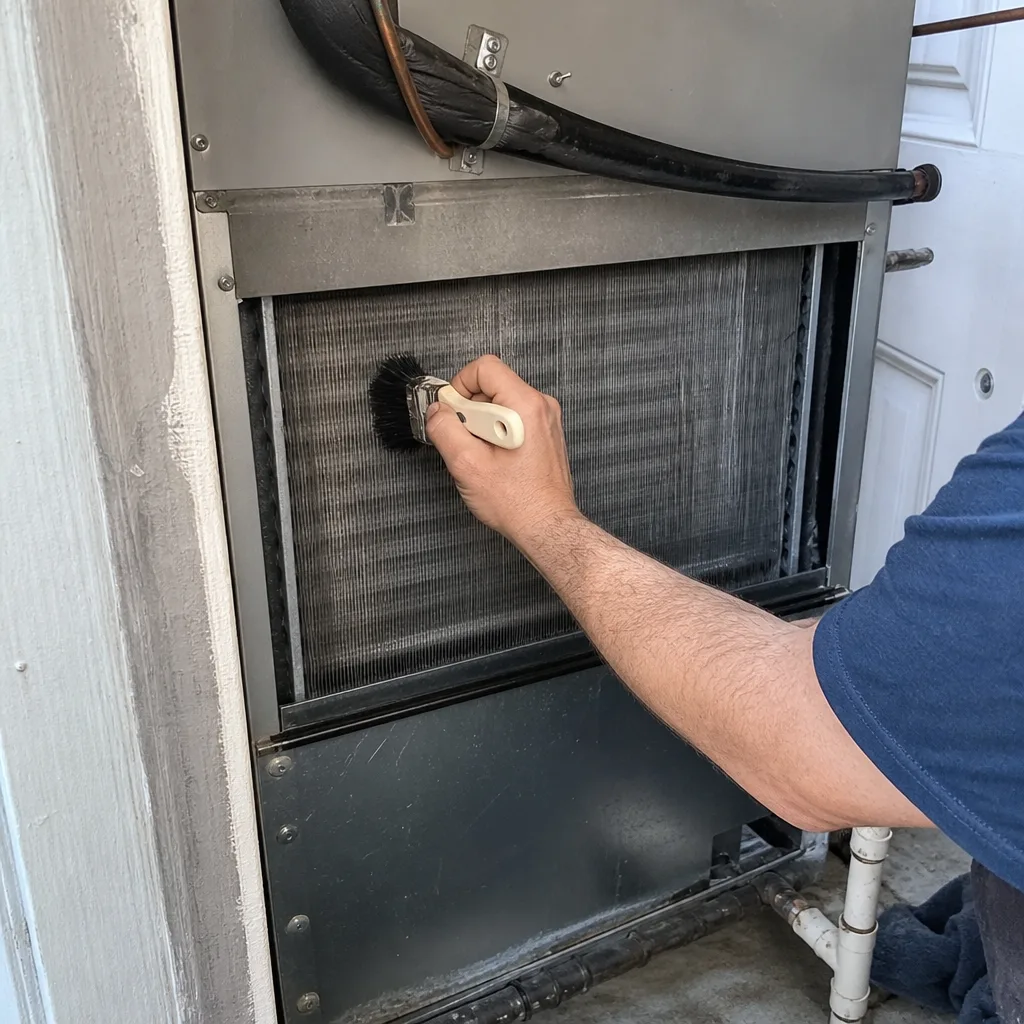
Last updated November 22, 2026
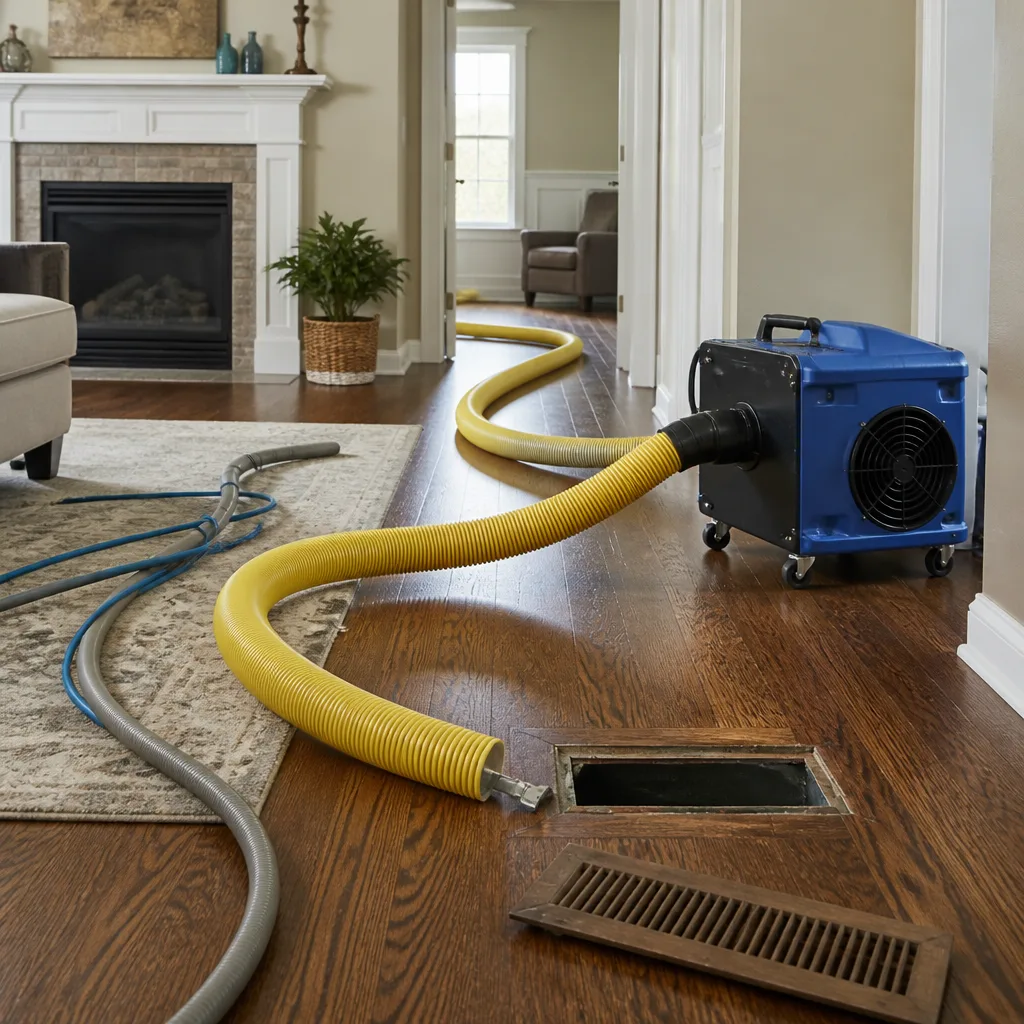 Whole-home duct cleaning
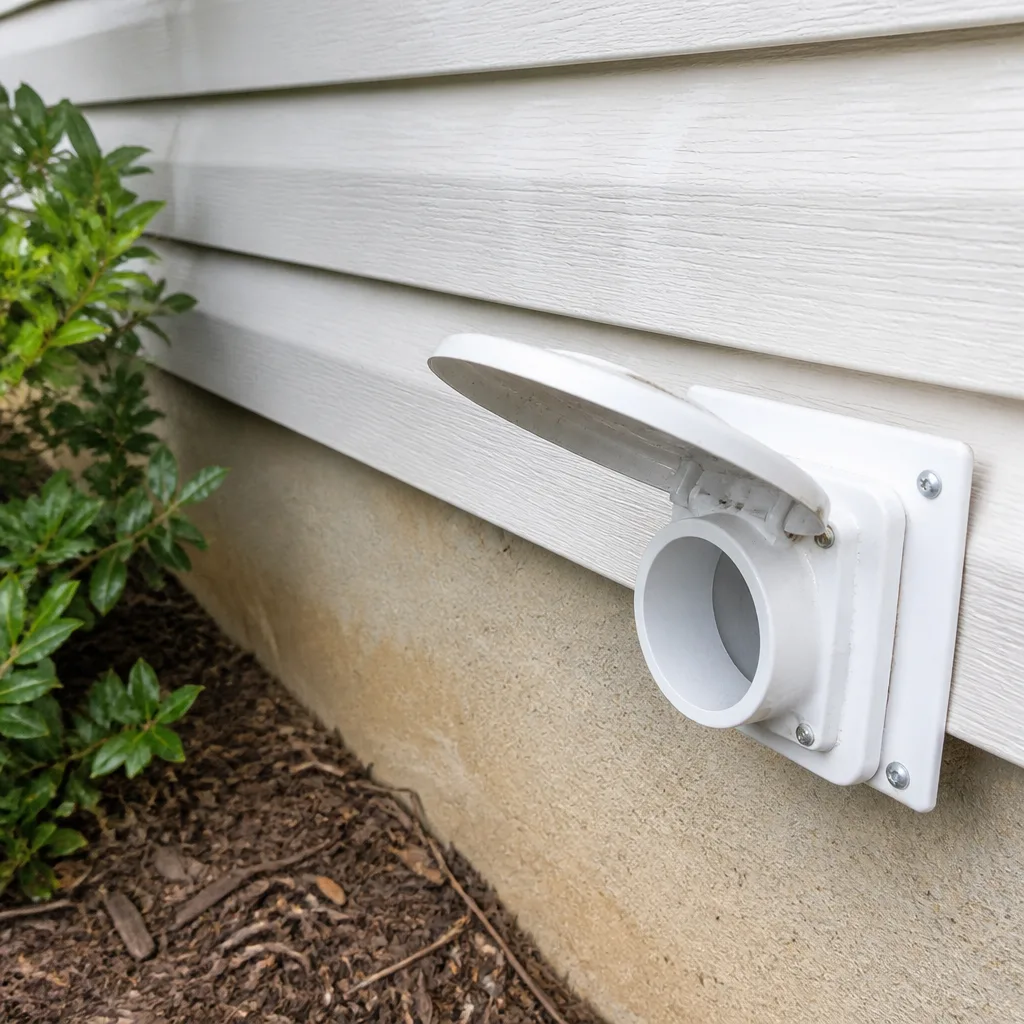 Dryer vent cleaning
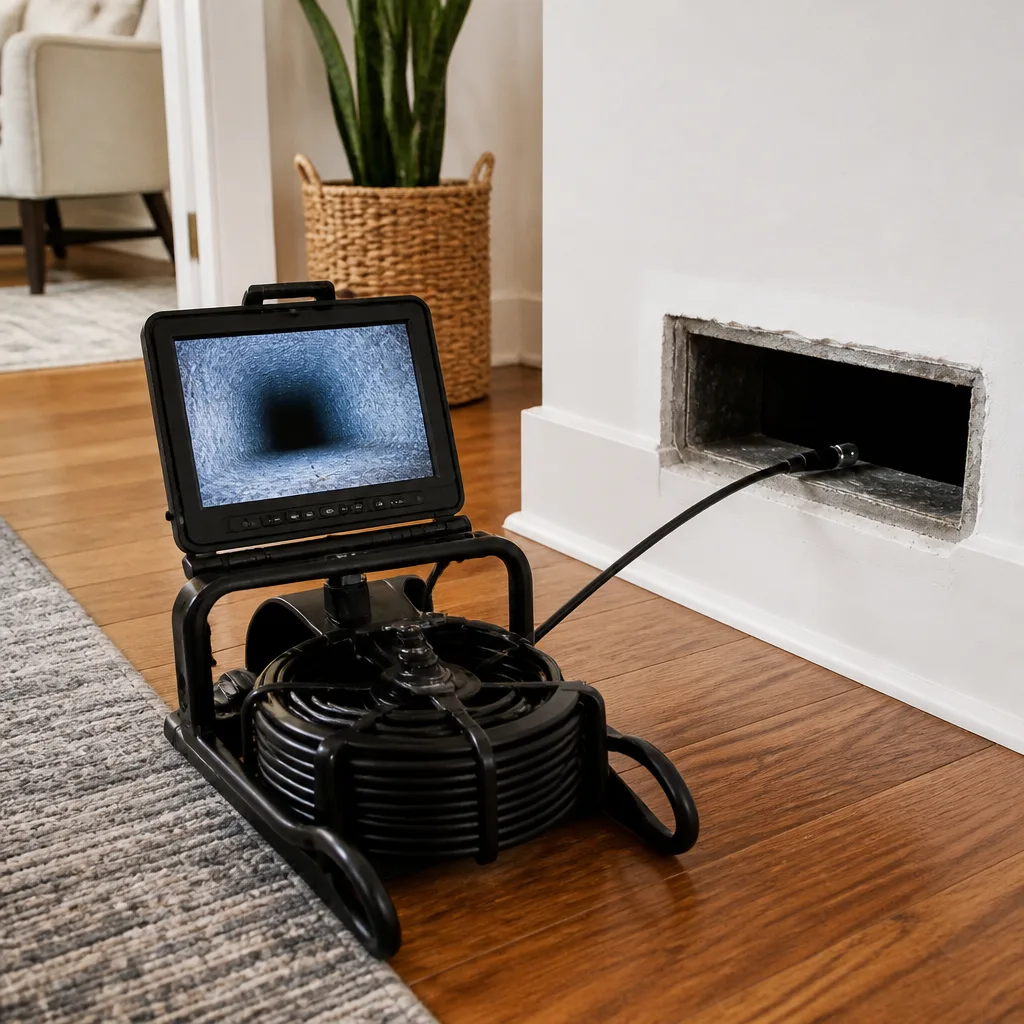 Camera inspection
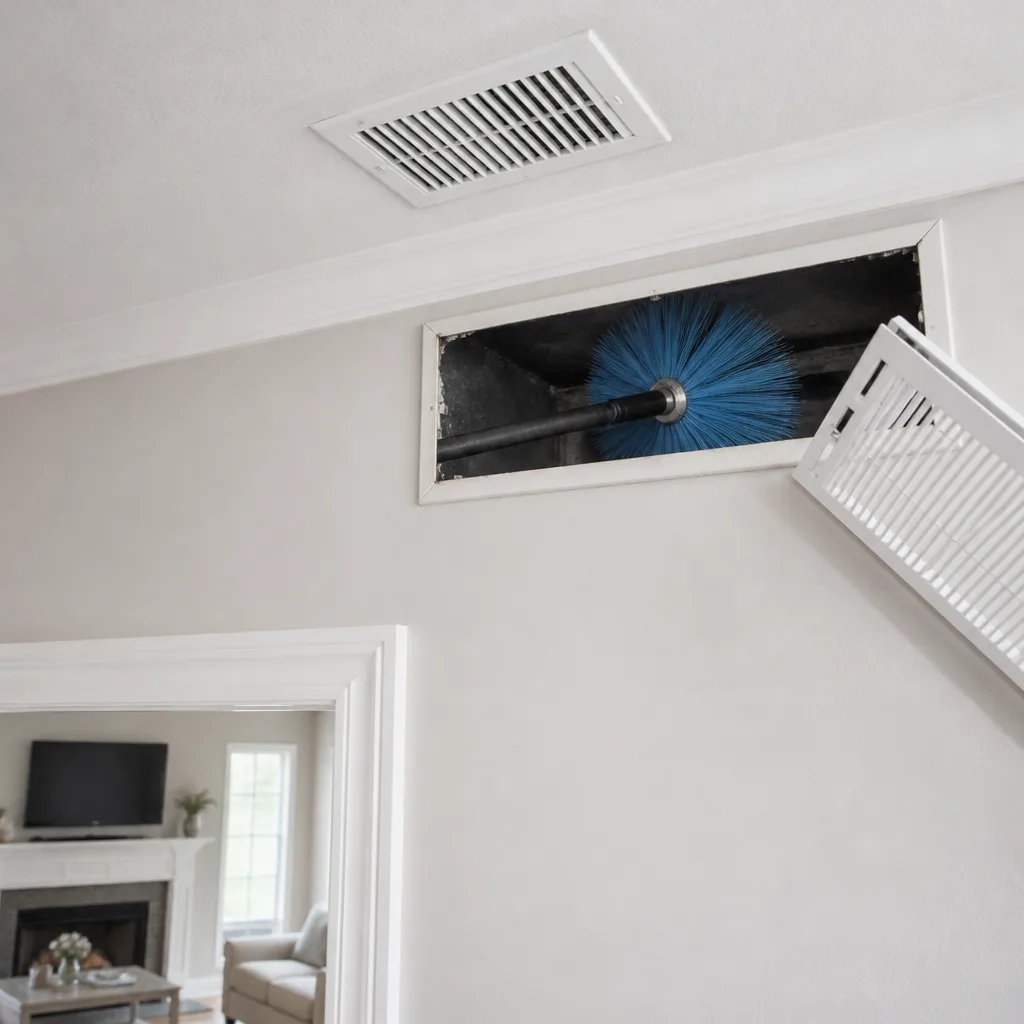 Sanitizing & deodorizing
Whole-system duct and dryer vent check with before-and-after photos - you see exactly what came out of your vents
That "$99 whole-house special" is a bait ad - the real number appears once they are in your hallway, or the "clean" is a shop-vac at the register. We photograph the inside of your ducts before and after instead.
DIY vs Professional Air Duct Cleaning: The Bellevue Homeowner’s Decision Guide
A shop vac taped to a dryer vent brush can clean a register opening and the six inches of duct behind it. Many homeowners assume that’s what a pro does too, just faster. It isn’t. Professional duct cleaning depends on something a consumer can’t buy at a hardware store: sustained negative pressure inside the system, strong enough to keep dislodged dust from blowing back through your living space while mechanical brushes work the duct walls. That gap explains a lot of the DIY duct cleaning that quietly makes indoor air worse before anyone realizes what happened. In this guide, we’ll walk through the equipment threshold, the DIY tasks that genuinely help, where consumer-grade tools cause damage, and how to decide what your own Bellevue home actually needs.
Quick Answer
Light surface work is safe for most homeowners: cleaning register covers, changing filters, vacuuming return grilles, and inspecting ducts with a phone camera. Anything that requires reaching inside the duct system and dislodging built-up debris needs professional equipment, because consumer tools can’t create the negative pressure or mechanical contact required to remove it without spreading it. For homes with visible dust buildup, worsening allergies, or older duct materials, a professional cleaning is the safer and more effective route.
Styles & brands we work with
- Whole-home duct cleaning
- Dryer vent cleaning
- Camera inspection
- Sanitizing & deodorizing
Table of Contents
- Why negative pressure is the real dividing line
- The equipment threshold: what separates cleaning from disturbance
- The DIY tasks that are genuinely useful and safe
- Where DIY attempts cause real harm
- What Bellevue homes specifically run into
- A decision tree for your situation
- How to choose a professional in Bellevue
- How often your ducts really need attention
Why Negative Pressure Is the Real Dividing Line
Everything in duct cleaning comes down to one engineering principle: inside the duct system has to be at lower pressure than the room around it. That’s negative pressure. When a technician connects a high-volume collection unit to the main trunk and seals the far end, air flows toward the machine and out through a filtration stage instead of into the living room. Debris gets pulled into the collection unit rather than scattered into the space you breathe.
The pressure numbers matter. Professional systems move a volume of air through the duct network that a shop vac simply cannot match on the scale of a whole house. A shop vac works at the end of a single hose with a small motor. A duct cleaning system works across an entire trunk-and-branch layout, maintaining flow as brush agitation breaks debris loose. We’re not naming a specific number as a promise, because the required figure depends on your home’s layout, duct sizing, and the machine spec. The point is that the system has to hold pressure while the brush moves. Consumer tools create a local vacuum at the hose tip and nothing at the far ends of the run.
That distinction explains an experience we’ve heard from many Bellevue homeowners: they vacuum a register, feel satisfied, and a week later the dust returns to the same surfaces. The vacuum pulled the loose dust near the opening. The settled debris deeper in the branch never moved, and every time the blower runs, it re-suspends fine particles that pass through the filter. Real cleaning removes the source, not the symptom. An air duct cleaning performed with proper containment addresses the whole system, not just what’s visible at the grille.
The Equipment Threshold: What Separates Cleaning from Disturbance
Three components define professional duct cleaning, and each one removes a limitation that DIY tools can’t overcome. If any is missing, the job shifts from cleaning to disturbance.
- Negative pressure collection system. A high-volume unit with HEPA-rated filtration draws air through the entire duct network. This is what keeps dislodged particulate from recirculating through the HVAC system while brushes work. Abatement Technologies equipment brings this same negative-air containment approach used in remediation work to a residential cleaning. That’s the tool category that changes the job.
- Rotary contact brushes and air whips. Duct interior surfaces need mechanical contact to break down settled dust, not just airflow across them. Rotobrush systems use rotating brush heads on flexible shafts that reach down the run and agitate the duct wall, loosening the film layer that simple vacuuming leaves behind. Nikro equipment covers the same job with industrial-grade suction and agitation for the branch lines.
- HEPA-rated collection filtration. The exhaust side of the machine holds a final filter so fine particles stay captured rather than returning to the room. Consumer vacuums typically have a basic filter that releases the smallest particles back into the air.
Put those three together and you get what the industry calls a full-system clean: contact on the walls, containment during the work, and filtration on the exhaust. Remove any one and the job degrades. A powerful vacuum without a rotary brush leaves the wall film. A rotary brush without negative pressure dislodges debris but doesn’t capture it. High-suction equipment without HEPA filtration captures the big pieces and returns the fine ones. That’s the equipment threshold, and it’s why “I have a shop vac” isn’t a substitute for a cleaning system.
The DIY Tasks That Are Genuinely Useful and Safe
We don’t tell every homeowner to call a professional the moment they see dust. Several maintenance tasks are safe, effective, and worth doing on your own between professional cleanings. These are the ones we recommend, whether or not you ever book a service with us.
- Clean the register covers. Pop each grille off and wash it in the sink or bathtub. A surprising amount of the dust you notice in a room is sitting on the grille face, not coming out of the duct.
- Change the filter on schedule. A clogged filter reduces airflow, strains the blower motor, and lets dust bypass into the coil. Check the filter monthly and replace it based on your home’s dust load, not a rigid calendar. Homes near busy sections of Bellevue tend to go through filters faster.
- Vacuum the return grille face. A handheld vacuum on the return intake pulls off the surface dust and reduces what gets pulled into the system on the next cycle.
- Inspect with your phone camera. A phone with a light on the lens and a short arm reach can show you the first twelve to eighteen inches of the run. If the interior looks gray and even, you’re likely fine. If you see visible debris flakes, dark patches, or a fuzzy film on the wall, that’s the point to call someone.
- Check for obvious leaks. Loose tape at joints, disconnected sections near the air handler, or sagging flex runs are worth flagging for whoever services the system.
What this list has in common: all of it touches only the surface and the accessible points. None of it requires reaching into the trunk line or the branch run. That’s the boundary. The moment the job requires dislodging what’s inside the duct, it leaves DIY territory.
For the rest of the system, professional service fills in what DIY can’t touch. When you eventually schedule a full clean, the same visit can cover HVAC cleaning on the air handler and coil side, which is where a lot of retained dust actually lives. And if you have a dryer, the vent line deserves the same treatment: dryer vent cleaning removes lint buildup that’s a well-documented residential fire hazard and something no homeowner can safely reach on their own.
Where DIY Attempts Cause Real Harm
We’ve been called to homes where the duct system was in worse condition after a DIY attempt than before. The harm comes from three specific scenarios, and all three are avoidable if you know what to look for.
Flex duct puncture from stiff brushes
Flex duct is the silver, ribbed, foil-and-plastic hose that runs from the trunk line to individual registers. It’s thin and it’s easy to puncture. A stiff brush or a rigid rod pushed through the wrong angle tears the inner liner, and once the liner is breached, the duct leaks conditioned air into the crawl space or wall cavity instead of delivering it to the room. That’s an energy loss and a comfort problem that shows up on the next utility bill. Professional rotary tools use flexible shafts and controlled speed, which is the reason they can navigate the run without gouging it.
Dislodged particulate recirculation without containment
This is the one that surprises homeowners. A shop vac applied to a register opening creates suction at the tip. It doesn’t create pressure across the whole duct network. Debris that was settled on the walls is now airborne but not captured, and the blower pulls it back through the system, where it circulates through the house on the next heating or cooling cycle. The result is a measurable drop in indoor air quality right after the DIY attempt. In Bellevue homes with a blower running, that can happen within the hour.
Disturbing mold colonies without encapsulation
Mold inside a duct is a situation where the wrong response is actually dangerous. Agitating a mold colony without containment and without a sanitizing treatment sends spores into the living space in a way that’s much worse than leaving the colony untouched. If you suspect mold (dark patches, a persistent musty smell that doesn’t clear after a filter change), stop and call a professional. The proper approach is contained removal, HEPA collection, and a sanitizing treatment, which is the combination professional duct cleaning provides.
The unifying risk: any DIY inside the duct system turns settled particles into airborne particles without a way to capture them. Professionals spend on containment because containment is the job.
What Bellevue Homes Specifically Run Into
Bellevue is a mix of older housing stock and newer construction, and both bring their own duct problems. The older properties are where we see most of the preventable damage, because the materials used when those systems were installed were not built to last as long as the homes have.
Fragile duct board. Duct board is a rigid, compressed fiberglass product used in a lot of mid-to-late-twentieth-century construction. It’s fine when it’s intact, but years of thermal cycling make it brittle. A stiff brush dragged through duct board can tear the inner facing, and once the facing is compromised the board degrades quickly. Consumer-grade tools don’t have the sensitivity to feel that change in resistance; a trained technician adjusts speed and pressure as they go.
Crawl space flex duct under mechanical stress. A lot of Bellevue homes route flex duct through the crawl space. Over time, that duct sags, kinks at bends, and gets snagged on plumbing and framing. It’s already stressed. The last thing it needs is a homeowner running a brush through it at the wrong angle. Professional cleaning includes a visual inspection of the accessible runs before any tool goes in, precisely because a stressed duct run is a candidate for repair, not just cleaning.
Seasonal load. Bellevue’s humid summers and cool winters mean the HVAC system works hard both ways. That’s more air movement through the duct network, more dust picked up, and more moisture in the system during cooling season. Homes that run the blower continuously tend to build up wall film faster than homes that cycle.
Mixed systems in additions and renovations. Homes that have been added to or renovated often have two different duct systems spliced together, sometimes one duct board run and one flex run with different diameters and condition. These setups need a technician who can read the layout, not a single pass with one tool.
None of that means every Bellevue home needs professional cleaning immediately. It means the decision isn’t just about how much dust you see. It’s about what the duct system is made of and how a particular tool interacts with it. If you’re unsure where your home falls, an inspection answers that faster than any guide can.
A Decision Tree for Your Situation
Rather than defaulting to “always hire a pro,” use this decision tree. Answer the top question honestly and follow the branch that matches your situation.
- Are you seeing visible debris inside the duct, a persistent musty smell, or dark patches? If yes, call a professional. These are signs of conditions that DIY handling will worsen, and the professional visit should include an inspection first.
- Has the system been cleaned in the last three to five years, and are you seeing normal dust levels? If yes, stick with DIY maintenance: register cleaning, filter changes, and return grille vacuuming.
- Do you have known duct board or crawl space flex duct, and no professional inspection on record? If yes, book an inspection. That’s not a sales pitch; it’s how you avoid doing damage with your own tools.
- Are allergies worsening indoors, or are energy bills climbing without an obvious cause? If yes, call a professional. Both patterns point to a system-level issue that DIY can’t address.
- Is your only concern general dust on surfaces? If yes, try two months of consistent DIY maintenance (register covers, filters, return vacuuming) before calling. If dust returns to the same surfaces within a week or two, that’s the signal to bring in a professional.
- Have you recently bought the home or moved into a long-vacant property? If yes, book an inspection. You don’t know the cleaning history and a walkthrough costs nothing.
When the tree points to professional service, the rest of the decision is which professional and what the visit should include. A full-system clean touches every component, not just the visible vents. For customers interested in the broader system, whole-home air quality gear from Aprilaire and Honeywell lives in the same infrastructure, and professional cleaning means the technician can assess that equipment in the same visit rather than handing you off to a second contractor later. Duct repair and sealing is included in that same visit when damage or leakage is found, which is the practical difference between cleaning-only crews and full-system specialists.
How to Choose a Professional in Bellevue
Once you’ve decided to bring in a professional, the choice matters more than most homeowners realize. The gap between a thorough job and a surface-level one is not always obvious from the outside, so ask these questions before booking.
- What equipment do you use? Professional names like Rotobrush or Nikro indicate the contractor has invested in systems built for duct work. Any answer that centers on a shop vac is a warning sign.
- Is the collection unit HEPA-rated? Consumer vacuums recirculate fine particles. Professional systems capture them. This is a fair question to ask directly, and a contractor who knows their equipment will answer it easily.
- Will you inspect the system before cleaning? A good visit starts with a look at the layout, materials, and visible condition. Aggressive cleaning on an already damaged run is a mistake.
- Can you repair and seal ducts if you find problems? Cleaning without repair capability means a discovered leak or disconnected run becomes a separate contractor search later. In-house repair closes the loop on the same visit.
- Can you service the air handler side too? Duct cleaning without coil and blower cleaning leaves a big part of the dust source in place. A single provider who handles both is more thorough than two vendors who don’t coordinate.
- What does the estimate look like? A flat price quoted per job in writing, based on the system, is what you want. Hourly or per-vent pricing with an open-ended ceiling is what you don’t. Ask for the figure in writing before any work begins.
We mention those questions because they’re the same ones we would ask if we were the homeowner. Our technicians have up to 11 years of experience, and they run Rotobrush and Nikro systems, Abatement Technologies containment equipment, and work with the Aprilaire and Honeywell systems already installed in a lot of Bellevue homes. That’s the equipment side. The rest of the answer is about the visit structure, and that’s where we focus: inspect, clean the full system, sanitize where needed, and repair what we find before we leave.
How Often Your Ducts Really Need Attention
There’s no universal calendar. Duct cleaning intervals depend on the home, not the clock, and suggesting otherwise is usually a sales tactic. What we can say, based on how the work actually plays out in Bellevue homes:
- Most homes with newer duct systems and normal occupancy fall into a five-to-seven-year range for a full clean, sometimes longer.
- Homes with visible dust buildup, pets, recent renovation dust, or a long vacancy before move-in usually need attention sooner.
- Homes with the fragile duct board or crawl space flex duct common in older Bellevue properties should be inspected sooner even if cleaning isn’t yet needed, because those materials degrade in ways that don’t show up as increased dust.
- If anyone in the home has worsening allergy symptoms without a seasonal explanation, that’s a trigger to inspect, not a calendar date.
- After a renovation (drywall dust, sawdust, insulation fibers), a clean is worth scheduling once construction is done. Construction particulate is fine and invasive, and filters only catch part of it.
The short version: inspect rather than watch the calendar. A visual inspection answers the question faster than guessing, and it’s the visit we recommend even when the answer is “you’re fine for two more years.” For homeowners who want the whole system looked at once – ducts, air handler, dryer vent, and any air quality gear – the Air Duct Cleaning Bellevue approach runs the full checklist in a single visit so nothing gets deferred to a contractor who never gets called.
Common Mistakes to Avoid
- Assuming a shop vac equals a cleaning system. A strong shop vac creates suction at the hose tip and nothing across the duct network. Many homeowners finish a DIY attempt satisfied and then wonder why dust returns within a week. The reason is that nothing above the opening was actually cleaned.
- Running a stiff brush through flex duct. Flex duct in Bellevue crawl spaces is often already stressed from sagging and bends. A stiff brush on a rigid rod punches through the liner and turns a clean duct into a leaking one. Flexible rotary shafts exist precisely because flex duct needs a diagnostic feel, not force.
- Cleaning after removing the only filter in the system. A shop vac attachment on a register with no filter changes nothing in the branch lines. Worse, without negative pressure, the dislodged debris recirculates through the house on the next blower cycle.
- Disturbing a suspected mold colony. Dark patches or a persistent musty smell that survives a filter change means stop and call a professional. Agitation without HEPA containment spreads spores into the living space in a way that’s worse than leaving them settled.
- Cleaning only the visible registers. Register openings are the least contaminated part of the system, because the grille catches most debris on the way in. Cleaning them looks productive and does almost nothing for the actual duct interior.
- Skipping the crawl space inspection. Most Bellevue homes with crawl space duct runs have connection points or stress points that only an inspection reveals. Cleaning without looking first is a guess.
- Hiring the cheapest per-vent price. Per-vent pricing invites a lowball number that grows as the crew “finds” problems on site. A flat price quoted per system upfront, based on an inspection, is the setup that holds through the visit.
See the difference
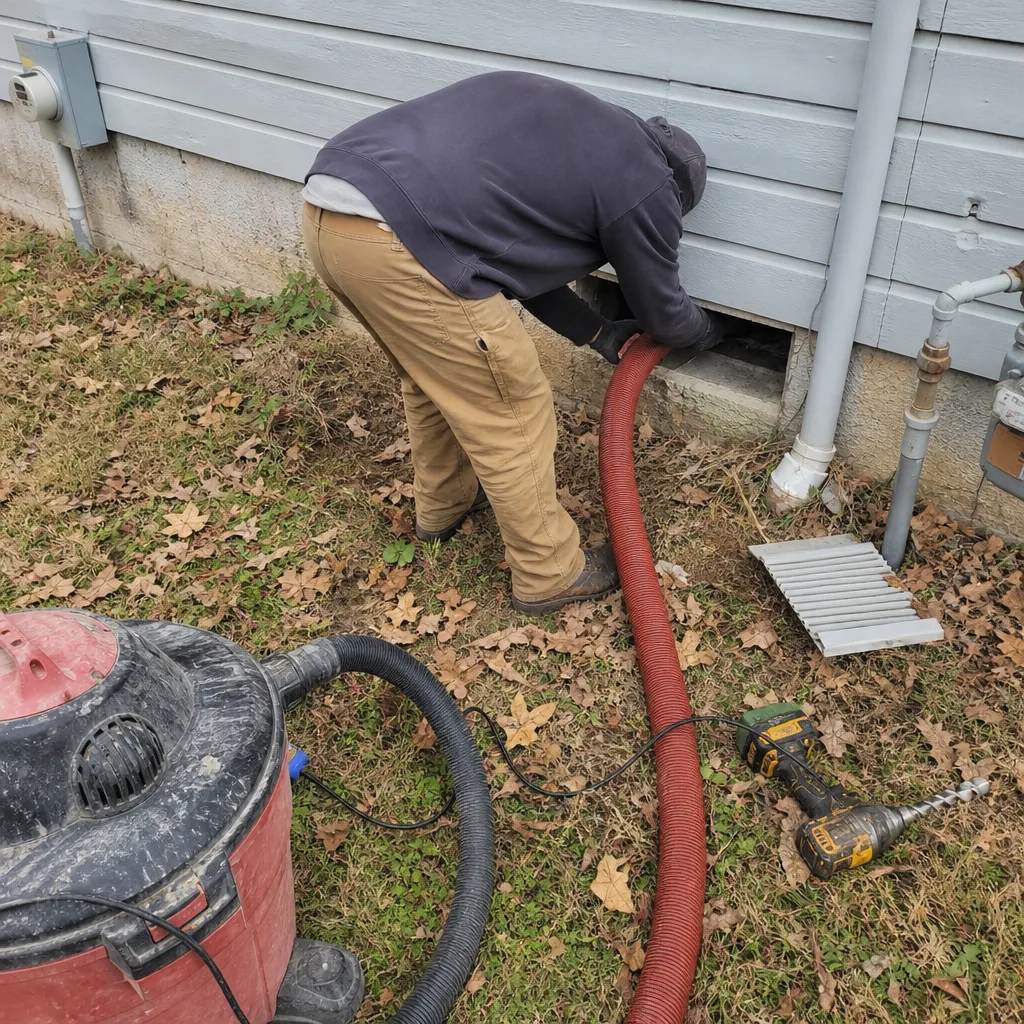 Before
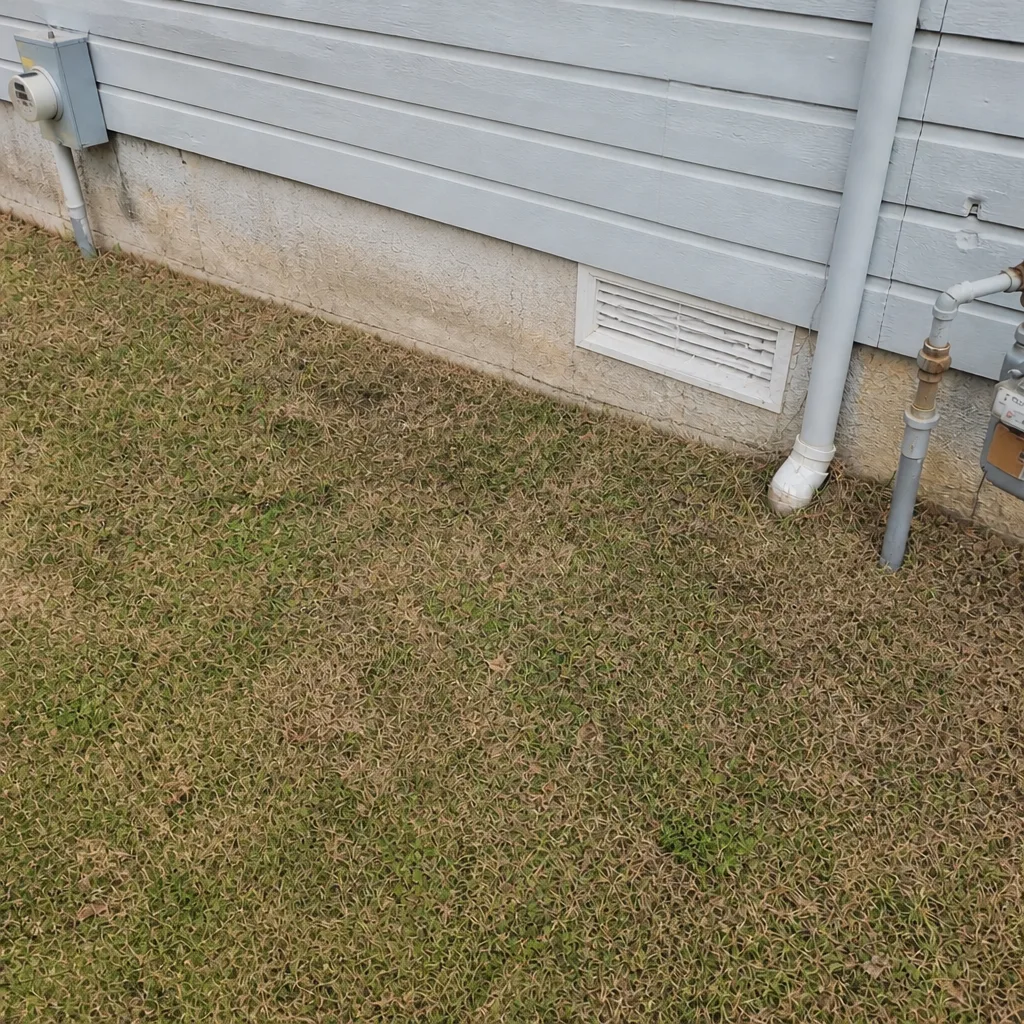 After
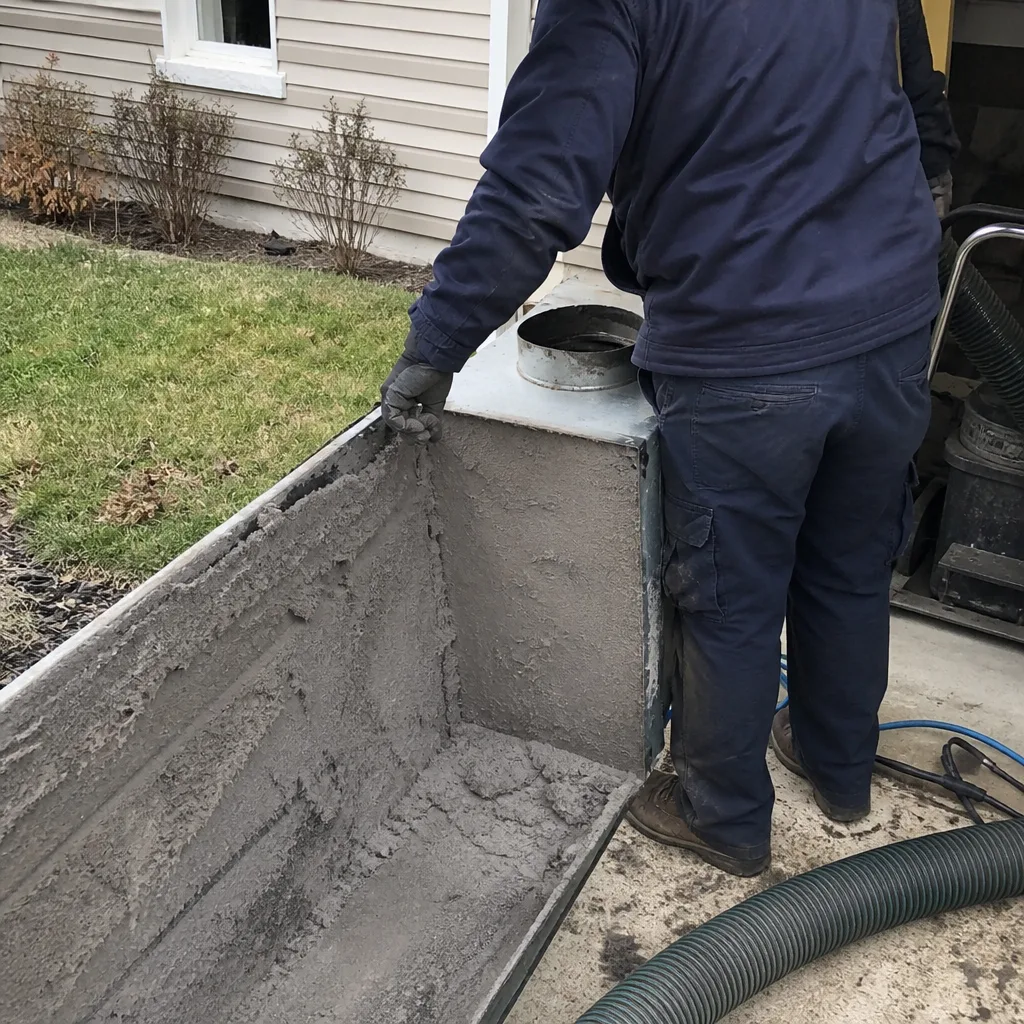 Before
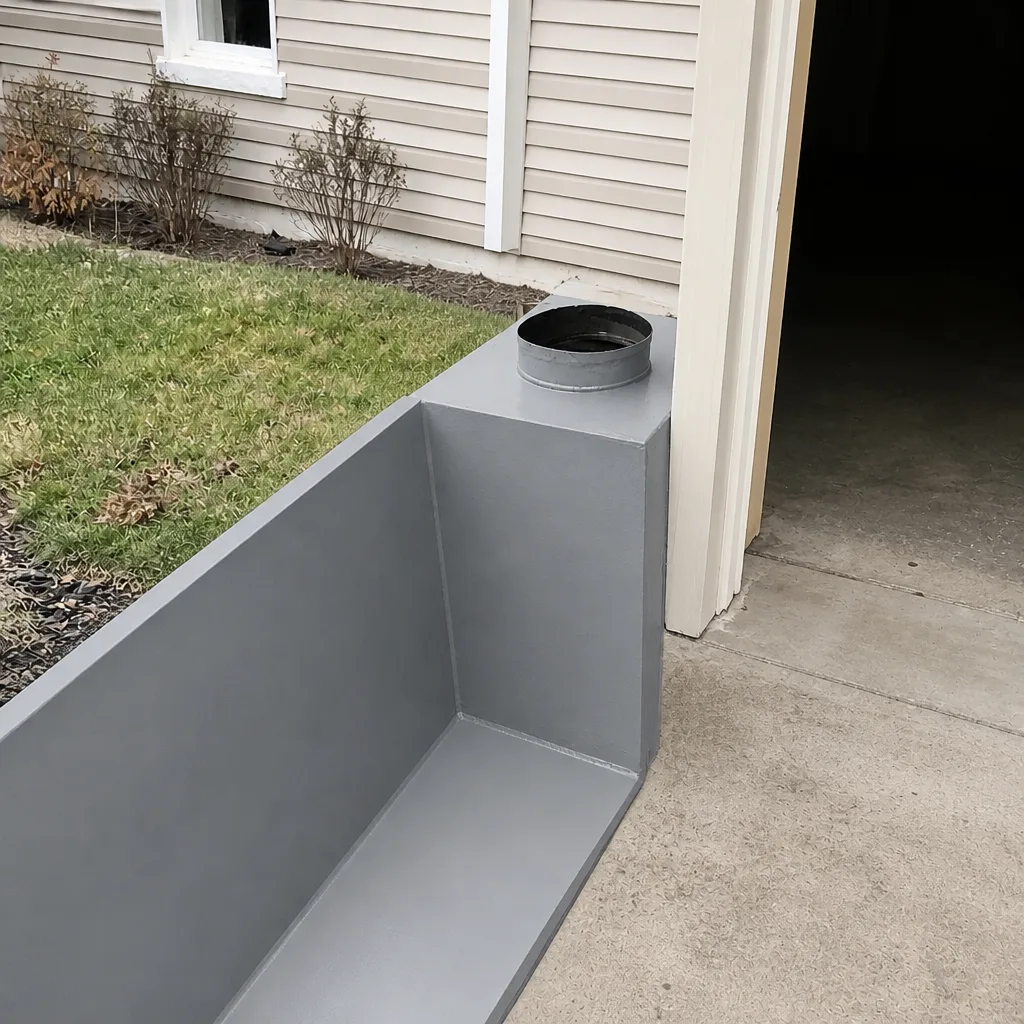 After
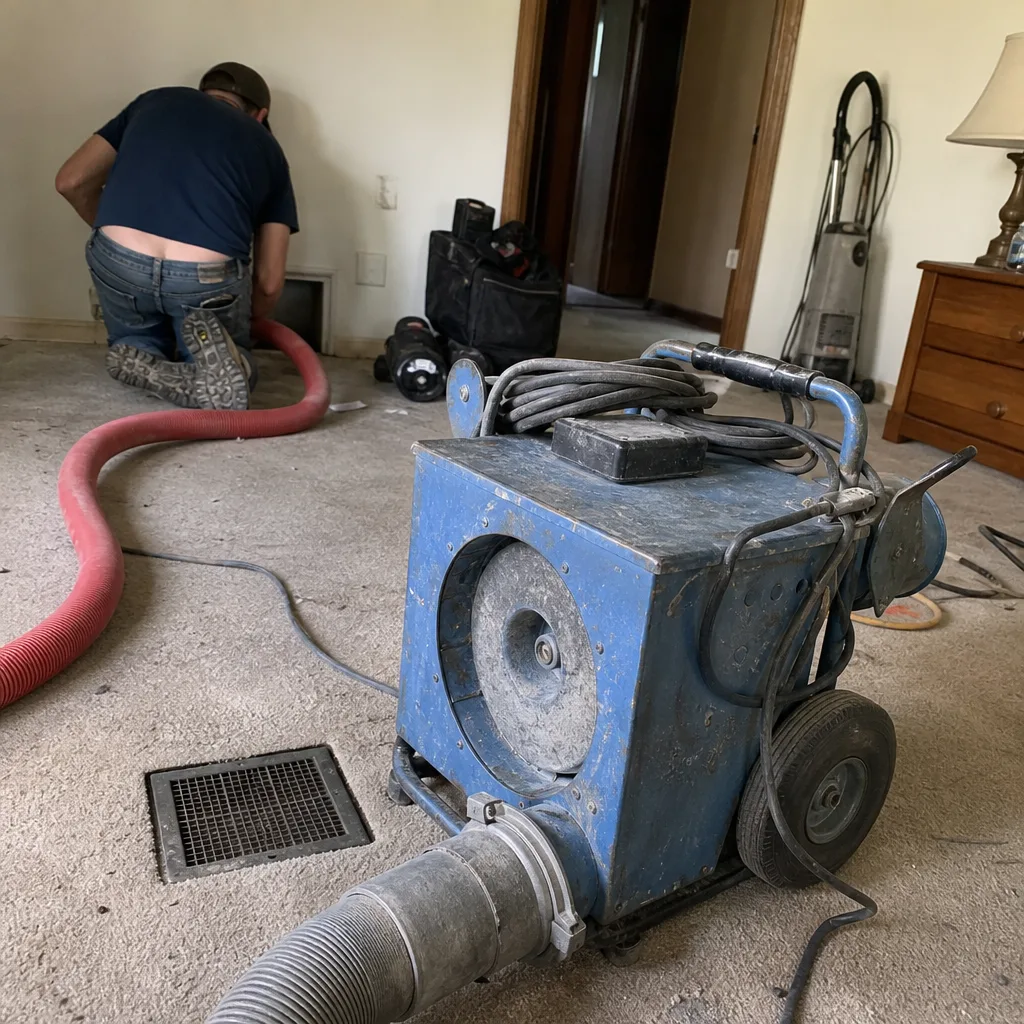 Before
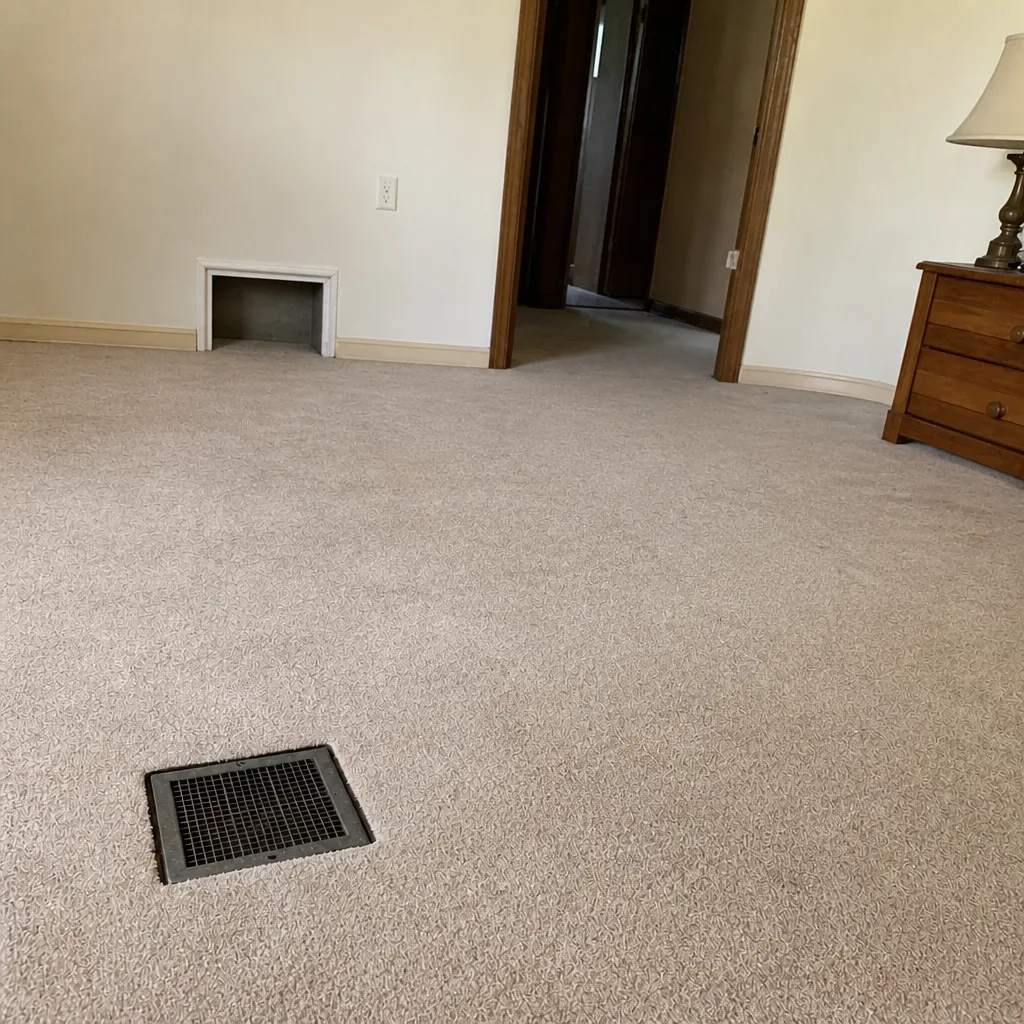 After
When to Call a Professional
Call a professional when any of the following is true: you see visible debris, dark patches, or a fuzzy film inside the duct; there’s a persistent musty smell that survives a filter change; allergy symptoms worsen indoors without a seasonal cause; energy bills climb without an obvious reason; the home is new to you or has been vacant; recent renovation dust is in the system; or the duct materials are duct board or crawl space flex and no one has inspected them. Air Duct Cleaning Bellevue offers free estimates in Bellevue. Call (877) 560-9584. We answer 24/7. Fast dispatch from 7am to 7pm, Sunday through Friday. The estimate is free and the price is set per job in writing before any work begins, so the number you hear is the number on the invoice.
Frequently Asked Questions
Professional air duct cleaning in Bellevue is typically priced per system, based on square footage, number of branch runs, and whether repair or sanitizing is added, and the written estimate sets the final price. A per-vent price is a warning sign, because the total grows as each vent is added after the crew arrives. Call (877) 560-9584 for an exact quote; estimates are free.
The cheap quote usually reflects a different scope of work, not a different price on the same job. Per-vent pricing with no system-wide negative pressure, no rotary contact brushes, and no HEPA collection is a surface clean that recirculates dust as it goes. A flat price per system based on the actual work is what protects you from a low number that grows on site. Call (877) 560-9584 for a written estimate on what your Bellevue home actually needs.
Ask for before-and-after photos of your own ducts, not stock images. A professional visit also includes an inspection at the start, so the technician knows exactly what the duct interior looked like before the tool went in. If a provider can’t supply photos of the ducts they just cleaned, that’s a concrete reason to book elsewhere. Call (877) 560-9584 to schedule a visit with documented results.
Most Bellevue homes fall into a five-to-seven-year range, but the honest answer depends on the home. Pets, renovation dust, a long vacancy, or symptoms that point to a system-level issue all shorten the interval. The right move is an inspection rather than a calendar date. Call (877) 560-9584 for a free estimate and an inspection that answers the question for your specific home.
Yes, if the register face is your only concern. Register cleaning, filter changes, and return grille vacuuming are safe, useful DIY tasks between professional visits. What DIY can’t do is reach into the branch lines where the wall film accumulates, and that’s where the dust source actually lives. Call (877) 560-9584 when dust returns to the same surfaces within a week or two of a DIY pass.
Yes, significantly. Flex duct in a Bellevue crawl space is often already stressed from sagging, kinks at bends, and snagging on framing, and a stiff brush on a rigid rod easily punctures the inner liner. Once the liner is breached, the duct leaks conditioned air into the crawl space and the room gets less of what it paid for. Call (877) 560-9584 for an inspection before DIY damage happens; the estimate is free and the visit is the safest way to find out what shape the run is in.
The Bottom Line
The DIY-versus-professional question is not really about whether you can reach into the duct with a tool. It’s about whether the tool can dislodge what’s inside and capture it before anything recirculates into your living space. Consumer equipment can’t maintain negative pressure across a full duct network, and without that pressure, DIY cleaning mostly moves dust around. The safe DIY work is on the surface: register covers, filters, return grille vacuuming, phone-camera inspection. Anything beyond that needs professional equipment and containment. Bellevue homes with older duct board or stressed crawl space flex deserve an inspection before any cleaning, professional or otherwise. When the decision points to professional, get a flat per-job estimate in writing and ask what equipment will actually be used. That single question filters most of the lowball quotes out.
If it’s time to look at your system, call Air Duct Cleaning Bellevue at (877) 560-9584 for a free estimate. We answer 24/7. Fast dispatch from 7am to 7pm, Sunday through Friday. We use Rotobrush, Nikro, and Abatement Technologies equipment, we work with Aprilaire and Honeywell air quality systems, and we repair and seal what we find in the same visit. One phone call, one visit, complete air system.
Written by the team at Air Duct Cleaning Bellevue.