
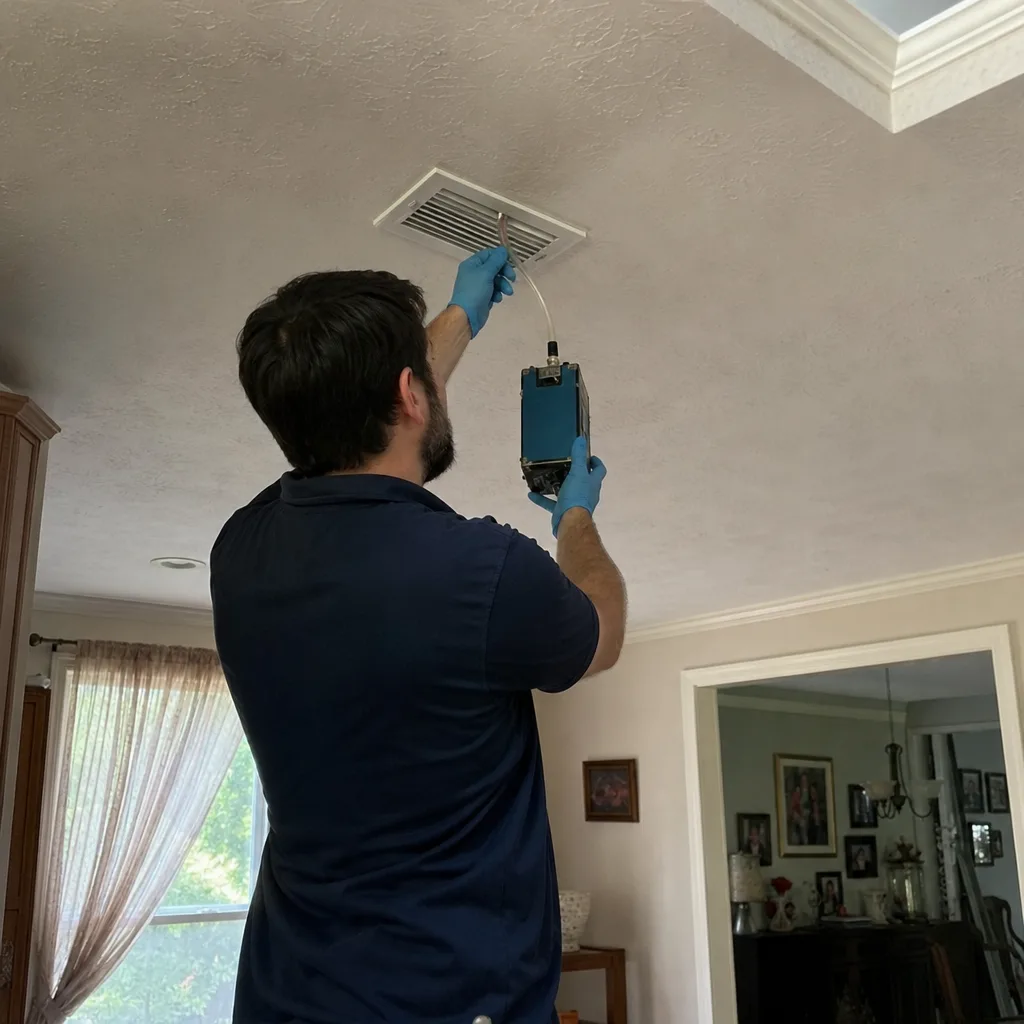
Last updated November 22, 2026
 Whole-home duct cleaning
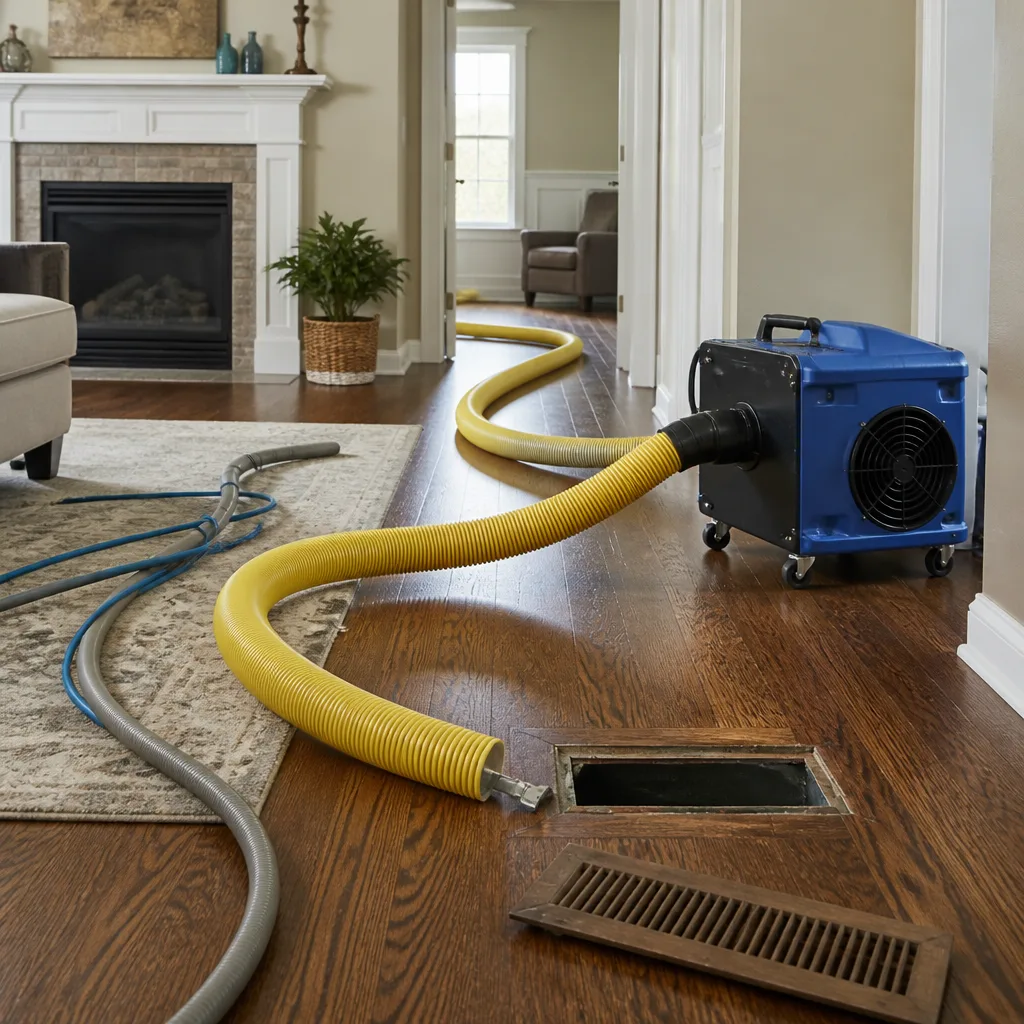
 Dryer vent cleaning
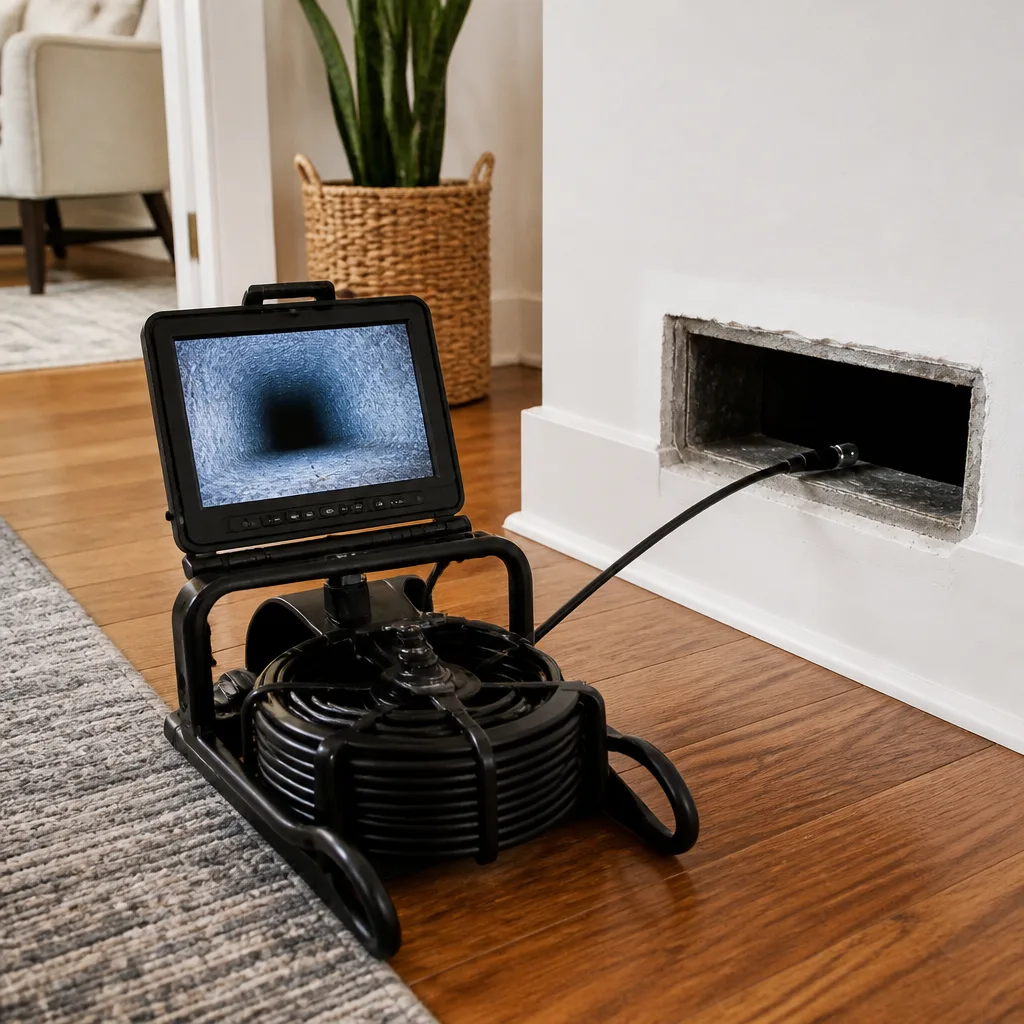 Camera inspection
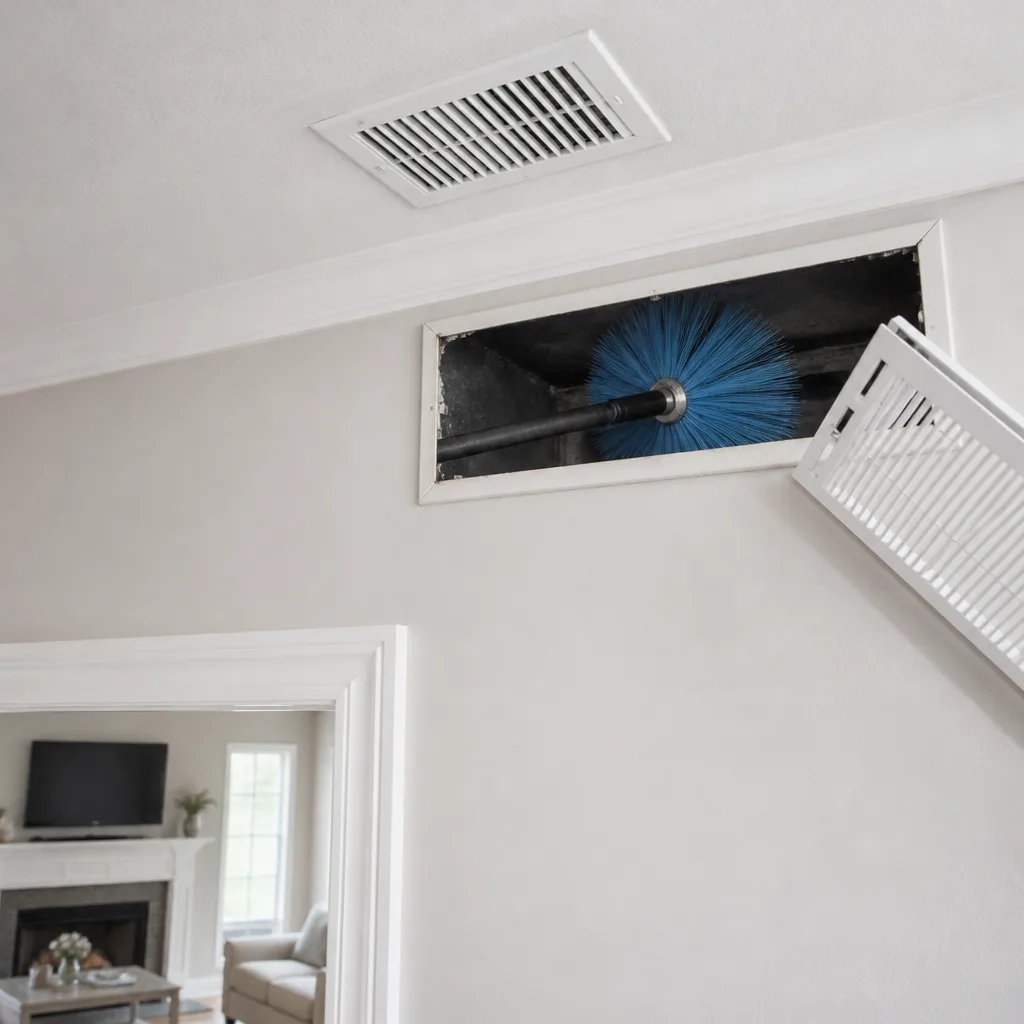 Sanitizing & deodorizing
Whole-system duct and dryer vent check with before-and-after photos - you see exactly what came out of your vents
That "$99 whole-house special" is a bait ad - the real number appears once they are in your hallway, or the "clean" is a shop-vac at the register. We photograph the inside of your ducts before and after instead.
Air Duct Cleaning Permits, Codes & Inspections in Bellevue, TN: What You Need to Know
Most people assume duct cleaning is one unregulated service from start to finish. It isn’t. A company that also reconnects a disconnected flex run or replaces a rusted plenum is doing mechanical work, and mechanical work in Tennessee falls under the residential building code. That line matters in Bellevue when you sell a house, file an insurance claim, or discover a taped-up mess behind an access panel. This guide draws the boundary between cleaning and permitted mechanical work, explains how Metro Nashville’s permitting rules reach us here, and shows what a home inspector will flag on resale. You’ll also learn what records to keep and why a written scope of work protects you.
Quick Answer
Routine air duct cleaning in Bellevue, TN does not require a permit. Duct sealing, duct board replacement, flex duct reconnection, and plenum replacement are mechanical work, and under Tennessee’s residential building code they can trigger a Metro Nashville mechanical permit and inspection. The dividing line is simple: cleaning removes debris, repair alters the duct system.
Styles & brands we work with
- Whole-home duct cleaning
- Dryer vent cleaning
- Camera inspection
- Sanitizing & deodorizing
Table of Contents
- Where Duct Cleaning Ends and Mechanical Work Begins
- What Tennessee’s Residential Code Says About Duct Systems
- Metro Nashville’s Permitting Reach in Bellevue
- When Duct Sealing or Replacement Requires a Permit
- What a Home Inspector Flags on Resale
- The Insurance Angle: Mold, Water Damage, and Documented Cleaning
- Records to Keep After Duct Work That Includes Repairs
- Common Mistakes to Avoid
Where Duct Cleaning Ends and Mechanical Work Begins
The cleanest way to think about it: cleaning touches the inside surface of the duct, repair touches the duct itself. A technician running a Rotobrush whip through a trunk line is removing dust, dander, and construction debris. Nothing structural changes. The system stays exactly as it was built, only cleaner. That work sits outside the permit process.
Mechanical work starts when the duct system’s physical assembly changes. Reconnecting a joint that has separated. Cutting out a sagging section of duct board and fitting a new one. Replacing a corroded plenum at the air handler. Sealing seams with mastic where the original install leaked. Each of those alters the system’s components or its air-sealing characteristics, and that is the definition the code cares about.
The distinction gets blurry in older Bellevue homes where flex duct was run through attics and crawlspaces. Heat and humidity work on flex duct over time. Tape dries out, inner liners tear, and runs that were connected at install slowly pull apart. When we clean those systems, we often find disconnected sections. Cleaning them without repair just moves air into the attic instead of the bedroom. Fixing them is mechanical work, and it should be documented as such.
- Cleaning only: source removal of debris from ducts, registers, plenum, and air handler components.
- Mechanical work: reconnection, replacement, sealing, resizing, or rerouting any part of the duct system.
- Grey zone: replacing a register boot or repairing a small tear with approved tape, which is minor but still a change to the system.
In our experience, homeowners rarely ask this question until after the work is done. Ask before. A company that can explain which of its steps are cleaning and which are repair is a company that understands its own scope.
What Tennessee’s Residential Code Says About Duct Systems
Tennessee adopts a statewide residential building code, and the mechanical provisions in it apply to duct systems in one- and two-family homes. The code doesn’t say “duct cleaning requires a permit.” It says the installation, alteration, and replacement of mechanical systems require a permit and inspection. That word “alteration” is where duct repair lives.
Practically, the code requirements that matter to a Bellevue homeowner come down to a few themes:
- Duct sealing and leakage: the code expects duct systems to be sealed and to limit leakage, particularly in unconditioned spaces like attics and crawlspaces.
- Materials: duct board, flex duct, and sheet metal all have approved installation methods, and repair work is supposed to follow them.
- Support and clearances: ducts need proper support and clearance from heat sources, which inspectors check.
- Access: the code expects access to components that need service, which is why a sealed-over plenum is a problem.
The way this plays out in Bellevue is practical, not theoretical. A lot of housing here sits on slopes and wooded lots, and crawlspaces stay damp through the humid months. Duct insulation that gets wet breaks down, and flex duct laid on the ground in a crawlspace takes on moisture. Repairs become necessary. When they do, the work is mechanical and should be done to code, which is a different standard than “taped up good enough.”
You don’t need to memorize code sections. You do need to know that repair work is held to a standard, and that the person doing it should be able to tell you which standard applies. Ask. A straight answer tells you a lot about the company you’re hiring.
Metro Nashville’s Permitting Reach in Bellevue
Bellevue is part of Metro Nashville-Davidson County, so permit jurisdiction runs through Metro’s codes department rather than a separate Bellevue office. That means mechanical permits, inspections, and final sign-offs for duct repair and replacement work in Bellevue follow the same Metro process as anywhere else in Davidson County.
How the process usually works when a permit is required:
- Scope is defined. The contractor writes out exactly what will be replaced, sealed, or reconnected, with locations.
- Permit is pulled. The mechanical permit is filed with Metro before work begins.
- Work is performed to code. Materials and methods follow the adopted mechanical code.
- Inspection happens. A Metro inspector reviews the work, and the permit is closed out.
- Records are kept. The homeowner receives documentation of the permitted work for future resale or insurance purposes.
Not every repair needs a permit. Replacing a short length of flex duct with like-for-like material is one thing; replacing a plenum, rerouting a trunk, or altering the system’s layout is another. The scale and nature of the change decide it. For a Bellevue homeowner, the safest move is to ask the contractor directly whether the repair they’re proposing requires a permit under Metro’s rules. If the answer is vague, that’s a signal.
We can’t pull permits on your behalf. What we can do is tell you plainly which parts of a job are cleaning and which are mechanical alteration, so you know what questions to ask Metro and what to expect from an inspector.
When Duct Sealing or Replacement Requires a Permit
Duct sealing and replacement cross into permit territory when the work changes the mechanical system rather than maintaining it. The honest answer is that the line isn’t always bright, but the pattern is:
- Sealing: applying mastic or approved tape to existing seams as part of a cleaning job is generally maintenance. Cutting open a duct to seal from the inside, or sealing a system that has never been sealed to bring it up to code standards, is closer to an alteration.
- Duct board replacement: removing and replacing duct board sections changes the system and is mechanical work. Larger replacements typically need a permit.
- Flex duct reconnection: reconnecting a single separated joint is minor. Replacing a full run or rerouting flex duct through a new path is not.
- Plenum replacement: replacing a rusted or damaged plenum at the air handler is mechanical work and is usually permitted.
What that permit process involves is straightforward. The contractor submits the scope, Metro reviews it, the work is done to code, and an inspector signs off. For the homeowner, the value is the paper trail. A permitted repair is documented work, and documented work is what an inspector and an insurance adjuster want to see.
Duct repair and sealing are services we handle in-house, and we always spell out whether the fix in front of us is maintenance or alteration. If it’s alteration, you’ll know before anyone touches the duct. That’s the whole point of a written scope of work.
What a Home Inspector Flags on Resale
When you sell a Bellevue home, a home inspector will look at the HVAC system, and duct work is part of that look. Inspectors aren’t code officials, but they note what they see: disconnected flex duct in the attic, unsealed joints, duct board with water damage, missing access panels, and repairs that look improvised. Those notes go in the report, and buyers read them.
Unpermitted duct work becomes a real issue at this stage. Here’s the sequence:
- Inspector flags the duct work. Visible damage, disconnected sections, or obviously improvised repairs get noted.
- Buyer asks for documentation. Was the repair permitted? Who did it? Is there a record?
- No documentation means remediation questions. The buyer may request a licensed contractor’s assessment, a re-inspection, or money held back at closing.
- Remediation can mean redoing the repair. If the original repair can’t be verified as code-compliant, the simplest path is often to redo it properly.
The Bellevue market includes a lot of homes built in different decades, and duct systems reflect that mix. Older homes often have duct work that has been modified over the years, sometimes well and sometimes not. An inspector sees the evidence, not the intent. Paperwork is what closes the gap.
If you’ve had duct repairs done, keep the documentation. If you haven’t, ask before the work starts whether a permit applies. That single question prevents the most common resale headache we hear about.
The Insurance Angle: Mold, Water Damage, and Documented Cleaning
Homeowner’s insurance generally covers sudden and accidental water damage, and it usually excludes mold unless the mold is a direct result of a covered peril. Duct systems fall into this in a specific way: if water enters a duct system through a roof leak, a condensate line failure, or a plumbing issue, the resulting damage and any mold growth become part of the claim conversation. Whether it’s covered depends on the policy, the cause, and the documentation.
Documented professional cleaning can support a claim in a couple of ways. First, a written record of the pre-loss condition of the duct system establishes a baseline. If a claim arises later, that baseline helps show what the system looked like before the loss. Second, if a claim involves water intrusion into ducts, records showing the system was clean and well-maintained matter to the adjuster.
- Keep the invoice and scope of work. It shows what was done, when, and by whom.
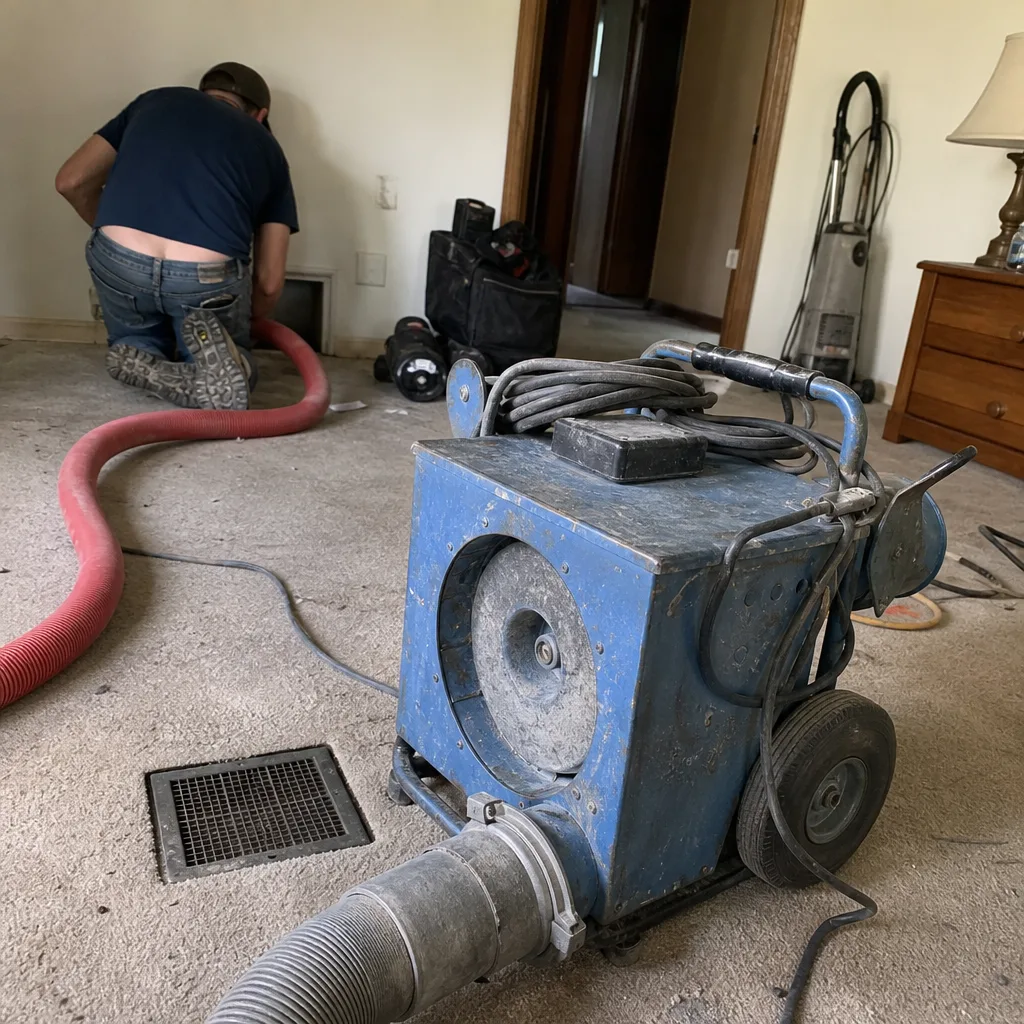
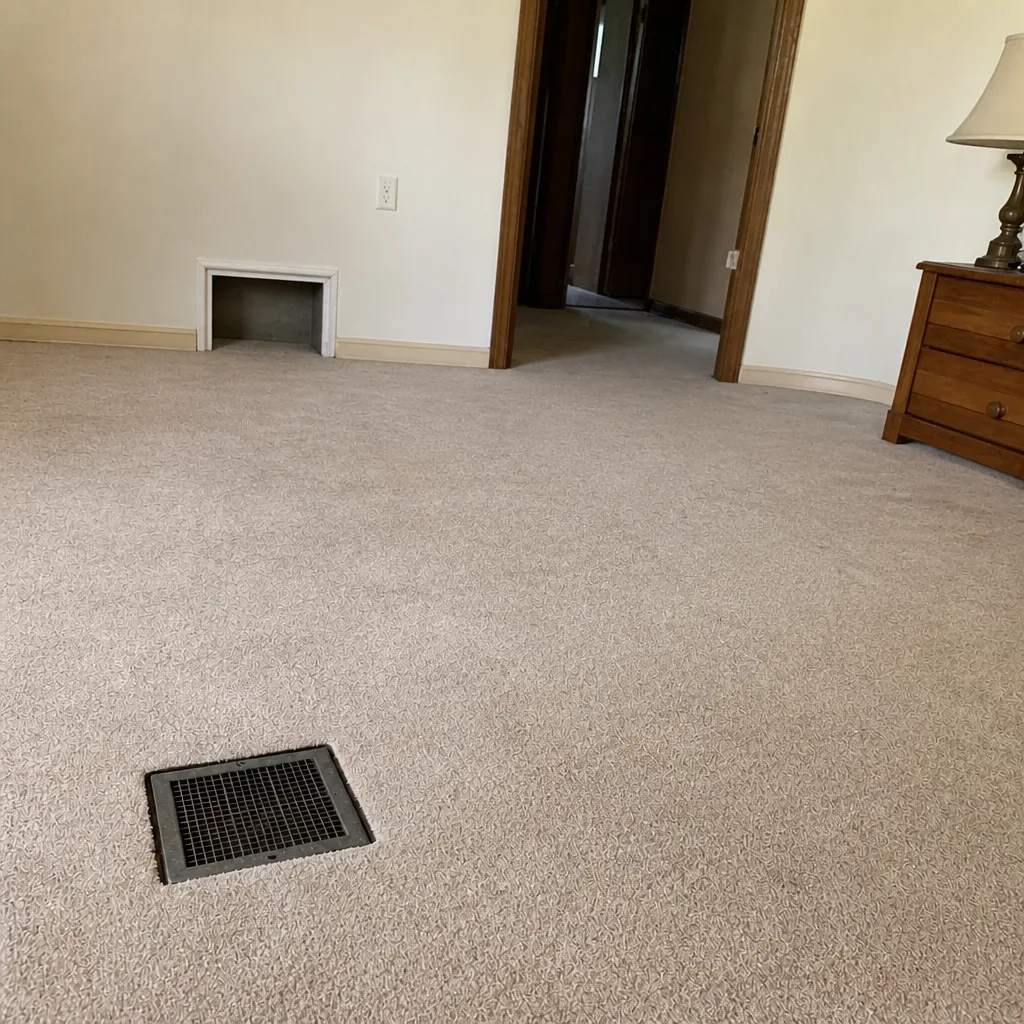
- Keep before-and-after photos. Visual records of the duct interior support the condition claim.
- Keep any permit and inspection records. Permitted repair work is documented work, and adjusters respect that.
- Keep sanitizing records. If antimicrobial treatment was applied, the product and application record matter.
We’re not an insurer, and we don’t decide what a policy covers. What we do is document the work thoroughly so that when you need records, you have them. That’s a small thing until the day it isn’t.
Records to Keep After Duct Work That Includes Repairs
If a Bellevue duct job includes any repair component, the paperwork is the deliverable that lasts. A written scope of work matters legally because it defines what was promised, what was done, and what wasn’t. Without it, memory and the invoice disagree, and the homeowner usually loses that argument.
Here’s what to keep on file:
- The written estimate and final invoice. Both, not just one. The estimate shows the original scope; the invoice shows the final price and any changes.
- The scope of work. A plain description of what was cleaned, what was repaired, and what was replaced.
- Before-and-after photos. Interior duct photos, not just exterior shots of the vents.
- Permit and inspection records if a permit was pulled. The inspection sign-off is the proof the work met code.
- Equipment and brand records. Which systems were used, and any air quality equipment serviced. Familiarity with Aprilaire and Honeywell whole-home systems matters here, because the record should show exactly what was touched.
- Sanitizing product information if treatment was applied, including the product name and the areas treated.
Keep these together in one file. When you sell the home or file a claim, you’ll have what you need in one place instead of hunting through email and drawers. One flat price per system, agreed in writing before work starts, is the foundation. The records are the proof it happened that way.
Common Mistakes to Avoid
- Assuming all duct work is unregulated. Cleaning is unregulated; repair and replacement are mechanical work under Tennessee’s code. Treating the two as the same leads to unpermitted repairs that surface at resale.
- Not asking whether a permit applies. The question costs nothing and prevents the most common documentation gap. Ask before the work starts, not after.
- Hiring a cleaner for repair work. A cleaning-only crew that can’t do the repair in-house tends to leave the disconnect in place or improvise. Ask whether the repair will be done by the same provider.
- Skipping before-and-after photos. Without interior photos, you have no record of what the ducts looked like before and after. Insist on them.
- Losing the paperwork. Losing the scope of work is the same as never having it when an inspector or adjuster asks. Keep it with your home records.
- Accepting a per-vent price quote. Per-vent pricing encourages skipping sections and inflates the bill. Whole-system pricing with a written scope keeps the job honest.
- Ignoring moisture in crawlspace duct runs. Bellevue’s humid months and sloped, wooded lots mean crawlspaces stay damp. Wet duct insulation is a repair signal, not a cleaning signal.
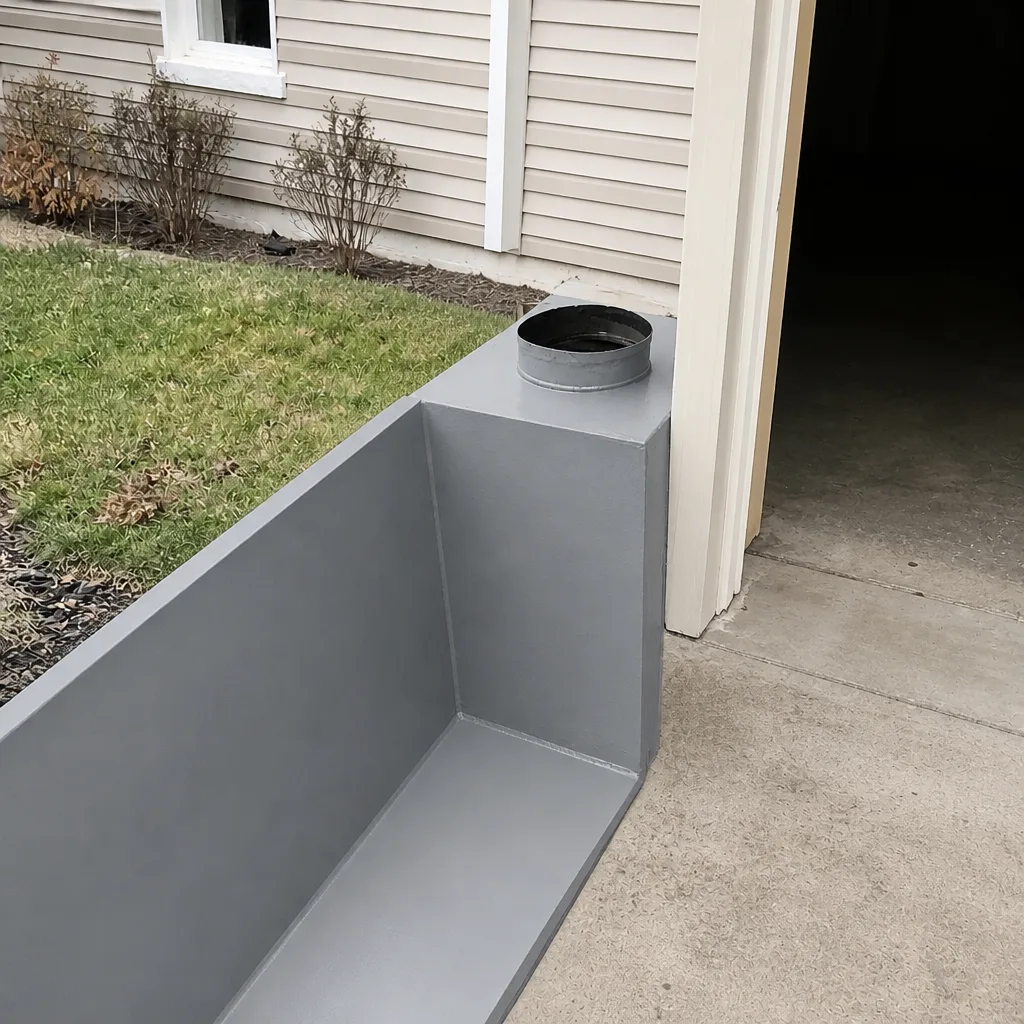
See the difference
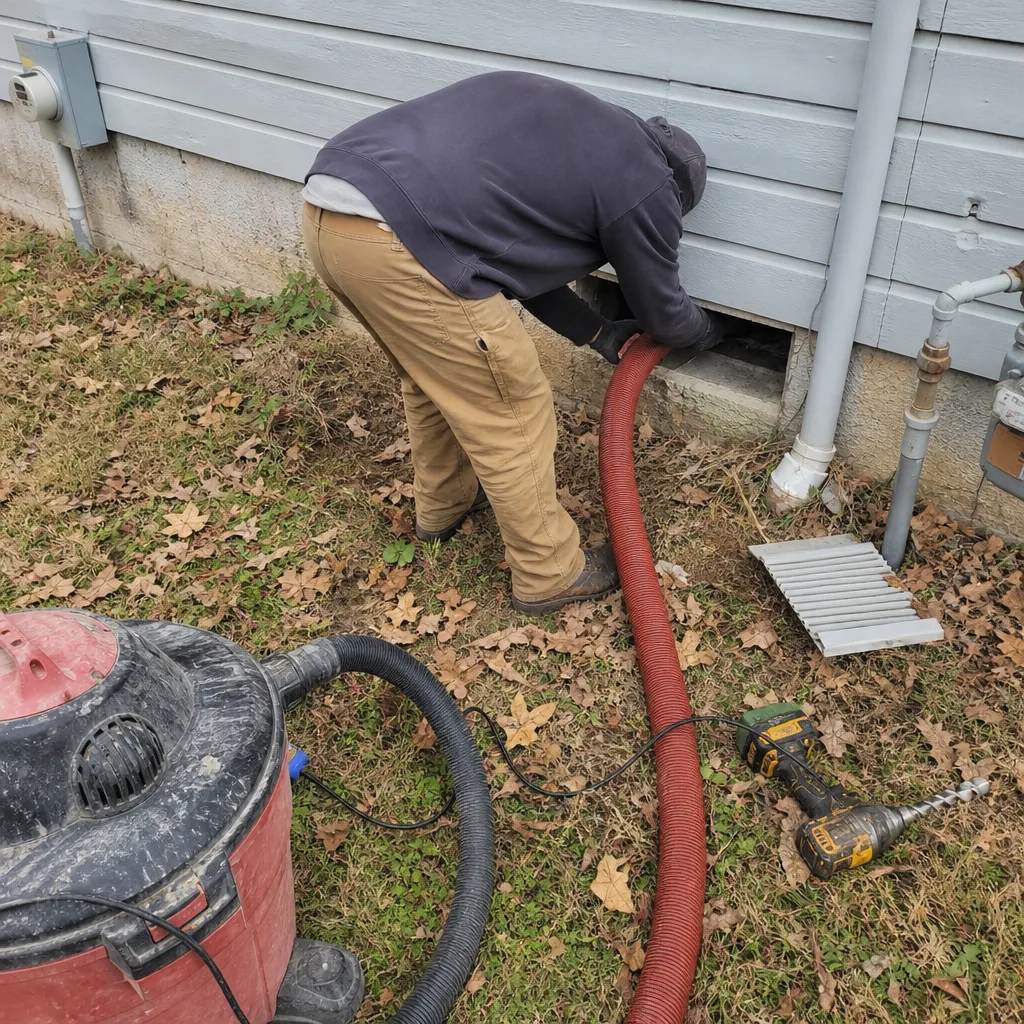 Before
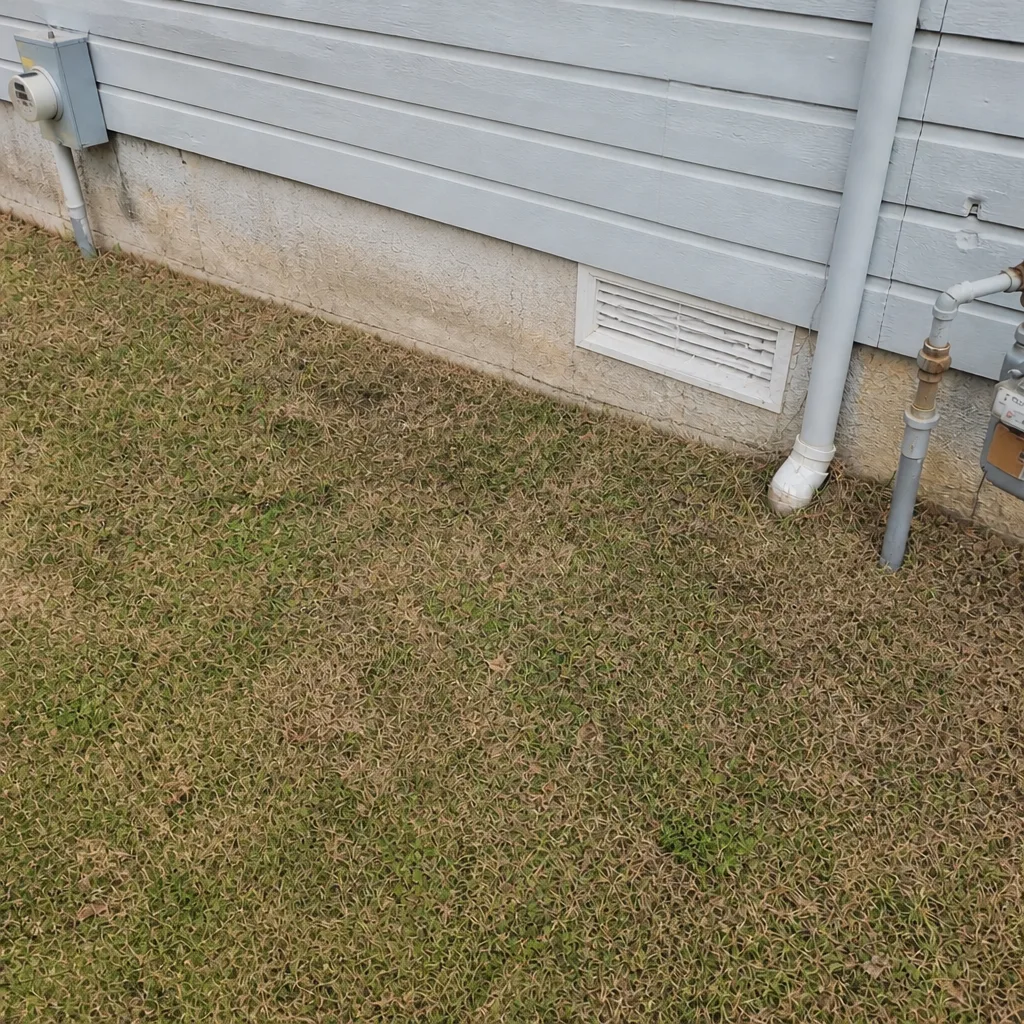 After
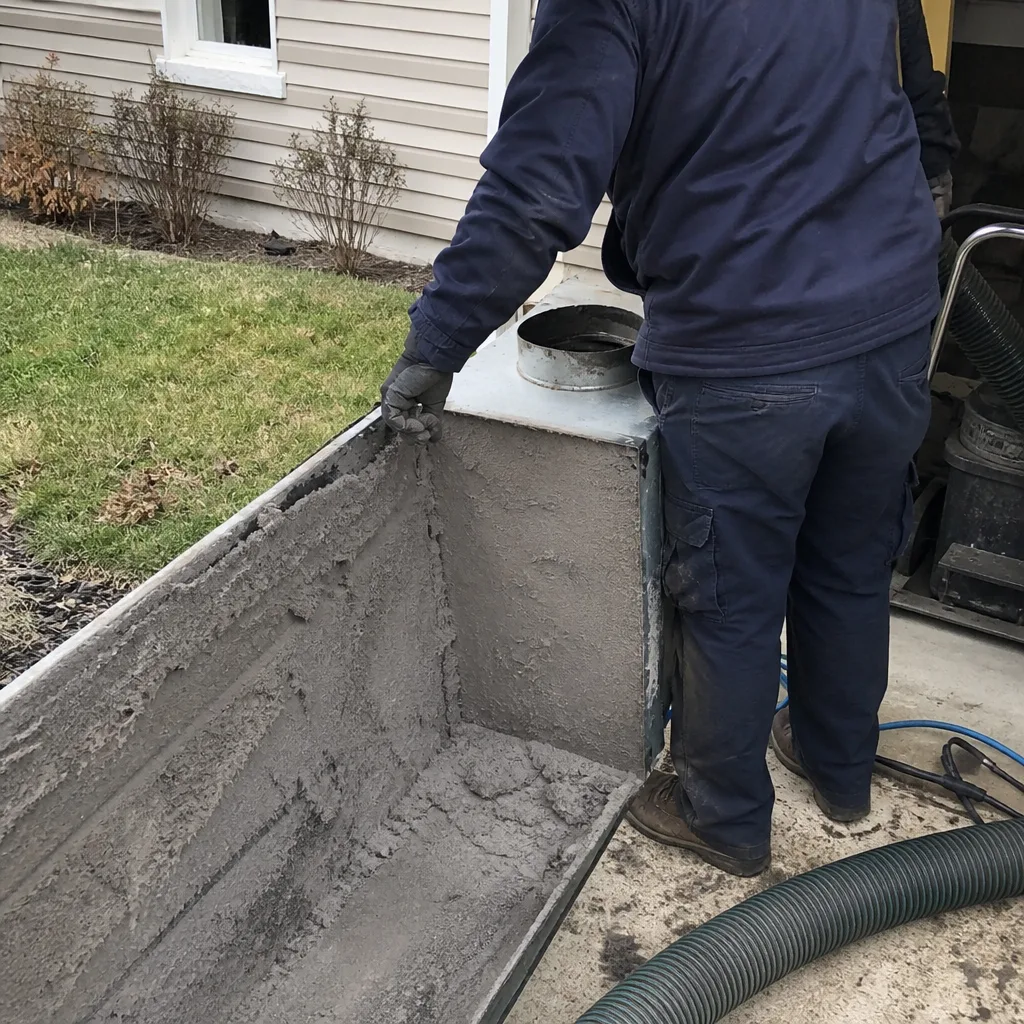 Before
 After
 Before
 After
When to Call a Professional
Call a professional when you’re seeing the signs of a duct problem you can’t verify by eye: worsening allergies with no other explanation, dust settling on surfaces within a day of cleaning, energy bills trending up without a rate change, or visible dust streaks around registers. Call when you’re selling and want the duct system documented before an inspector finds it. Call when a home inspector has already flagged disconnected flex duct, unsealed joints, or a rusted plenum. And call before any repair, because the repair-versus-cleaning question is the one that decides whether a permit applies. Air Duct Cleaning Bellevue offers free estimates in Bellevue and can tell you plainly which parts of the job are cleaning and which are mechanical. Call (877) 560-9584. We answer 24/7. Fast dispatch from 7am to 7pm, Sunday through Friday.
Frequently Asked Questions
No. Routine air duct cleaning in Bellevue does not require a permit. Duct repair, sealing beyond routine maintenance, duct board replacement, flex duct reconnection at scale, and plenum replacement are mechanical work under Tennessee’s residential building code and can require a Metro Nashville mechanical permit. Call (877) 560-9584 for an exact scope and a free estimate.
Cleaning removes debris from the inside of the duct and changes nothing structural. Mechanical work begins when the duct system’s components or layout change: reconnecting a separated joint, replacing duct board, or swapping out a plenum. If the physical assembly changes, it’s mechanical work. Call (877) 560-9584 and we’ll tell you which side of the line your job sits on.
It can. A home inspector will note disconnected duct, unsealed joints, and improvised repairs, and buyers may ask for documentation or remediation. If the repair can’t be verified as code-compliant, the fix may need to be redone properly. Documentation is the difference. Call (877) 560-9584 for a free estimate.
It depends on the policy and the cause. Sudden accidental water damage is often covered; mold is usually excluded unless it results from a covered peril. Documented professional cleaning establishes a baseline and supports the claim conversation. Keep the invoice, the scope of work, and interior photos. Call (877) 560-9584 for a documented, free estimate.
Keep the written estimate and final invoice, the scope of work, before-and-after interior photos, any permit and inspection records, equipment and brand records, and sanitizing product information. Store them together in your home records. A written scope of work is your legal protection if the work is ever questioned. Call (877) 560-9584 to discuss a documented job.
We price one flat price per system, agreed in writing before work starts, with no per-vent pricing and before-and-after photos of your own ducts. Coupon-style quotes tend to grow once the technician is on site; a written whole-system scope prevents that. Call (877) 560-9584 for an exact quote. Estimates are free.
The Bottom Line
Air duct cleaning in Bellevue doesn’t require a permit, but duct repair, sealing, replacement, and reconnection are mechanical work under Tennessee’s residential building code, and Metro Nashville’s permitting rules reach here. That dividing line is what matters at resale and in an insurance claim. Ask before the work starts whether a permit applies. Insist on a written scope of work, before-and-after interior photos, and records you can hand to an inspector or an adjuster. A provider that can repair what it finds, in-house, and explain the difference between cleaning and alteration is the one that leaves you with documentation instead of questions.
Duct work raises more questions when it mixes cleaning with repair. We answer them plainly, scope the job in writing, and handle repair and sealing in-house so nothing gets left open. Call (877) 560-9584 for a free estimate. We answer 24/7. Fast dispatch from 7am to 7pm, Sunday through Friday.
Written by the team at Air Duct Cleaning Bellevue.