
Last updated November 22, 2026
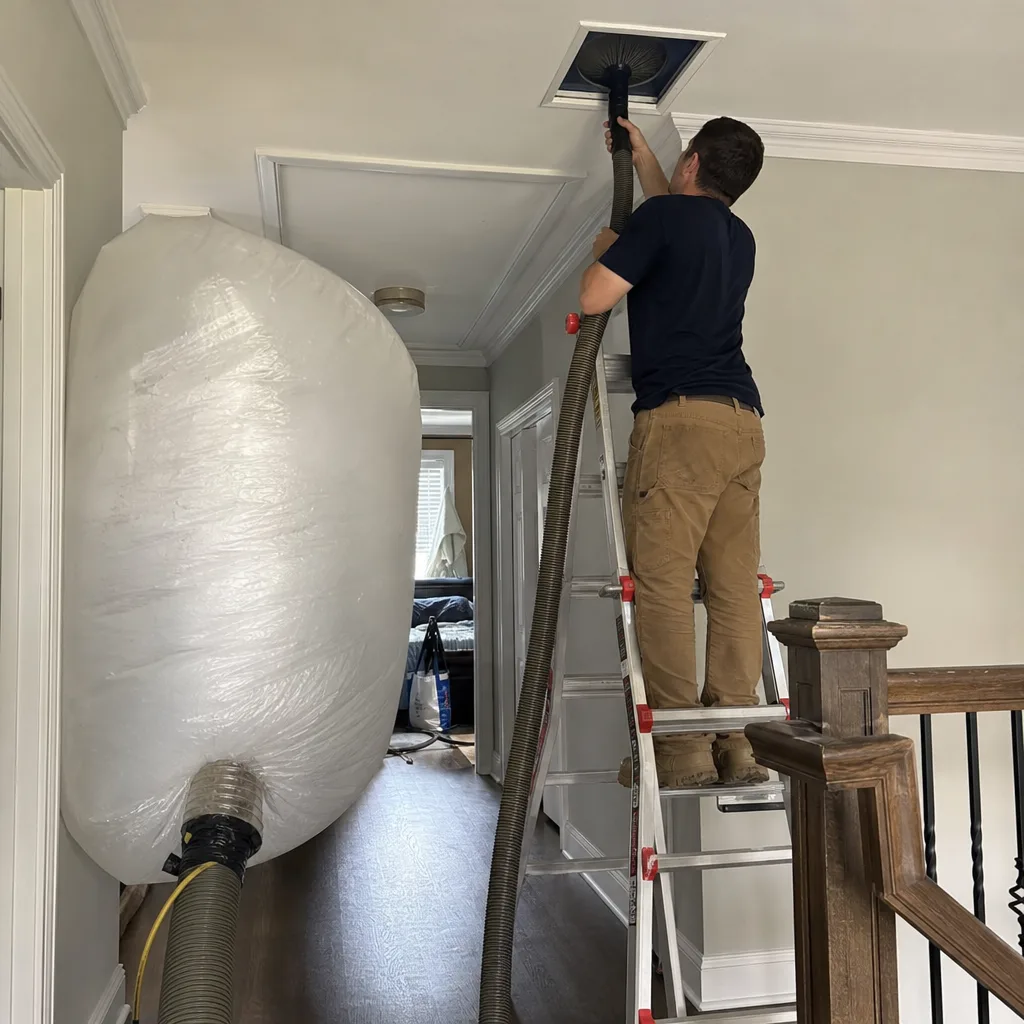
 Whole-home duct cleaning
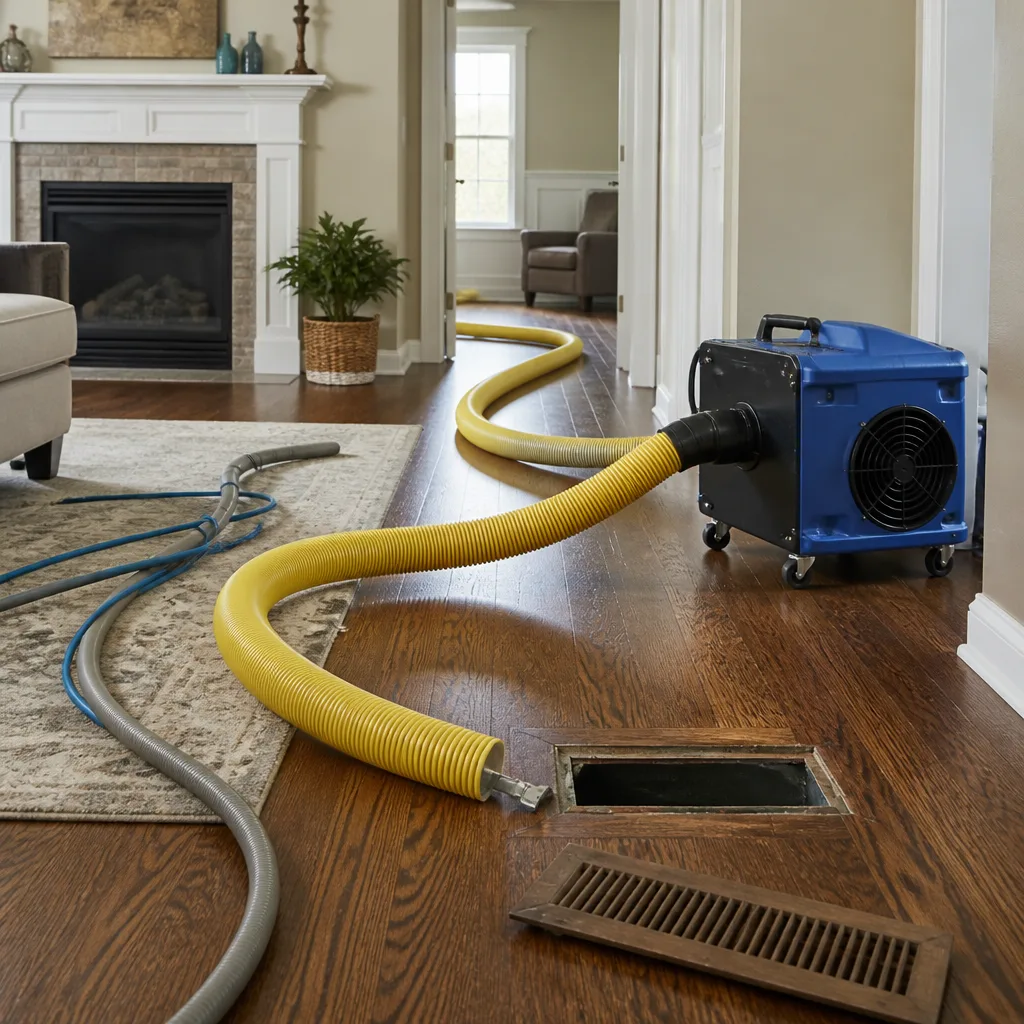
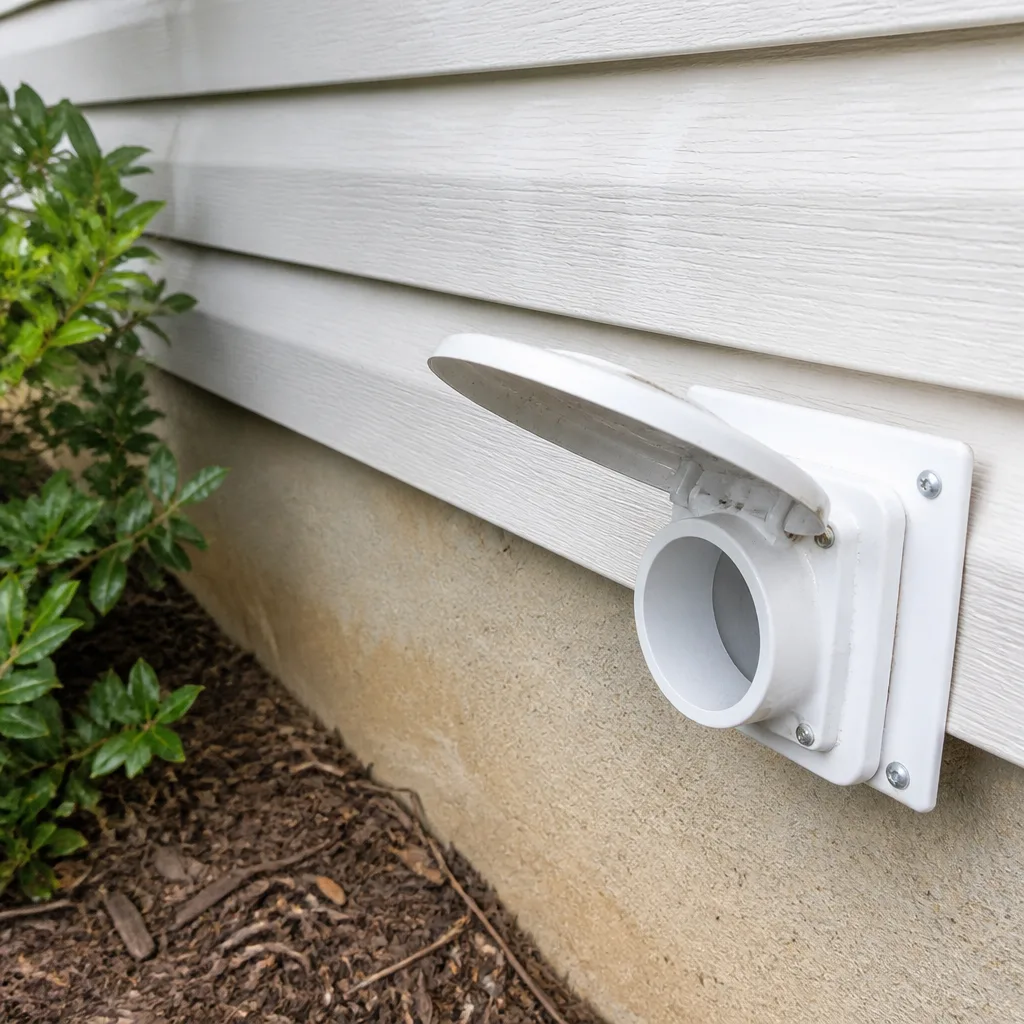 Dryer vent cleaning
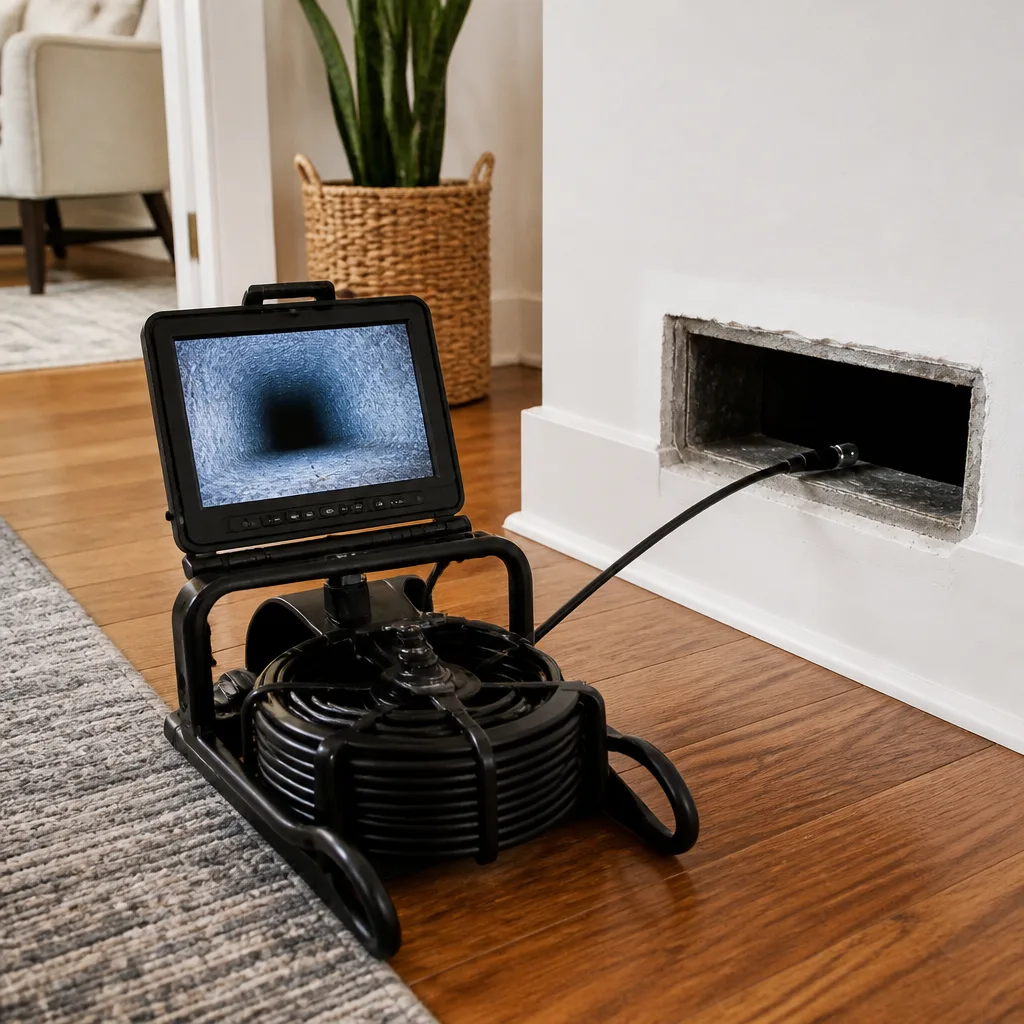 Camera inspection
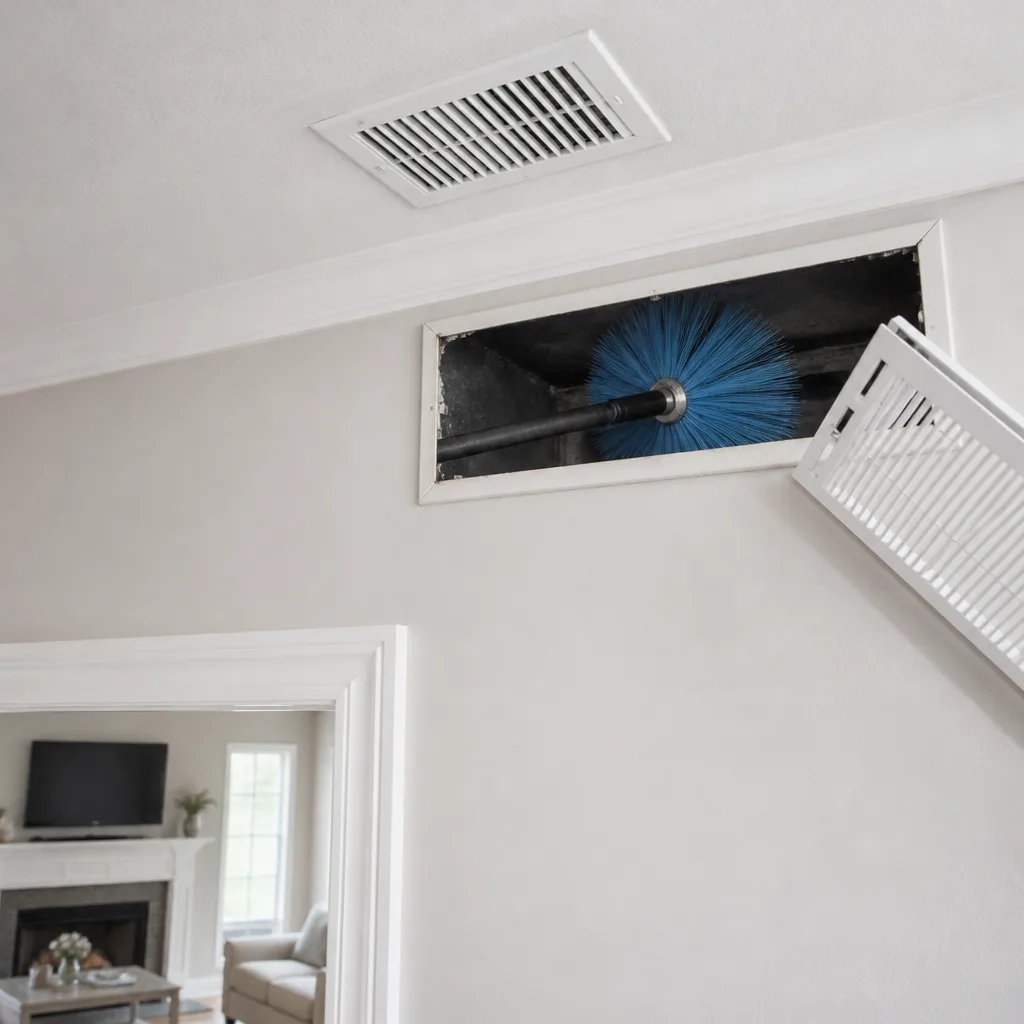 Sanitizing & deodorizing
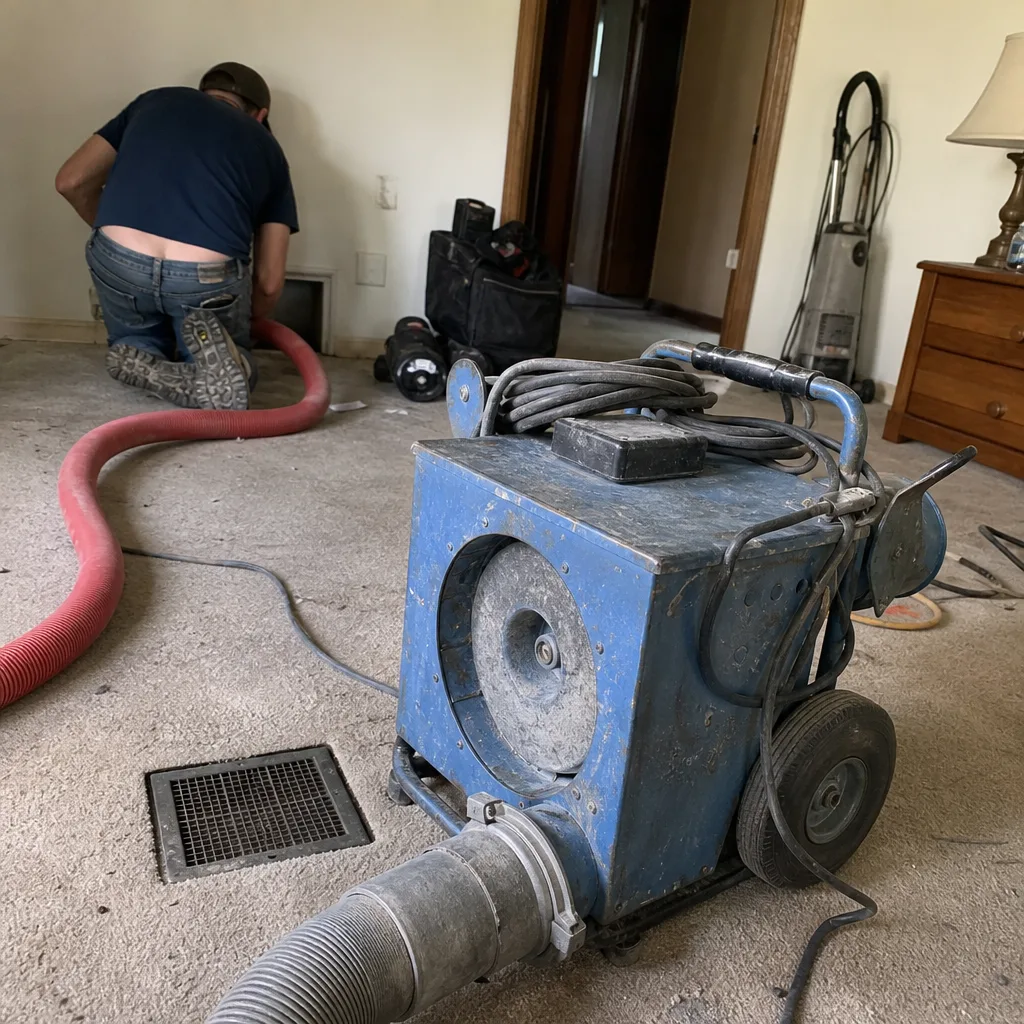
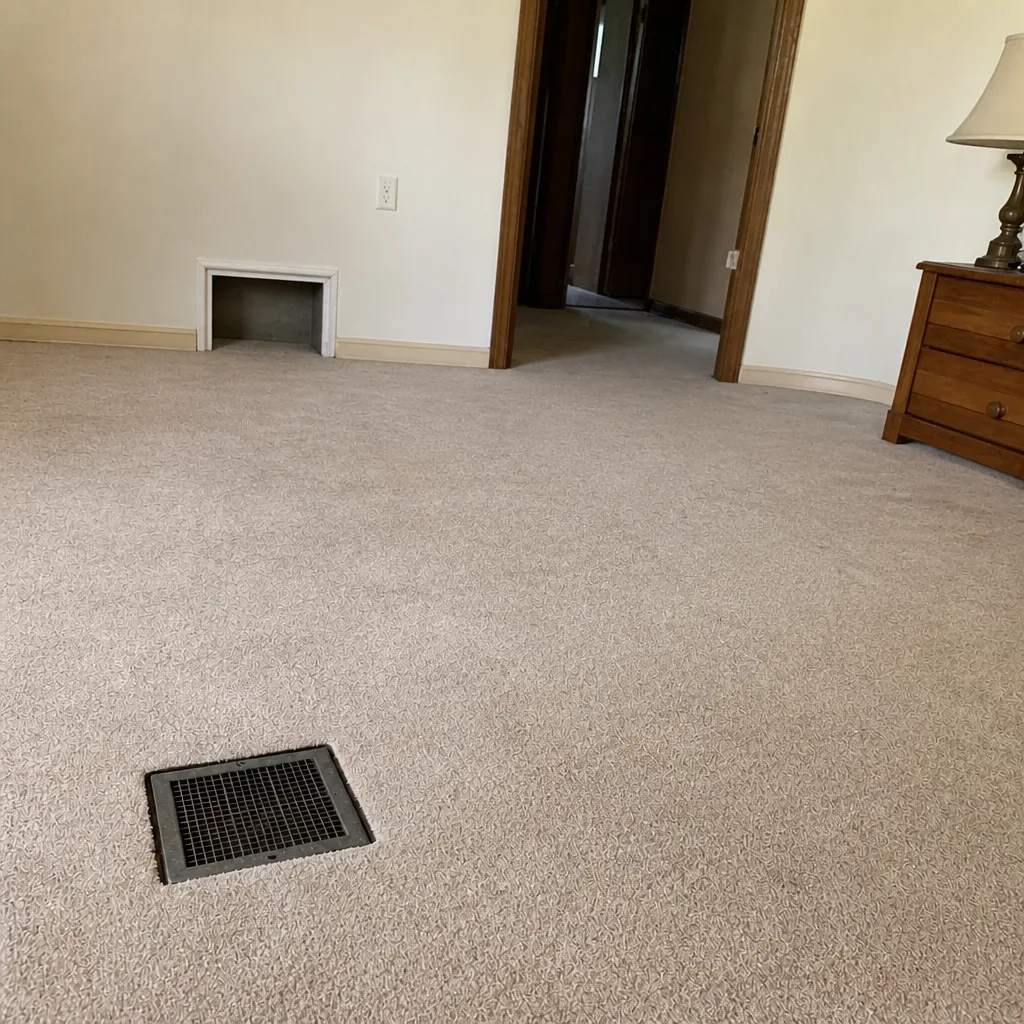
Whole-system duct and dryer vent check with before-and-after photos - you see exactly what came out of your vents
That "$99 whole-house special" is a bait ad - the real number appears once they are in your hallway, or the "clean" is a shop-vac at the register. We photograph the inside of your ducts before and after instead.
Air Duct Cleaning Warning Signs: A Bellevue Homeowner’s Reference Guide
Most homeowners start researching ducts because of allergies. It’s the most-searched symptom by a wide margin, and also the least reliable one, since a dozen other things in a house produce identical congestion and sneezing. The signals that actually tell a technician something is wrong are quieter: a room that never quite warms up, a musty smell that shows up only when the heat runs, a filter that loads up months ahead of schedule. This guide walks through those functional warning signs, separates them from the cosmetic ones, and explains what each pattern usually means in a Bellevue home. You’ll finish with a simple self-assessment you can run before you ever pick up the phone.
Quick Answer
The most urgent air duct warning signs in Bellevue are functional, not cosmetic: uneven airflow between rooms, pressure imbalance (doors that pull shut or whistle at the gap), musty odors that appear in only one HVAC mode, and filters that clog faster than their rated interval. Visible dust at a register is worth noting, but it’s usually the least diagnostic clue. Odor timing, filter loading rate, and room-to-room temperature gaps tell a technician far more about what’s actually happening inside the system.
Styles & brands we work with
- Whole-home duct cleaning
- Dryer vent cleaning
- Camera inspection
- Sanitizing & deodorizing
Table of Contents
- Aesthetic vs. Functional Warning Signs
- The “Musty Smell Only in One Mode” Indicator
- What Filter Loading Rate Tells a Technician
- Post-Renovation and Post-Pest Warning Signs
- Pressure Imbalance and Uneven Room Performance
- A Self-Assessment Framework Before You Call
- What a Full-System Cleaning Actually Involves
- When the Ducts Need Repair, Not Just Cleaning
Aesthetic vs. Functional Warning Signs
Dust on a supply register is the sign everyone notices and the one that matters least on its own. A thin film of household dust settles on grilles regardless of duct condition, because dust is always present in the air of an occupied home. What separates a cosmetic annoyance from a genuine problem is whether the symptom reflects how the system is performing, not just how it looks.
Functional warning signs are urgent because they point to something happening inside the system’s operation – airflow restriction, leakage, contamination at the coil, or a pressure problem the blower has to fight. Left alone, these tend to get worse and can shorten the life of the HVAC equipment itself. Cosmetic signs tell you the system exists. Functional signs tell you it’s struggling.
A quick way to sort them:
- Aesthetic: light dust on supply grilles, occasional dust streaks on a ceiling near a register, a dusty return grille. Note it, but don’t panic.
- Functional: rooms that never reach the thermostat setting, doors that pull or whistle when the blower starts, a filter that darkens weeks ahead of schedule, odors tied to a specific mode, or a noticeable drop in airflow from a vent that used to blow hard.
In our experience across Bellevue, the functional signs are the ones that justify a proper inspection. A home that “just seems dusty” may simply need a better filter strategy. A home where the back bedroom is always three degrees off is telling you something structural about the ducts.
The “Musty Smell Only in One Mode” Indicator
An odor that appears only when the cooling runs, and disappears when the heat comes on, is a different diagnosis from one that appears only during heating. Homeowners usually lump these together as “musty ducts,” but they come from different sources, and the right response is different for each.
Odor during cooling most often traces to the evaporator coil and its drain pan. A coil that stays damp between cycles collects dust and biological growth, and the smell travels through the supply ducts. This is an air-conditioning and coil issue as much as a duct issue.
Odor during heating points elsewhere. It can be dust burning off a heat exchanger at the start of the season (brief and normal), or it can be a sign of contamination in the duct lining, or in some cases an issue at the heat exchanger itself. That last possibility is worth taking seriously; a technician should look at it before assuming the ducts are simply dirty.
Why the distinction matters: if a company cleans the ducts but doesn’t address a wet coil, the smell returns. A full-system approach means inspecting the air handler, coil, and drain alongside the ducts. This is also why a service that handles HVAC cleaning alongside duct cleaning can diagnose and fix the real source rather than just the symptom.
What Filter Loading Rate Tells a Technician
A filter that clogs faster than its rated interval is one of the most useful diagnostic clues a technician can get, because it quantifies how much particulate is reaching the filter. A filter rated for three months that’s visibly loaded in three weeks is telling you the system is pulling in more debris than a normal return path should carry.
That pattern can mean several things:
- Return-side leakage. If the return ductwork pulls air from an attic, crawl space, or garage instead of the living space, it’s bringing in unfiltered outside and structural air, and the filter catches all of it.
- Bypass air. A filter that doesn’t seat properly lets air slip around its edges, so the system runs dirtier even as the filter fills.
- Upstream contamination. Debris built up in the return ducts themselves gets carried to the filter, so a freshly cleaned or new filter loads quickly.
- Construction or renovation dust. Recent work in the home stirs up fine particulate that a normal filter interval wasn’t designed for.
None of these are visible at the register, which is exactly why filter behavior is such a good early indicator. If you’re changing filters more often than the box says, that alone is a fair reason to have the system inspected. A trained eye can tell the difference between a filter doing its job and a system pulling dirty air from somewhere it shouldn’t.
Post-Renovation and Post-Pest Warning Signs
Two categories of duct trouble are easy to overlook in Bellevue homes because they follow life events rather than season changes: renovation and pest work.
After attic or renovation work, insulation debris and fine construction dust often end up in the duct system. If an attic was re-insulated, a ceiling was opened, or a room was added, and the system wasn’t protected during the work, loose fiberglass or dust can settle in the supply runs. A homeowner may notice an increase in visible dust and a filter that loads quickly. This is a common one in older Bellevue homes where an attic has been topped up or a mechanical system was reworked.
After pest treatment or pest discovery, crawl space flex duct runs deserve a close look. Rodent activity in a crawl space can leave evidence in or around flexible ductwork, and flex duct is easy for a rodent to damage. A duct that’s been chewed or disconnected in a crawl space is delivering air to the crawl space instead of the room, and it’s pulling crawl-space air into the supply side.
Signs to watch for after either event:
- New or increased dust at supply registers shortly after work was done
- Musty or earthy odors, especially in rooms above a crawl space
- A room that suddenly gets weaker airflow than it did before
- Filter loading accelerating with no other explanation
- Visible insulation fibers or debris at a register
These are exactly the kinds of problems that turn a routine cleaning into a repair call. A team that only vacuums ducts can’t close the loop, which is why we look for damaged runs during the job and fix what we find in the same visit rather than sending you off to find a separate contractor.
Pressure Imbalance and Uneven Room Performance
Uneven room temperatures are the most underreported duct problem in the Seattle-area market, and they usually point to a balance or leakage issue rather than a dirty filter. If one room in a Bellevue home never reaches the thermostat setting, while the rest of the house is comfortable, the system is telling you something about how air is moving.
The common pattern is a home where the thermostat sits in a central hallway that heats evenly, while a bedroom at the end of the run stays cool. The supply run feeding that room may be undersized, leaking at a joint, or routed inefficiently. Duct leakage on the supply side loses conditioned air before it ever reaches the room. Leakage on the return side pulls in the wrong air entirely.
Pressure imbalance shows up in specific ways:
- A door that pulls itself shut or swings open when the blower starts
- A whistling gap under a door, or a door that’s hard to latch
- A noticeable tug of air at a register that shouldn’t be drawing air in
- Warm or cold spots that follow particular rooms rather than seasons
These aren’t cosmetic. A house that’s consistently pulling air in through a gap is also pulling in whatever is near that gap, and a return that’s short on air size makes the blower work harder than it should. If a room in your Bellevue home has never been quite comfortable, the ducts are a fair place to look before assuming the thermostat or the AC unit is at fault.
A Self-Assessment Framework Before You Call
You don’t need to diagnose the problem yourself. What you can do is gather the clues a technician would ask for anyway, which makes the visit faster and the recommendation more accurate. Here’s a simple framework, done over a day or two at home.
- Log your filter date and load rate. Note when you changed it and how it looks each week. If a three-month filter is dark in three weeks, that’s a data point worth sharing.
- Check each room’s performance. Walk the house while the system runs and note which rooms are comfortable and which aren’t, and whether the thermostat’s location is representative.
- Listen at the doors. Stand near interior doors when the blower starts and notice pulling, whistling, or a hard time latching. That tells you the system is moving pressure the wrong way.
- Catalogue odors by mode. Notice whether a smell appears only with heat, only with cooling, or all the time. That distinction alone can change the picture.
- Note recent events. Renovations, attic work, pest activity, a new filter brand, or a change in the system setting all belong on the list.
- Look at the return. Cracks at the return grille, a loose filter cover, or visible dust on the return side all matter.
That’s the entire framework. The goal isn’t to fix anything yourself; it’s to give the technician a clear set of observations so the inspection starts from facts. If your ducts have been cleaned recently but the symptoms persist, this log also helps a professional find what a previous visit missed. When you’re ready, the next step is air duct cleaning from a team that can look at the whole system, not just the registers.
What a Full-System Cleaning Actually Involves
A warning sign tells you something is wrong. A proper cleaning addresses it, and the equipment used is where the difference separates serious work from a surface job. This is the piece most homeowners have no frame of reference for, so it’s worth spelling out what a thorough visit looks like.
Professional-grade equipment matters at every stage. We run Rotobrush and Nikro systems – the same class of tools used by commercial and restoration contractors – because consumer-grade portable units can’t move enough air to dislodge built-up debris from long duct runs. For controlling what’s kicked up during the job, we use Abatement Technologies HEPA and negative-air equipment, which is typically reserved for remediation work. That matters in a Bellevue home because it keeps particulate contained rather than redistributing it through the house.
A full-system visit generally follows this shape:
- Inspection of the supply and return runs, the air handler, and the coil area
- Containment set up so the cleaning doesn’t spread dust through the living space
- Mechanical agitation of the duct interior to break loose settled debris
- Extraction with high-powered equipment to pull the loosened material out
- Assessment of filtration and humidity equipment, including Aprilaire and Honeywell systems, which can be cleaned and checked in the same visit
- A written report of what was found, what was cleaned, and any repairs needed
The ducts are only part of it. A home with a dryer near the laundry also benefits from a dryer vent cleaning, since lint buildup in that run is a recognized fire risk and one of the most common safety issues a home inspection will flag. One visit can cover the whole air system.
When the Ducts Need Repair, Not Just Cleaning
Some warning signs aren’t about dirt at all. A duct that’s disconnected, crushed, or leaking needs sealing or repair, and cleaning alone won’t fix it. The signs that push a job into repair territory:
- Visible leakage at joints or seams, often seen as dust streaks or dirty insulation around a duct connection
- A disconnected run, common in flex duct and especially in crawl space or attic runs
- Crushed or kinked flex duct, which restricts airflow worse than dirt ever could
- Persistent room imbalance after a cleaning, which points to duct geometry rather than contamination
- Rodent damage, including torn insulation, chewed sections, or nesting material
This is the category that distinguishes a full-service provider from a cleaning-only one. If a technician finds a disconnected or damaged run during the job, the right response is to repair and seal it on the spot, then verify it. Otherwise the home pays for a cleaning and keeps the original problem. We repair what we find, which is the whole point of an inspection done with the repair tools already on hand.
Sealing matters for efficiency too. A supply duct that leaks into an attic is a small but steady loss on every cycle, and it’s one of the reasons a home’s energy use can drift upward without an obvious cause. If your Bellevue home has been running a bit more expensively each season, the ducts are a fair place to look before blaming the equipment.
Common Mistakes to Avoid
- Judging duct condition by one register. A dusty grille is cosmetic. The real signal is airflow performance and filter load, not a visible film on a vent.
- Cleaning before diagnosing. If you don’t know why the filter loads fast or why a room is uneven, a cleaning may not solve it. Get the symptom pattern sorted first so the visit addresses the right thing.
- Assuming a coupon price reflects the whole job. Whole-system cleaning covers all the supply and return runs, the air handler, and the coil area. A per-vent quote can leave most of the system untouched. Ask for a whole-system range and a written estimate before any work begins.
- Ignoring an odor by mode. Treating a musty smell as “just dirty ducts” misses the wet-coil or heat-exchanger issue that’s actually causing it. Note when the smell happens, not just that it happens.
- Skipping the dryer vent. A clean air duct system alongside a clogged dryer vent still leaves a fire risk in place. Both belong to the same household air system and often to the same visit.
- Calling a different company for every symptom. When a cleaning reveals damaged duct, the repair should happen during the same job. Splitting it across providers adds cost and delays the fix.
- Over-trusting a filter upgrade. A higher-MERV filter doesn’t fix duct leakage or correct a pressure imbalance. It catches more particulate; it doesn’t repair the system pulling the particulate in.
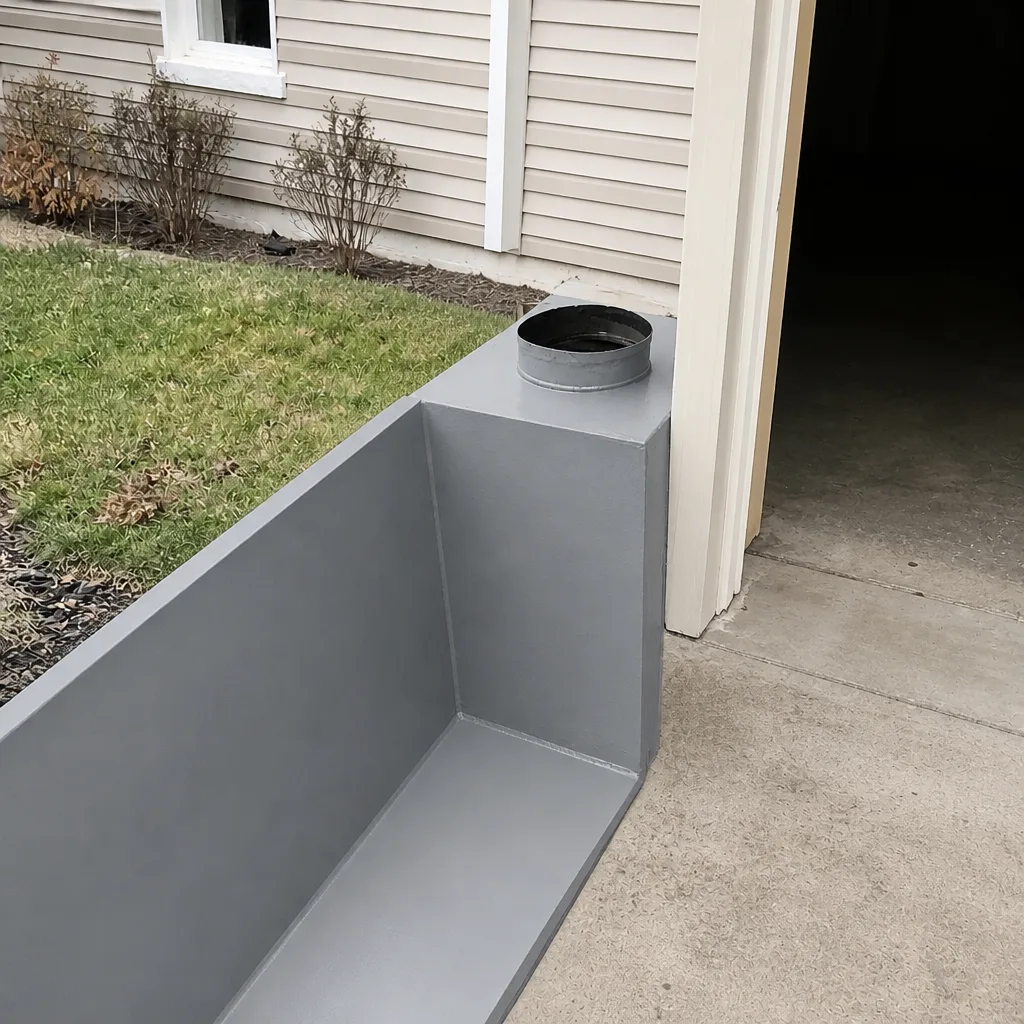
See the difference
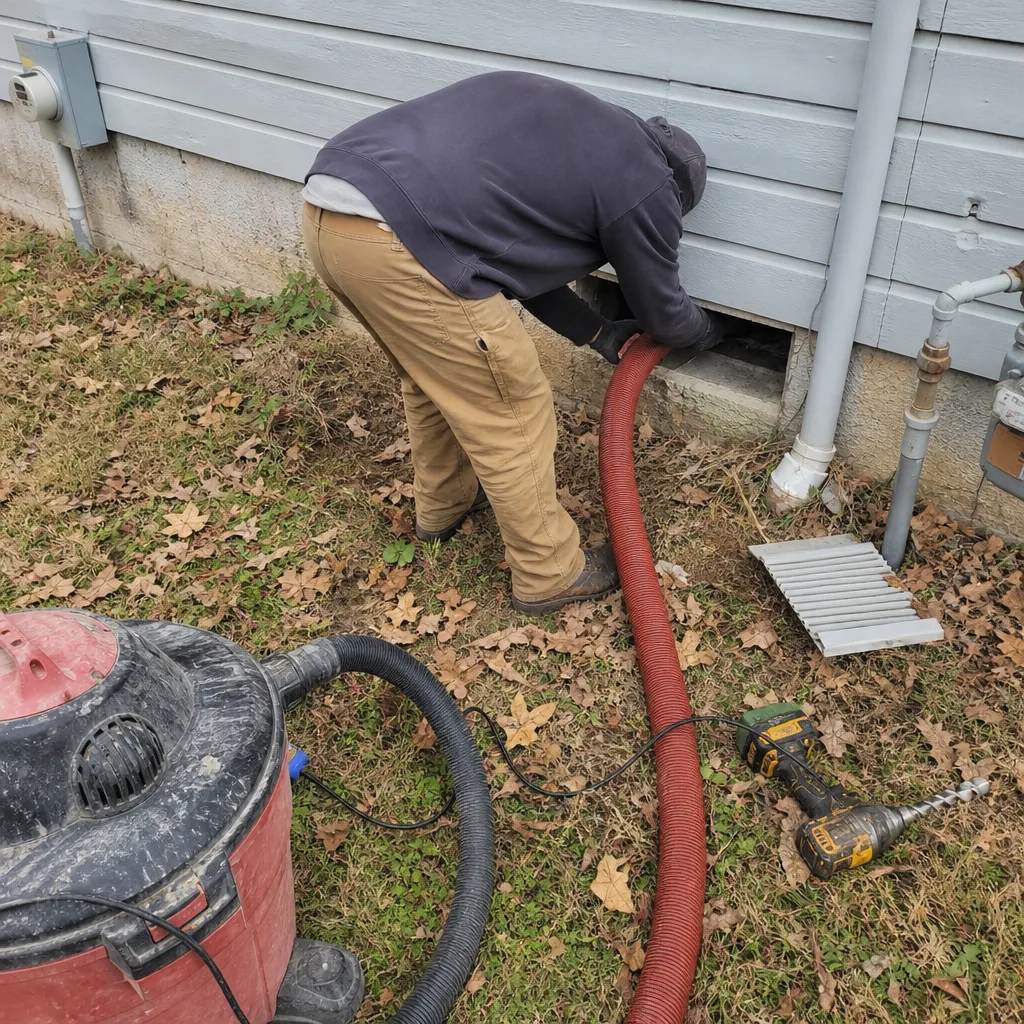 Before
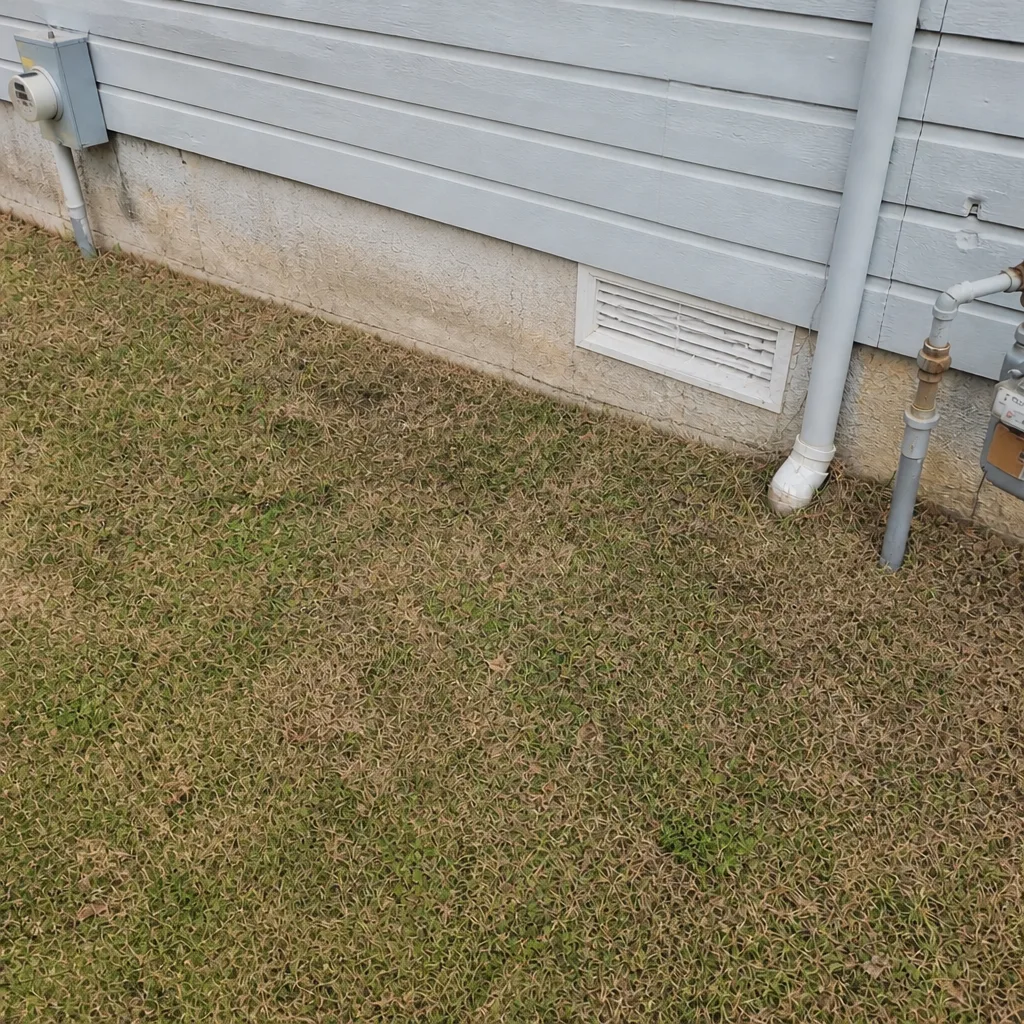 After
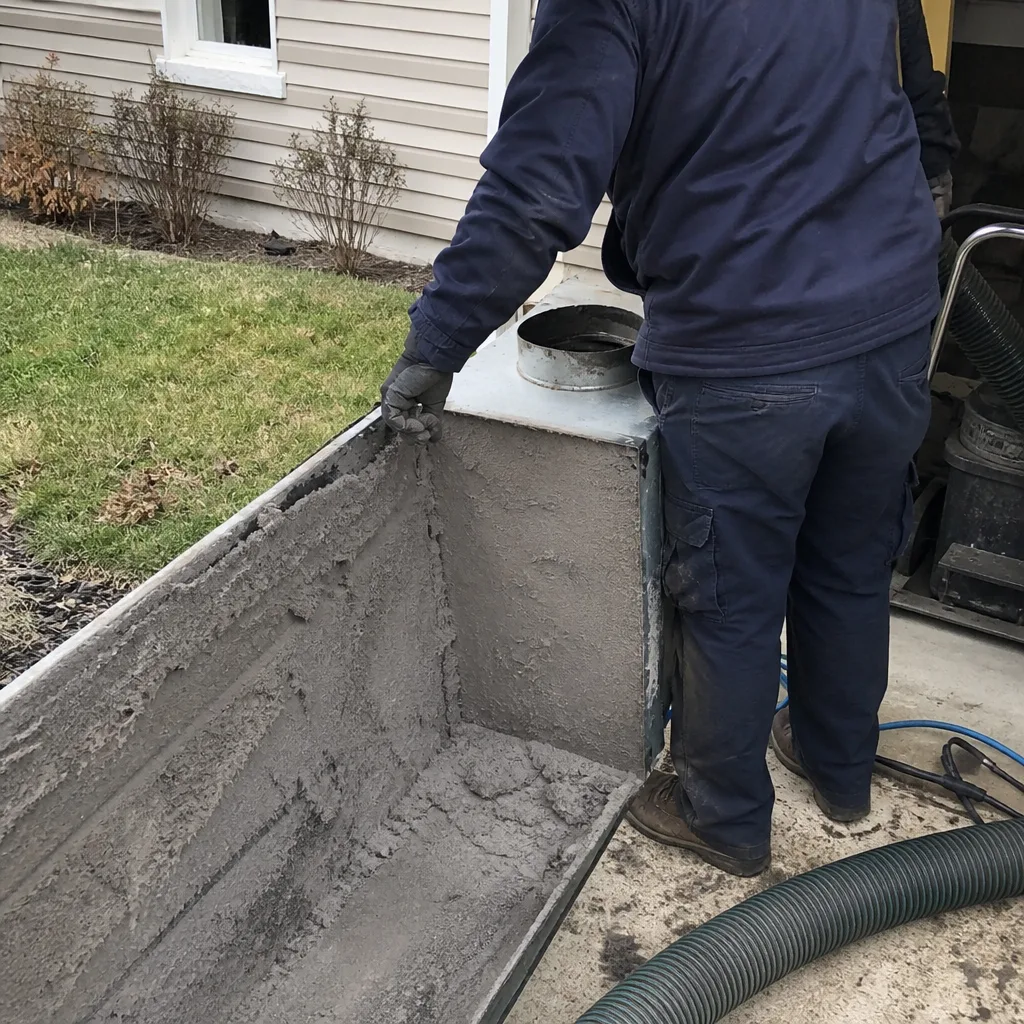 Before
 After
 Before
 After
When to Call a Professional
Call a professional when the warning sign points to something you can’t see from the register: a filter that clogs early, an odor tied to a specific mode, a room that won’t heat or cool evenly, or evidence of pest or renovation damage in the duct runs. A homeowner can handle filter changes and basic housekeeping; a qualified technician should handle anything involving the air handler, coil, duct lining, or heat exchanger, because those involve safety and the results depend on proper equipment and containment. Air Duct Cleaning Bellevue offers free estimates in Bellevue. Call (877) 560-9584.
Frequently Asked Questions
Look for functional signs, not just visible dust: uneven room temperatures, musty odors that appear in only one HVAC mode, filters that clog faster than their rated interval, or new dust after renovation or pest work. Those patterns are more diagnostic than a dusty register. A free estimate with a proper inspection will confirm what’s actually needed.
Often, yes. A musty smell during cooling usually traces to a damp evaporator coil or drain pan, while a smell during heating can point to duct lining contamination or a heat exchanger issue. The mode in which the smell appears changes the diagnosis. Call (877) 560-9584 to have the system inspected before assuming it’s only dirty ducts.
Fast filter loading usually means the system is pulling in more particulate than it should, which can come from return-side leakage, bypass around the filter, or contamination already in the return ducts. It’s a useful diagnostic clue that a cleaning and inspection will clarify. Call (877) 560-9584 for an exact quote, and estimates are free.
There’s no fixed interval that fits every home. A clean, well-sealed system may go years without needing service, while a home with recent renovation, pest activity, or a leaking return may need attention sooner. The right trigger is a functional warning sign, not a calendar date. When the symptoms appear, call (877) 560-9584 and we’ll help you sort out what’s appropriate.
Whole-system prices depend on the number of runs, the home’s layout, and whether any repair is needed, so the written estimate after an inspection sets the final price. The best way to get a fair number is a whole-system range rather than a per-vent quote, and a written estimate before work begins. Call (877) 560-9584 for an exact quote.
Cheap quotes usually cover only a portion of the system, such as the visible supply vents, and rely on low-powered equipment that can’t dislodge debris from long ducts. A whole-system job includes the returns, the air handler, the coil area, and proper HEPA containment during the work. It’s a different scope, not a discount on the same job. Call (877) 560-9584 to compare like for like.
The Bottom Line
Dust at a register is the warning sign everyone notices; the ones that actually matter live in the system’s behavior. Filter load rate, room-by-room performance, door whistle and pull, and odors tied to one HVAC mode are the clues a technician uses to build a diagnosis. In Bellevue, post-renovation dust and crawl-space duct damage are worth watching specifically, since both can turn a routine cleaning into a repair. Gather the clues with the self-assessment above, get a written whole-system estimate, and make sure the team inspecting can also fix what it finds. That’s the practical way to look after the air in any Bellevue home.
If you’d rather just have it looked at properly, our technicians have up to 11 years of experience and use professional-grade Rotobrush, Nikro, and Abatement Technologies equipment so the job is thorough and contained. Learn more about the full range of services on our Air Duct Cleaning Bellevue page, and call (877) 560-9584 for a free estimate. We answer 24/7. Fast dispatch from 7am to 7pm, Sunday through Friday. A call outside dispatch hours is booked into the next opening, Sunday through Friday, 7am to 7pm.
Written by the team at Air Duct Cleaning Bellevue.