
Last updated November 22, 2026
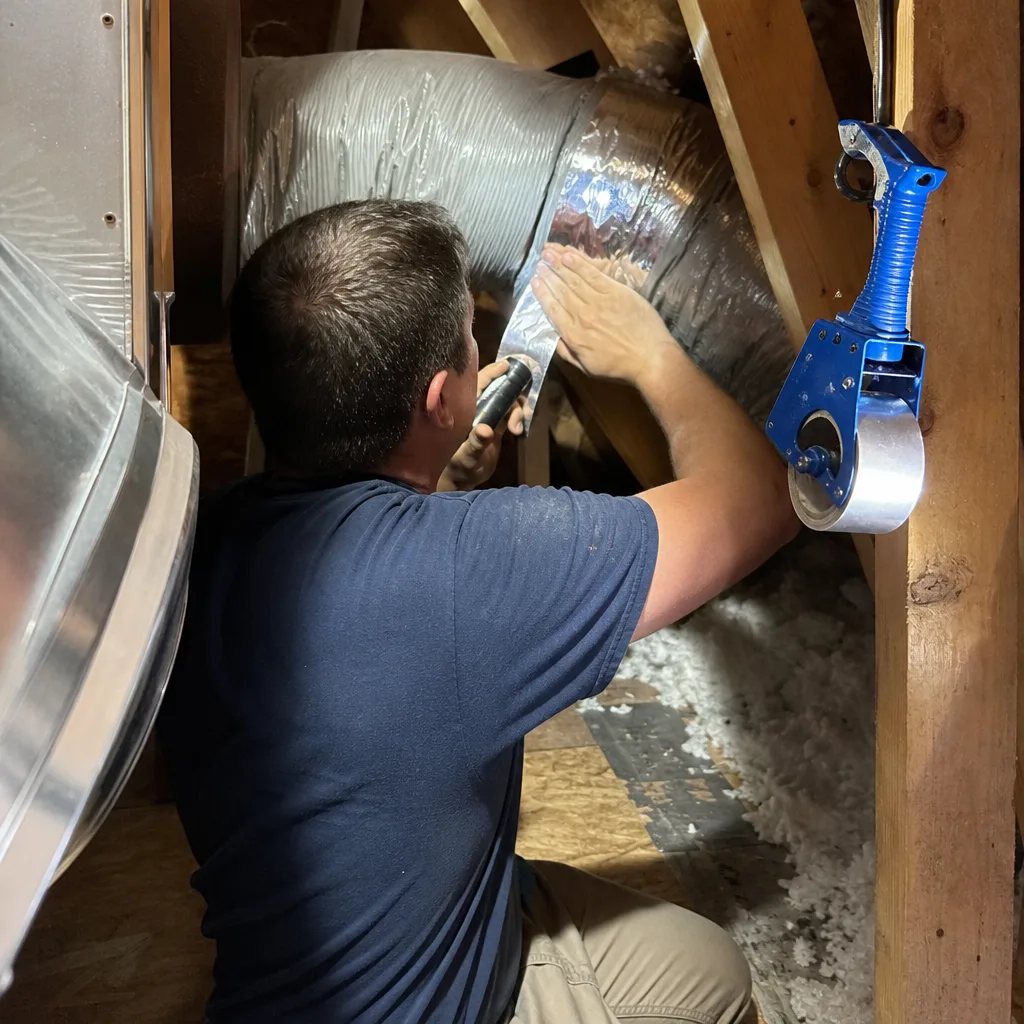
 Whole-home duct cleaning
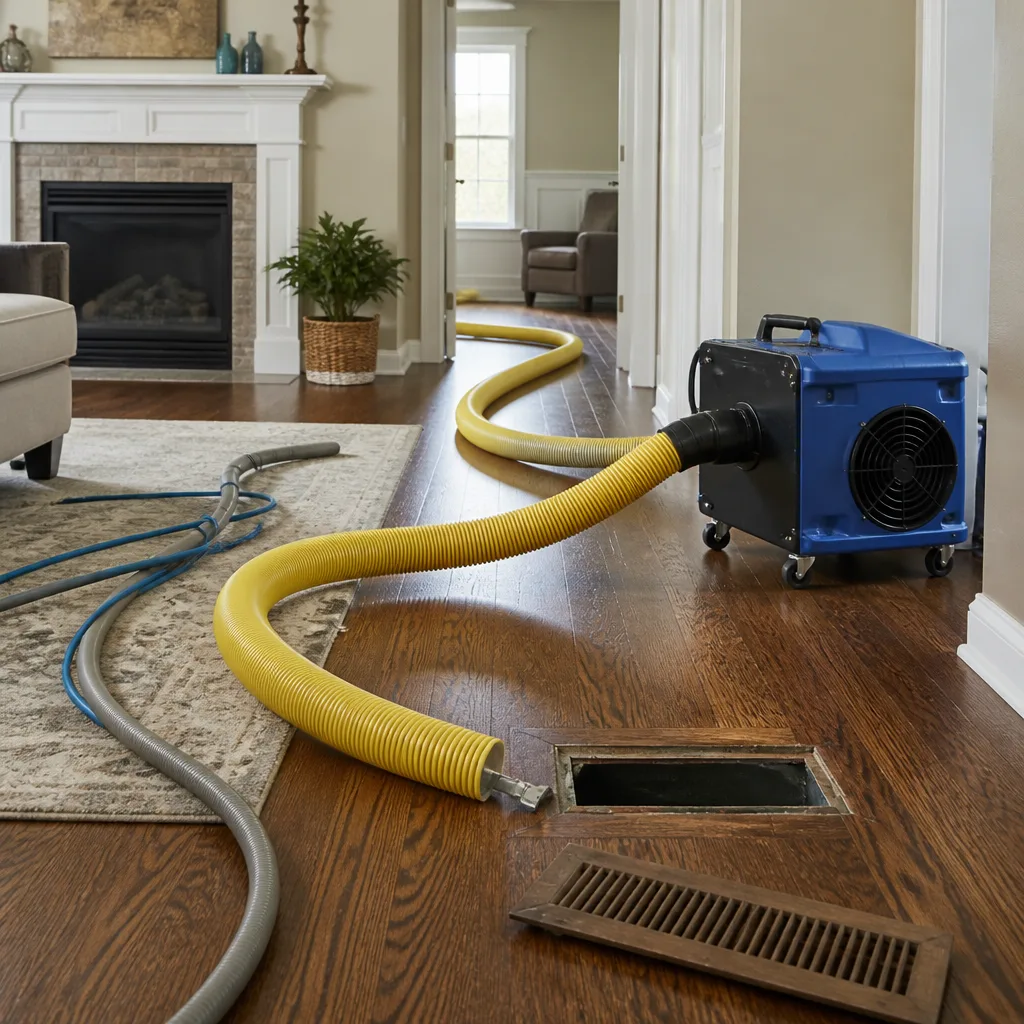
 Dryer vent cleaning
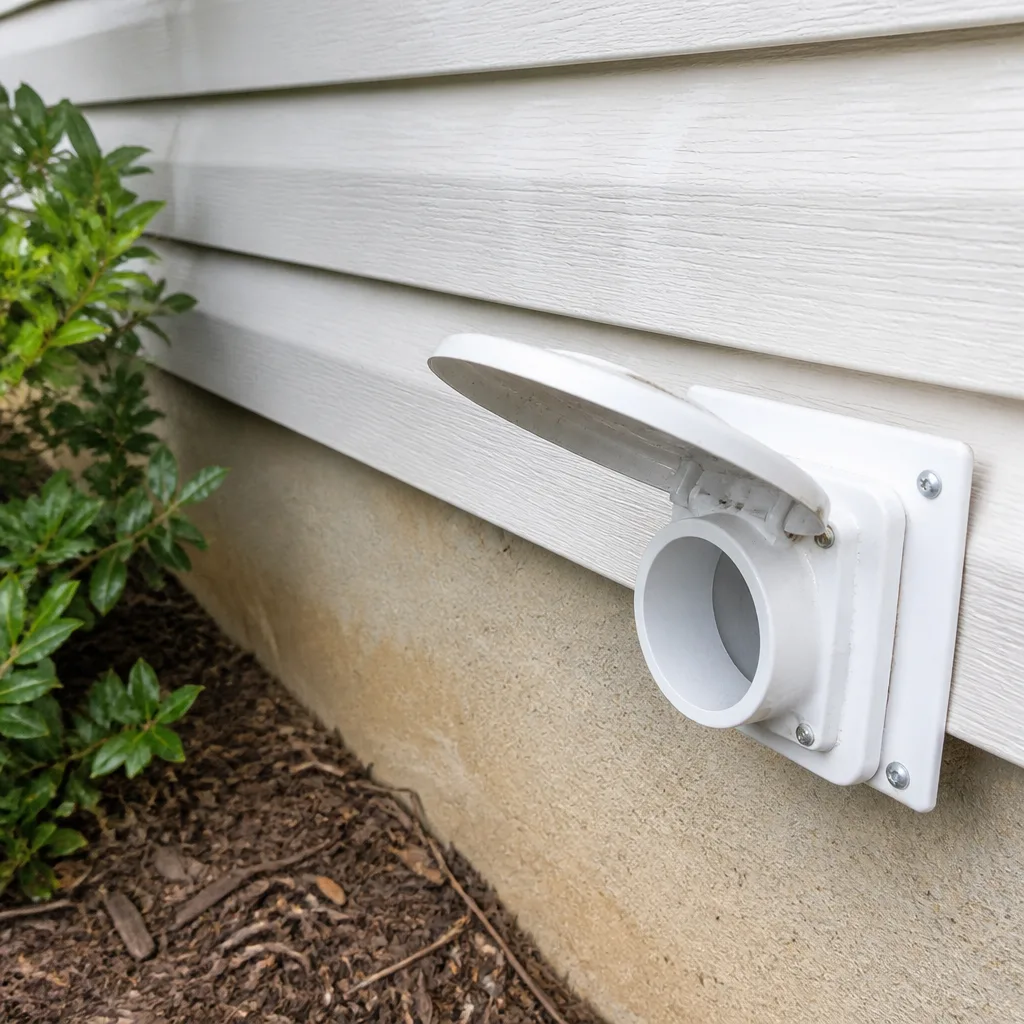
 Camera inspection
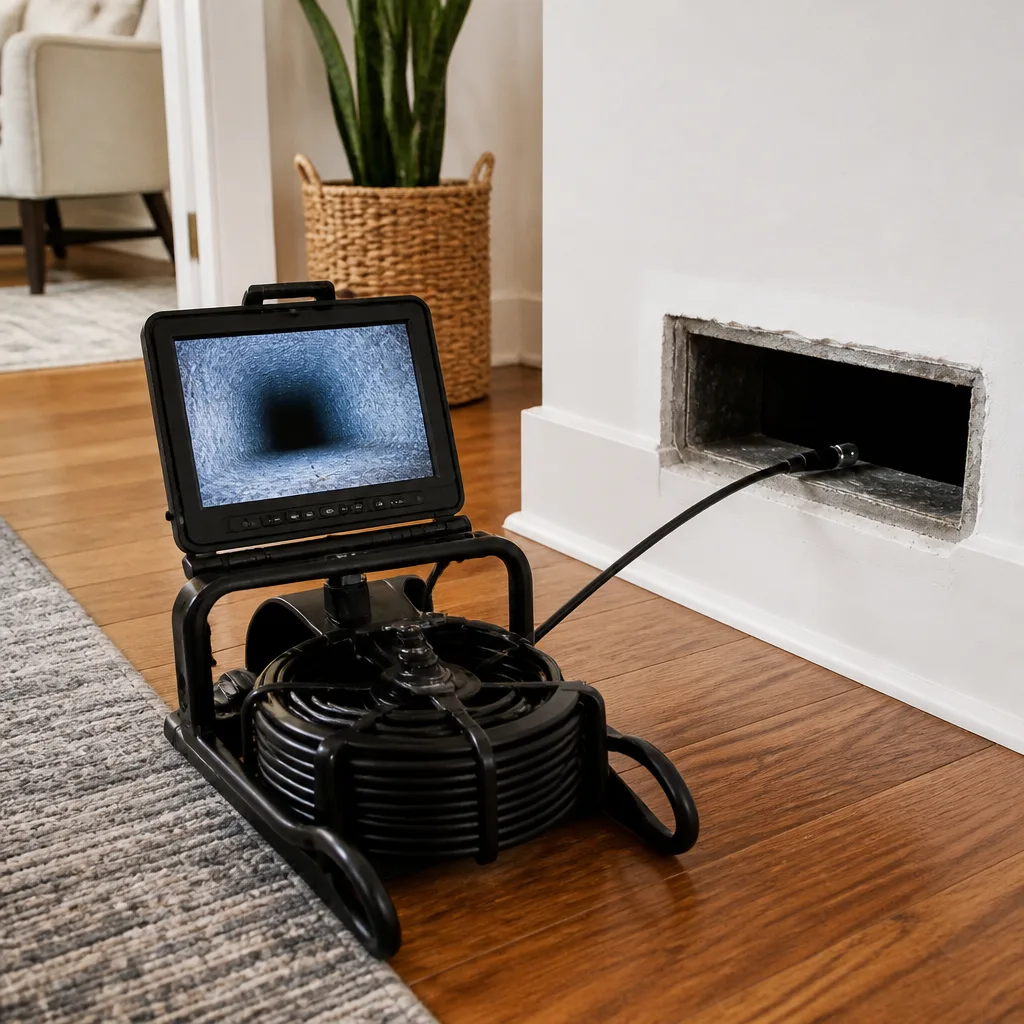
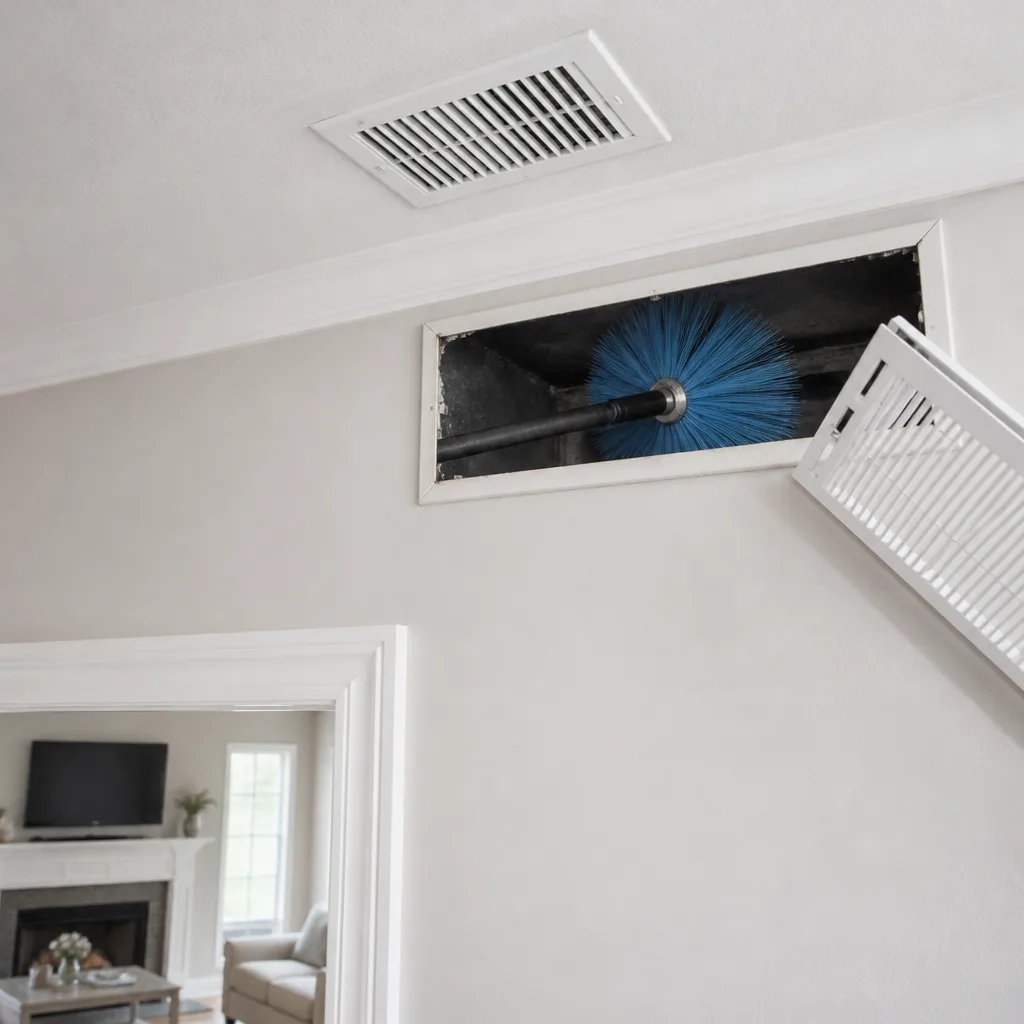 Sanitizing & deodorizing
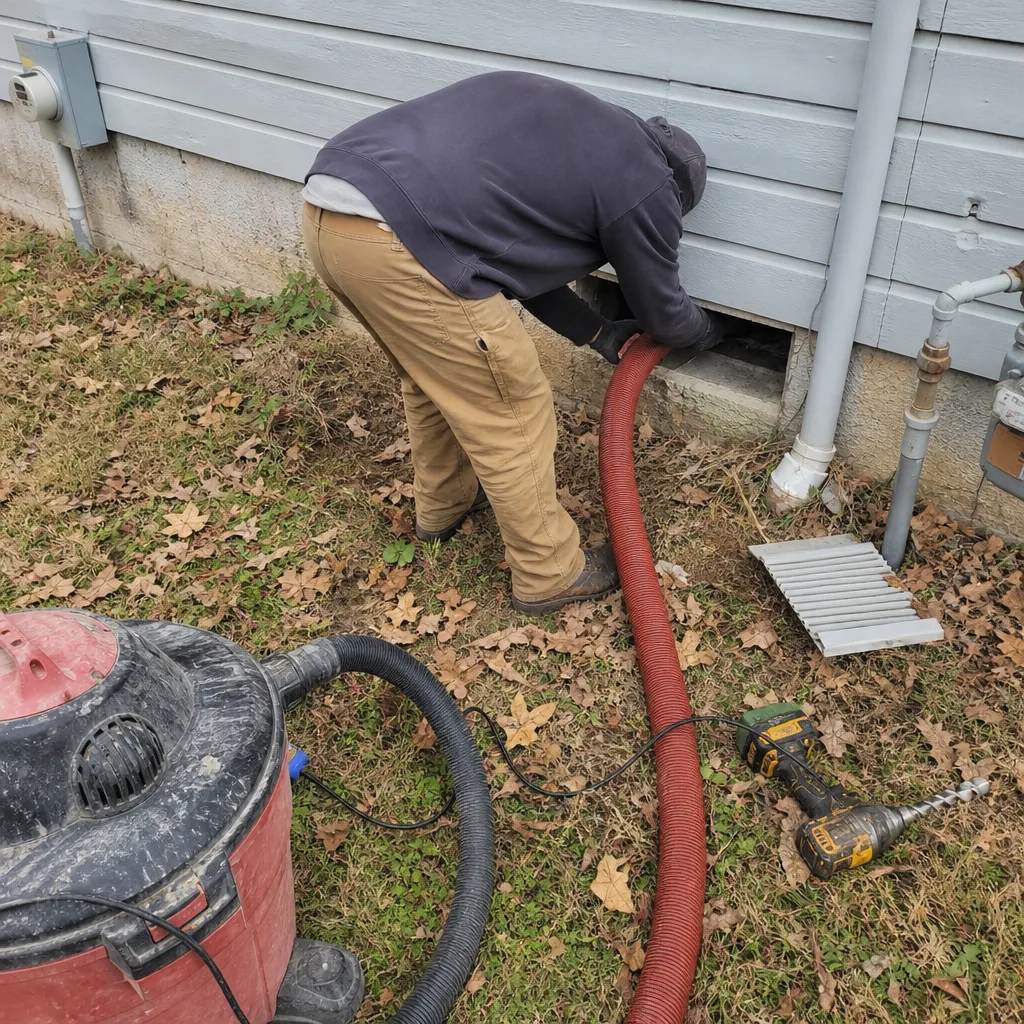
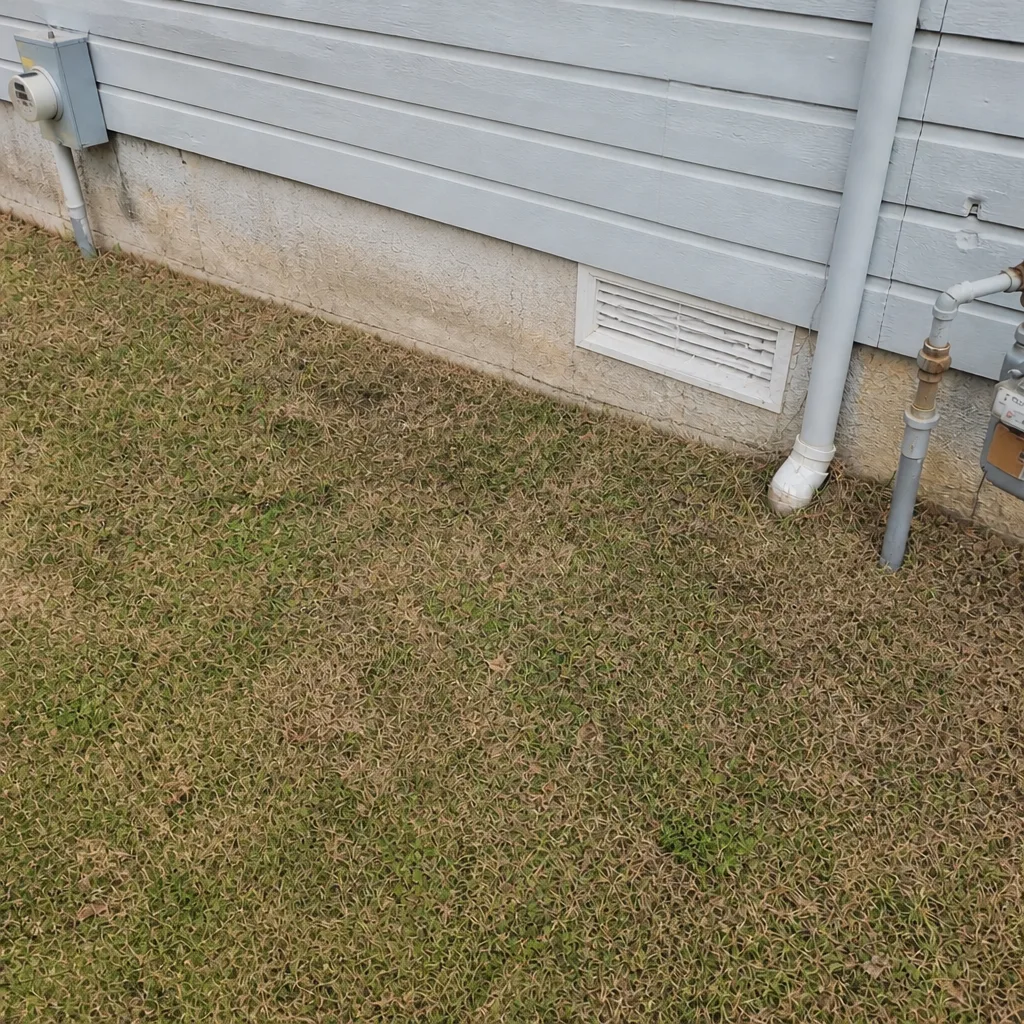
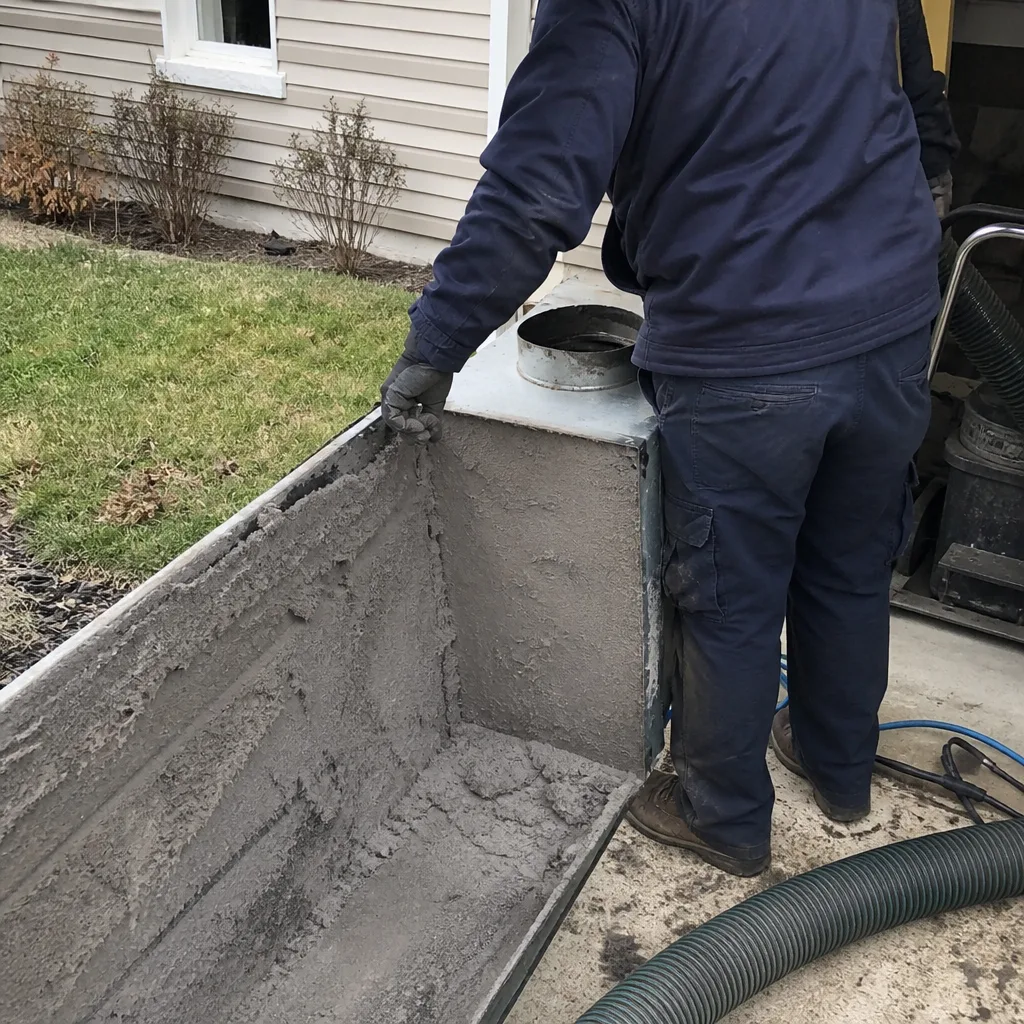
Whole-system duct and dryer vent check with before-and-after photos - you see exactly what came out of your vents
That "$99 whole-house special" is a bait ad - the real number appears once they are in your hallway, or the "clean" is a shop-vac at the register. We photograph the inside of your ducts before and after instead.
Air Duct Cleaning Emergency Preparedness Guide for Bellevue Homes
Most homeowners think of duct contamination as a slow, invisible problem: dust that builds up season after season. The reality is more abrupt. After a major water, fire, or wind event, a home’s duct system can turn into the distribution network for the very contamination the disaster left behind. In Bellevue, where summer storms roll through hard and flood damage is a real risk, this gap in planning catches people off guard. This guide covers the three emergency scenarios that demand immediate duct evaluation, what the actual post-event protocol looks like, how insurance documentation works, and what to document now, before anything happens.
Quick Answer
After any flood, fire, or tornado event in Bellevue, a home’s duct system needs a professional evaluation before it runs again. If water reached the air handler or any duct run, the system should be locked out until a technician inspects and clears it. If smoke entered the home, running the HVAC pushes residue through every room. Document the system now, before an emergency, so an insurance claim and a cleaning crew can move fast when it counts.
Styles & brands we work with
- Whole-home duct cleaning
- Dryer vent cleaning
- Camera inspection
- Sanitizing & deodorizing
Table of Contents
- The Three Emergency Scenarios That Require Immediate Duct Evaluation
- Post-Flood Duct Protocol: Run or Lock Out?
- Smoke and Fire Residue: Why Running the System Makes It Worse
- Post-Storm Debris and Compromised Building Envelopes
- Insurance Documentation: What Adjusters Actually Need
- Pre-Event Preparedness Checklist for Bellevue Homeowners
- What a Full Emergency Duct Cleaning Involves
- How to Decide Whether to Clean, Repair, or Replace
The Three Emergency Scenarios That Require Immediate Duct Evaluation
Not every storm requires a duct inspection. Three specific events do, and they overlap less than people assume. Each one introduces a different type of contamination into the system, which means each one gets handled differently.
Scenario one: water intrusion. Any flooding that reaches the HVAC equipment or the ducts themselves counts. In Bellevue, crawl space air handlers are common, and those sit lower than the living space. When a storm pushes water into a crawl space, the air handler can be surrounded by moisture even when the floors upstairs look dry. Water doesn’t need to pour through a register for the system to be compromised; moisture wicking into duct insulation or sitting inside a low return is enough.
Scenario two: fire or smoke events. Even a fire that stays in one room sends smoke through the entire duct network the moment the HVAC fan runs. Smoke residue carries fine particulate that settles on duct walls, coils, and the blower. This is a distinct problem from water and requires a different cleaning approach.
Scenario three: tornado and severe wind events. When wind damages a roof, breaks a window, or opens a wall, the building envelope is compromised. Debris, insulation fibers, and outdoor particulate get pulled into the home, and often straight into the return ducts. Once the envelope is repaired, the duct system still holds whatever came in.
Any of these three events in Bellevue warrants a call before the system runs again. The cost of an evaluation is small next to the cost of circulating contaminated air for weeks.
Post-Flood Duct Protocol: Run or Lock Out?
The single most important rule after a flood: if water may have reached the air handler or any duct run, lock the system out. Don’t run the fan to “dry things out.” A running system pulls humid, contaminated air through every duct and pushes it into living spaces. Locking the breaker for the HVAC equipment prevents that.
Here’s how a technician evaluates a flooded system before clearing it for operation:
- Locate the water line. The technician finds the highest visible watermark on the air handler, plenum, and any accessible duct. If the waterline is above the blower or any electrical component, the equipment is evaluated for replacement, not just cleaning.
- Inspect the low-mounted returns. In Bellevue homes with crawl space or basement returns, those ducts sit closest to floodwater. The technician opens access points and checks for standing water, saturated insulation, and silt.
- Check duct insulation and flex duct. Lined flex duct that took on water is generally not salvageable. Wet insulation holds moisture and becomes a growth medium. The technician identifies which runs need replacement and which can be cleaned.
- Assess the air handler and coil. The blower wheel, coil, and cabinet interior get inspected for silt and corrosion. Electrical components that were submerged are treated as unsafe until evaluated.
- Confirm the system is dry and clean before restart. Only after cleaning, sanitizing, and verifying that duct interiors are dry does the technician clear the system for operation.
If the flood was nearby but the waterline stayed below the equipment, the system may still need cleaning because humid air and silt entered through the returns. A technician makes that call, not a homeowner guessing from the driveway.
Smoke and Fire Residue: Why Running the System Makes It Worse
After a fire, the instinct is to turn on the HVAC to clear the air. That’s the wrong move. Smoke residue contains fine particulate and combustion byproducts, and running the fan distributes them through every duct and into rooms that never saw the fire. The air smells worse, the residue spreads, and the eventual cleaning job gets bigger.
A proper post-fire duct restoration goes well past standard cleaning. Here’s what it involves:
- Sealing off the HVAC system so it can’t move air during the rest of the remediation.
- Mechanical cleaning of every duct run with rotary equipment, not just a vacuum at the registers.
- Cleaning the air handler, blower, and evaporator coil, where smoke residue collects and then re-enters the airstream.
- Sanitizing duct interiors to address residual odor and biological contamination that follows smoke and water used in firefighting.
- HEPA-level filtration and negative-air containment during the job, so cleaning doesn’t push soot into the rest of the home. This is where remediation-grade equipment matters. We use Abatement Technologies HEPA and negative-air tools, the same class of equipment used in commercial restoration work.
- Replacing the filter after cleaning, never before the ducts are clean.
If a fire in Bellevue affected any part of the home, the duct system needs evaluation even if the fire never touched it directly. Smoke travels.
Post-Storm Debris and Compromised Building Envelopes
Tornado and severe wind events introduce a different problem than water or fire. When wind opens a roof, breaks glass, or tears siding, the home’s pressure balance changes. Outdoor air, insulation fibers, and debris rush in, and the HVAC system often pulls that material directly into the return side.
In Bellevue, summer storm patterns regularly bring high winds and hail-adjacent damage. (Hail itself is uncommon here, so when wind damage shows up, it’s usually from debris and pressure rather than impact.) After the roof is tarped and the windows are boarded, the ducts may still be holding insulation, glass dust, and fine outdoor particulate.
A technician evaluating a post-storm system checks for:
- Debris and insulation fibers lodged in return ducts and at the air handler.
- Crushed or disconnected flex duct caused by pressure changes or debris impact.
- Loose joints and gaps where the envelope breach allowed dirty air in.
- Damaged or missing return grilles that let material past the filter.
Duct repair and sealing often come up here. If a run was crushed or a joint separated, cleaning alone won’t fix it. We repair what we find on the same visit, so the system is sealed and clean before it goes back into service. That matters in Bellevue homes where a compromised envelope and a compromised duct system can compound each other.
Insurance Documentation: What Adjusters Actually Need
Homeowners often assume the adjuster will simply “see the damage.” Insurance claims for duct remediation move faster and settle cleaner when the documentation is specific. Before any cleaning starts, the following should be captured:
- Photographs of the waterline or damage. Photograph the air handler, plenum, and every accessible duct opening. Include a tape measure or reference object in the frame so the waterline height is clear.
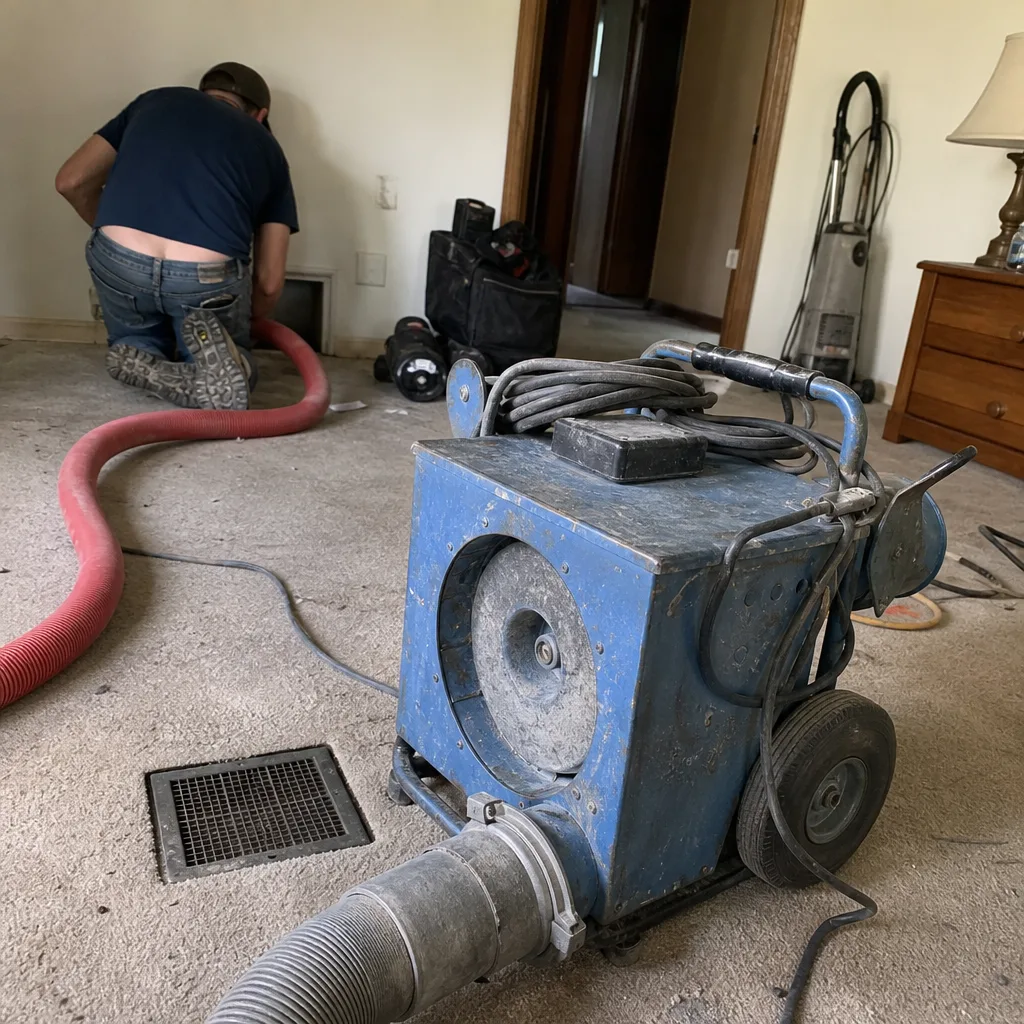
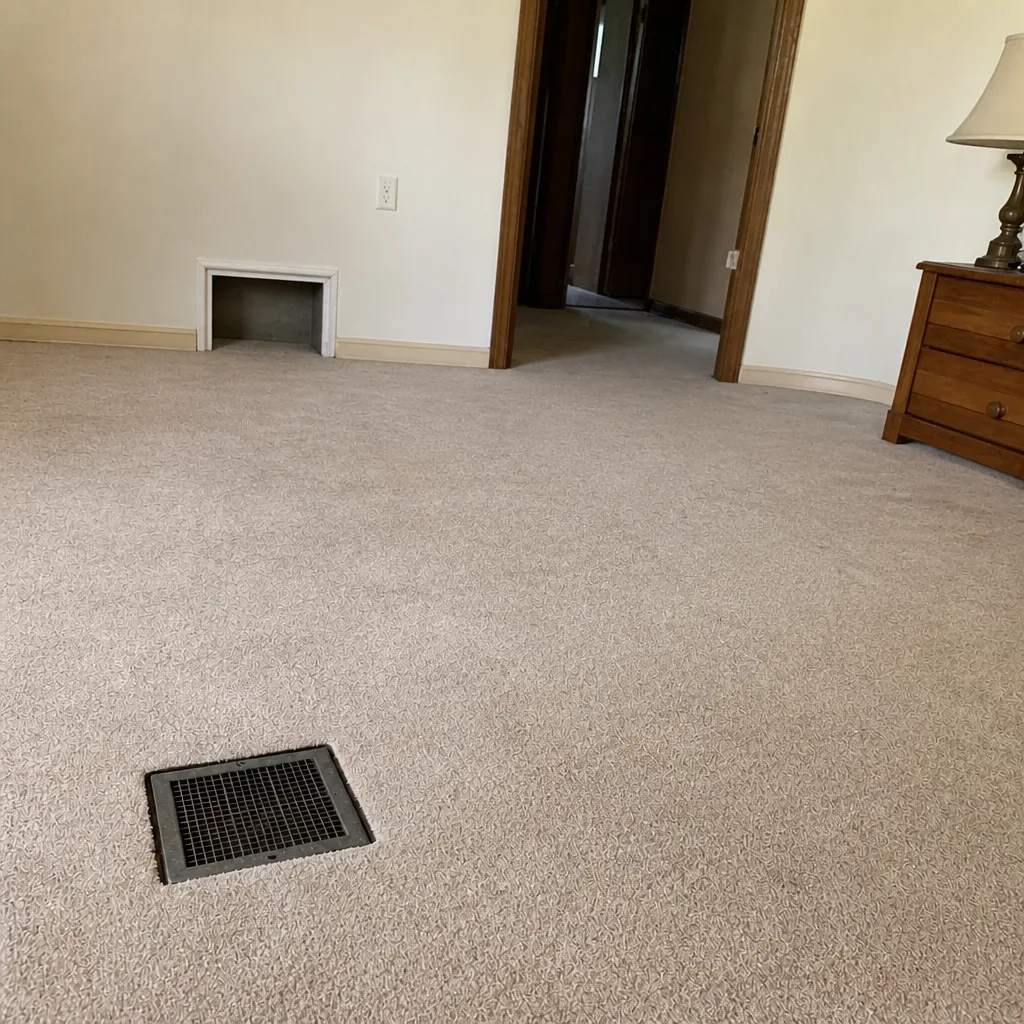
- Photos of duct interiors before cleaning. A technician can capture pre-cleaning images inside the ducts. Before-and-after photos of the system are the strongest evidence that the cleaning was necessary and complete.
- A written technician report. This should describe what was found, which components were affected, and what remediation was performed or recommended. A report that names components (air handler, return duct, flex run) is far more useful than a generic invoice.
- Equipment and brand documentation. If the system includes a whole-home air quality component, such as an Aprilaire or Honeywell filtration or humidity unit, note it. Adjusters need to know the cleaning or repair touched that equipment too.
- Post-cleaning verification. After-cleaning photos and a final report close the loop. Some insurers ask for confirmation that the system is clean and safe to operate.
This is why the pre-event checklist matters. If you already have photos of the system in good condition, the adjuster can compare before and after, which is far easier than reconstructing the original state from memory. Ask your technician for a documented report; a company that provides before-and-after photos and a written summary is a company that’s set up for claims work.
Pre-Event Preparedness Checklist for Bellevue Homeowners
The best time to prepare for a duct emergency is before one happens. In Bellevue, where storms arrive with little warning, a homeowner who already has documentation can move faster and support a cleaner insurance claim. Here’s what to gather now:
- Photograph the air handler and furnace. Get wide shots and close-ups of the model and serial labels, and note the location.
- Map the duct layout. Sketch where the main trunk runs, where the returns are, and which ducts serve which rooms. Even a rough sketch on a phone photo works.
- Record the last service date. Note when the ducts were last cleaned and keep the receipt or report.
- Photograph each register and return grille. This creates a visual baseline. If a grille is damaged in a storm, you have a record of its original condition.
- Note whole-home air quality equipment. If you have an Aprilaire or Honeywell filtration or humidity system, record the model. It’s part of the system and part of any claim.
- List the HVAC equipment age and brand. Do this without guessing. Check the label.
- Keep a digital folder. Store it in cloud storage so it’s available if the home is inaccessible.
This takes about twenty minutes. It saves hours during a stressful week. Our technicians have up to 11 years of experience and know how much documentation helps when a claim is in motion.
What a Full Emergency Duct Cleaning Involves
An emergency duct cleaning after a flood, fire, or storm isn’t the same as routine maintenance. It’s a controlled process designed to remove contamination without spreading it. Here’s what a thorough job includes:
- Containment setup. Negative-air equipment and HEPA filtration keep particulate from escaping into living spaces during the work. We use Abatement Technologies equipment, which is remediation-grade rather than consumer-grade.
- Mechanical cleaning of every run. Rotary brushing and high-powered vacuum from professional systems. Rotobrush and Nikro are the equipment classes we work with, the same systems commercial contractors rely on. Consumer shop vacs can’t move air at the volumes needed for a contaminated system.
- Air handler and coil cleaning. The blower, coil, and cabinet interior are cleaned and inspected. This is often where smoke and silt concentrate.
- Sanitizing. After mechanical cleaning, duct interiors are treated to address residual odor and biological growth that follows water intrusion.
- Repair and sealing. Any crushed flex duct, disconnected joint, or gap gets repaired and sealed. We repair what we find, so the system is sealed when it goes back into service.
- Verification and documentation. Post-cleaning photos and a written report confirm the work and support any insurance claim.
This full-system approach covers the whole air system, not just the visible vents. If you’re comparing quotes, ask whether the air handler and coil are included, whether the company uses containment, and whether they can repair and seal the ducts rather than just cleaning them. Those three answers separate a real emergency cleanup from a quick pass.
How to Decide Whether to Clean, Repair, or Replace
Not every flood-damaged duct system needs replacement, and not every one can be cleaned. The decision comes down to what got wet and how much. Here’s a simple way to think about it, with the caveat that a technician makes the final call after inspection:
- Clean: ductwork stayed above the waterline but the system took in humid, dirty air through the returns. Cleaning plus sanitizing is usually enough.
- Repair and seal: ductwork is intact but has crushed sections, disconnected joints, or damaged grilles from storm debris. Clean, then repair and seal.
- Replace: flex duct or insulated duct that took on water and cannot be dried, or equipment that was submerged above the blower. Wet insulation doesn’t come back.
In Bellevue, crawl space returns and low-mounted air handlers are the components most often in the flood zone, which pushes more decisions toward repair or replacement than homeowners expect. The key is not to run the system until a technician has inspected it. After that, the plan is usually clear.
Common Mistakes to Avoid
- Running the HVAC to “dry out” a flooded system. This pushes contaminated air through every duct. Lock it out and call for evaluation instead.
- Firing up the system after a fire to clear the smell. Smoke residue gets distributed to rooms that never burned. Seal the system and let a technician handle it.
- Assuming the ducts are fine because the registers look clean. Contamination sits inside the runs and at the air handler, not at the grille. In Bellevue’s crawl space and basement setups, the most affected ducts are often the hardest to see.
- Skipping documentation before cleaning. Adjusters need photos and a written report from before the work starts. Once the ducts are clean, the evidence is gone.
- Hiring a cleaning-only crew for a remediation job. Post-flood and post-fire work needs containment, sanitizing, and repair capability. A crew that can only vacuum won’t fix a crushed duct or a saturated run.
- Waiting weeks to call. Moisture and smoke residue settle in. The longer a contaminated system sits, the bigger the eventual job.
- Ignoring the dryer vent after a storm. Wind and water can crush or disconnect a dryer vent line. That’s a fire risk and should be checked along with the ducts. Our dryer vent cleaning covers that inspection.
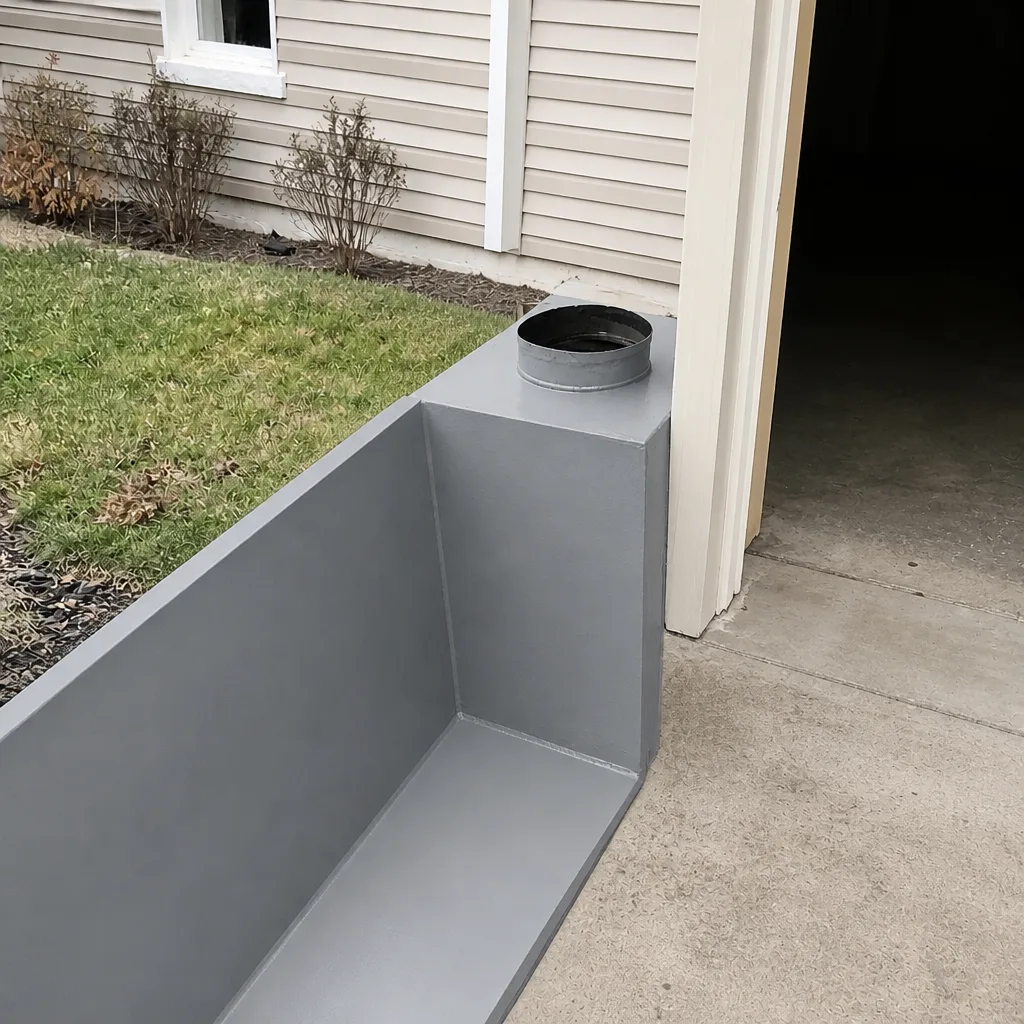
See the difference
 Before
 After
 Before
 After
 Before
 After
When to Call a Professional
Call a professional after any flood, fire, or severe wind event that touched the home, especially if water reached the air handler or any low-mounted return. Call if the system smells like smoke after a fire, if a room won’t clear of dust after storm damage, or if a duct run is visibly crushed or disconnected. If your Bellevue home has whole-home air quality equipment from Aprilaire or Honeywell, include it in the assessment. A routine HVAC cleaning evaluation can also catch storm damage before it becomes a bigger problem.
Air Duct Cleaning Bellevue offers free estimates in Bellevue. Call (877) 560-9584. We answer 24/7. Fast dispatch from 7am to 7pm, Sunday through Friday. We use professional-grade Rotobrush and Nikro equipment, and we can repair and seal any duct issue we find on the same visit.
Frequently Asked Questions
As soon as possible, and before the HVAC system runs. If the system is locked out and the ducts haven’t moved air, the contamination stays contained. Call for an evaluation first, then schedule cleaning. Call (877) 560-9584 for an exact quote; estimates are free.
Emergency duct cleaning after a flood or fire typically runs more than routine maintenance because it includes containment, sanitizing, and often repair. We set one flat price per system based on a written estimate before work starts, never a per-vent price. Call (877) 560-9584 for an exact quote – estimates are free.
Cheaper quotes usually skip containment, skip the air handler and coil, or use consumer-grade equipment that can’t move enough air to clean a contaminated system. For post-flood or post-fire work, those shortcuts leave contamination behind. Ask what’s included before you compare price. Call (877) 560-9584 to talk through the scope.
Ask for before-and-after photos of your own ducts and a written technician report. A company that documents the pre-cleaning condition and the post-cleaning result has nothing to hide. We provide both on every emergency job.
No. A filter catches some particulate but does nothing about smoke residue, silt, or moisture inside the ducts, and running the fan spreads them further. The system should stay locked out until a technician evaluates and cleans it.
Many policies cover duct remediation after a covered event like a flood or fire, but the documentation matters. Photos, a written report, and pre-cleaning evidence make the claim stronger. Ask your insurer, and keep the technician’s report with your claim file. Call (877) 560-9584 if you need a documented assessment.
The Bottom Line
After a flood, fire, or severe wind event in Bellevue, the duct system is often the part of the home nobody thinks to check. Three rules carry the whole guide: lock out the system if water reached the air handler or low returns, don’t run the HVAC after a fire, and document the system before and after cleaning. Gather your pre-event photos and layout now, while the home is dry. When a storm hits, that folder is the difference between a clean insurance claim and a messy one. We handle air duct cleaning with professional-grade equipment and can repair what we find. For a full-system evaluation, see what air duct cleaning in Bellevue covers.
To book a free estimate, call (877) 560-9584. We answer 24/7. Fast dispatch from 7am to 7pm, Sunday through Friday.
Written by the team at Air Duct Cleaning Bellevue.